
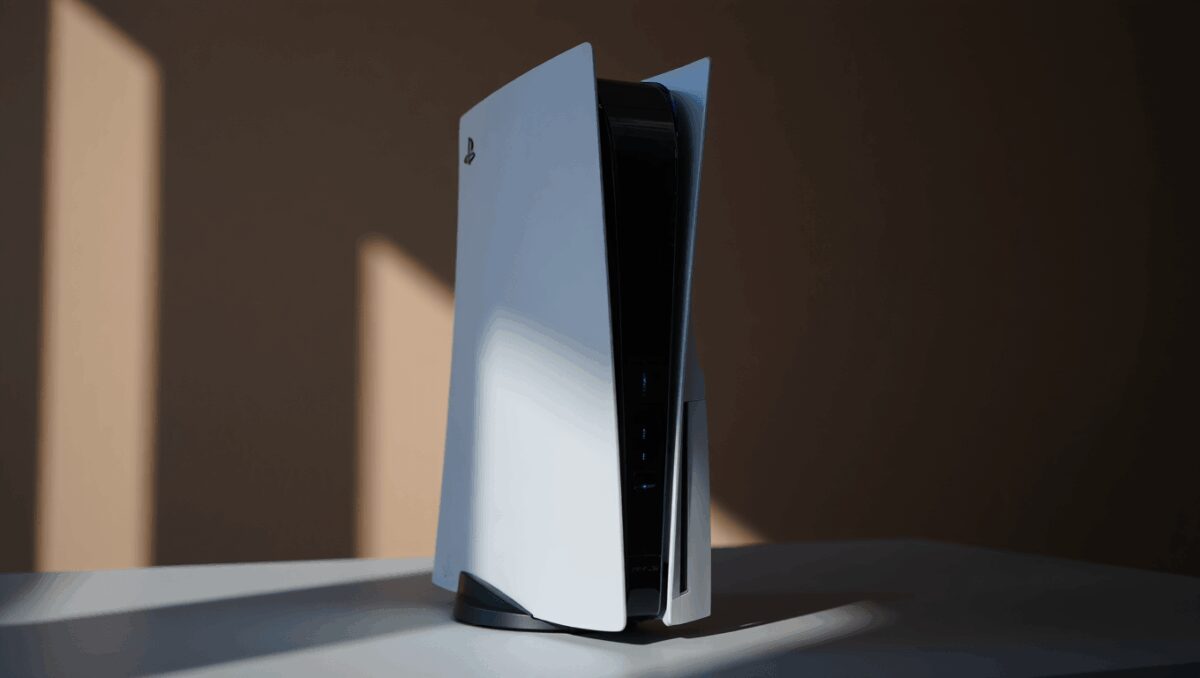
Sony has raised the price of every PlayStation 5 model worldwide, a move that takes effect April 2, 2026, and immediately alters the cost of entry for console buyers. The company says the increases respond to broader economic pressures, leaving gamers and gift shoppers to weigh whether to buy before the new prices arrive.
Xbox leak reveals Triton details: hints at first big moves from CEO Asha Sharma
Wordle vs Parseword: weeklong trial uncovers whether the switch is worth it
Sony announced the change in a PlayStation Blog post, saying it has “made the decision to increase the prices of PS5, PS5 Pro, and PlayStation Portal remote player globally.” The update applies across major markets, including the United States, the UK, Europe and Japan.
New retail prices at a glance
Below are the updated suggested retail prices Sony has published. Prices shown include the absolute increases compared with the previous tags.
| Region | PS5 (Disc) | PS5 Digital | PS5 Pro |
|---|---|---|---|
| United States | $649.99 (+$100) | $599.99 (+$100) | $899.99 (+$150) |
| United Kingdom | £569.99 (+£90) | £519.99 (+£90) | £789.99 (+£90) |
| Europe | €649.99 (+€100) | €599.99 (+€100) | €899.99 (+€100) |
| Japan | ¥97,980 (+¥18,000) | ¥89,980 (+¥17,000) | ¥137,980 (+¥18,000) |
Quick summary for U.S. buyers
- PS5 Disc: rises to $649.99 — a $100 jump.
- PS5 Digital Edition: now $599.99 — up $100.
- PS5 Pro: climbs to $899.99 — the biggest increase at $150.
The last major price adjustment for PlayStation in the U.S. came in August 2025; the latest change pushes some five-year-old hardware above its original launch price. For example, the Pro model — introduced at a premium — is now markedly more expensive than when it first arrived.
Why Sony says prices are going up
Sony attributes the move to “continued pressures in the global economic landscape.” That phrase covers a range of industry headwinds commonly cited by hardware makers: rising component and logistics costs, tariffs and currency shifts.
Although the company did not itemize every cause, these kinds of factors can push manufacturers to adjust retail prices when margins are squeezed. The change illustrates how volatile global markets can filter down to shoppers in the form of higher hardware bills.
What this means for the next console cycle
Higher current-generation prices complicate forecasts for the next wave of consoles. If component and tariff pressures persist, manufacturers may either raise launch prices or delay new hardware until conditions improve.
Analysts have already speculated about timing for next-generation systems; a typical cycle might point to a 2027 debut. But the present environment makes both the timing and likely retail positioning of successor consoles less predictable.
Practical takeaways
For anyone planning to buy a PlayStation in the near term, the April 2 effective date is the immediate inflection point. Prices will be higher after that date at suggested retail pricing from Sony.
Longer term, the shift highlights a broader reality: static or falling prices for older consoles can no longer be assumed. Industrywide cost pressures have started to reverse that trend.
We will continue to monitor official updates from Sony and report any changes to availability or further regional adjustments as they happen.

Annabelle Ink is a gaming journalist and lifelong gamer who lives and breathes video game culture. From console releases to esports tournaments, this dedicated journalist brings insider knowledge and genuine enthusiasm to every review and feature. Her expertise spans multiple gaming platforms, helping readers discover their next favorite game while staying connected to the pulse of the gaming industry.