
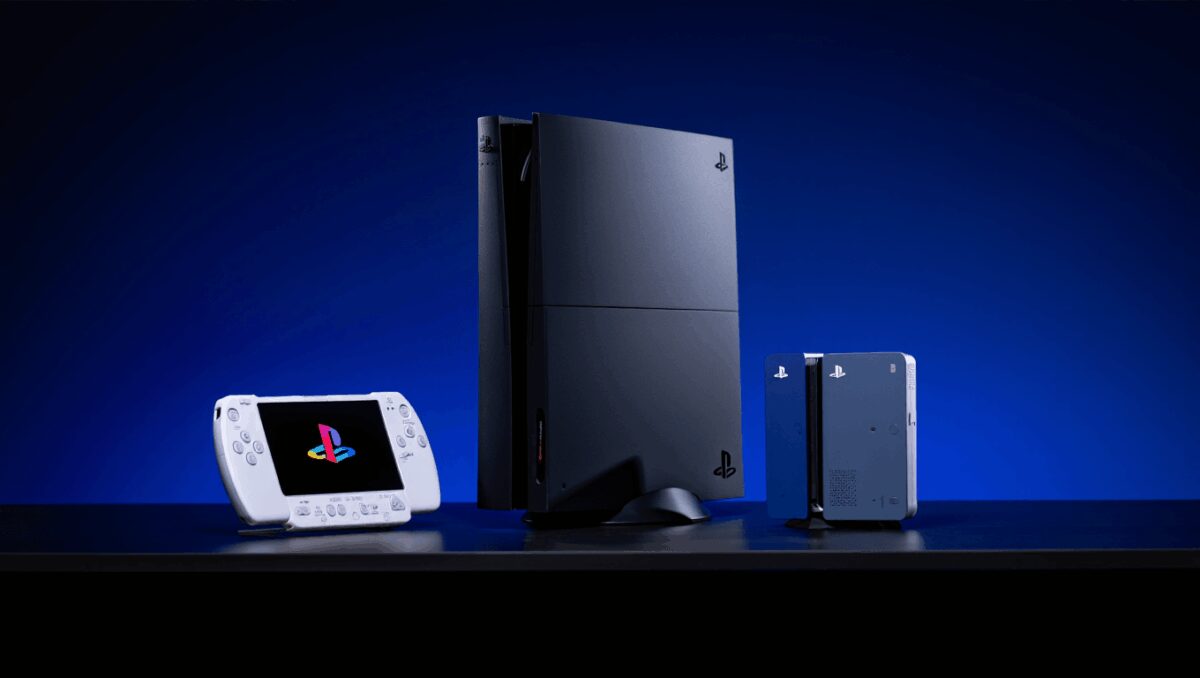
Sony may be planning a three-pronged PlayStation 6 family that stretches from a budget model to a full-power flagship — and one of those could be a portable console. New estimates from a high-profile hardware leaker suggest this lineup would use two different AMD chip designs and span a wide price range, potentially reshaping how players choose their next PlayStation.
Starfield on PS5 Pro: hands-on shows the sci-fi RPG is better than critics claim
Clair Obscur Expedition 33 soundtrack still reigns over game music: live set sealed the deal
Those price and hardware details come from the YouTube channel Moore’s Law Is Dead, which attempted to translate suspected component choices and tariff scenarios into retail figures. The claims remain unconfirmed by Sony, but they point to the key trade-offs gamers should watch for: performance, price, and portability.
What the leak outlines
The tipster describes three distinct PlayStation 6 SKUs. Two would run on a mid-tier AMD design called Canis, while the flagship would use a higher-end AMD chip dubbed Orion. In the leaker’s view, the Canis-based systems will sit below the Orion model in raw power but still outperform current lower-end consoles.
Doomscrolling: a calming online hobby slashed my stress
Handheld gaming consoles 2026: which models are worth buying now
MLID’s rough retail estimates — built from component-cost calculations and assumptions about tariffs and memory prices — place the range between roughly $349 and $1,000. The leaker factors in scenarios both with and without an assumed 30% tariff impact, and notes that volatile RAM costs could sway final pricing when Sony buys parts.
| Model | Chip (reported) | Estimated retail range |
|---|---|---|
| PS6 S (Lite) | Canis | $349 – $549 |
| PS6 handheld | Canis | $499 – $699 |
| PS6 (full) | Orion | $699 – $999 |
The leaker also suggests the Orion-powered flagship could arrive in two flavors — a disc-equipped model and a digital-only unit — echoing the PS5’s early split. Another possibility floated is that Sony might move to a detachable disc-drive accessory rather than shipping a disc variant as standard.
Why this matters now
Console launches are influenced by more than silicon. Rising memory prices, global supply-chain pressures and trade tariffs can all push retail tags higher. For consumers deciding whether to upgrade, those economic factors will be as important as raw performance.
Sony’s current-generation pricing has shifted upward since launch, and any next-gen lineup could show similar volatility depending on component markets. For buyers, that means waiting for final specs and confirmed prices could pay off — or result in higher-than-expected outlays if shortages or tariffs persist.
For developers and publishers, a multi-tier PlayStation family would widen the addressable market but also complicate optimization: titles may need to scale across a handheld, a budget home console and a high-end system with different GPU and CPU capabilities.
Technical context and timeline
Previous leak fragments and public comments hint that the Canis design aims to sit between current entry-level consoles and the base PS5 in performance. The Orion chip is described as the higher-performance option for the primary PS6 unit.
Sony has so far been cautious about timelines, but company engineers have told partners they are exploring more efficient ray- and path-tracing approaches that reduce GPU load and power draw. Senior Sony architect Mark Cerny has indicated next-generation hardware is still several years out, and that work on compression and dedicated neural hardware could change how assets are delivered to the GPU.
- Projected launch window commonly discussed by industry sources: 2027 (some speculation extends to 2028).
- Main uncertainties: RAM pricing, tariff policies, and final decisions about disc drives.
- Potential upside for consumers: a true portable PlayStation and smaller, more efficient main units.
Until Sony provides official specifications and pricing, leaked figures should be treated as informed conjecture rather than fact. Still, the scenario sketched by MLID frames the key choices ahead: will Sony prioritize a flexible family of devices for different budgets, or concentrate power into a single flagship? Those answers will shape the market and buyers’ options when the next generation arrives.

Annabelle Ink is a gaming journalist and lifelong gamer who lives and breathes video game culture. From console releases to esports tournaments, this dedicated journalist brings insider knowledge and genuine enthusiasm to every review and feature. Her expertise spans multiple gaming platforms, helping readers discover their next favorite game while staying connected to the pulse of the gaming industry.