
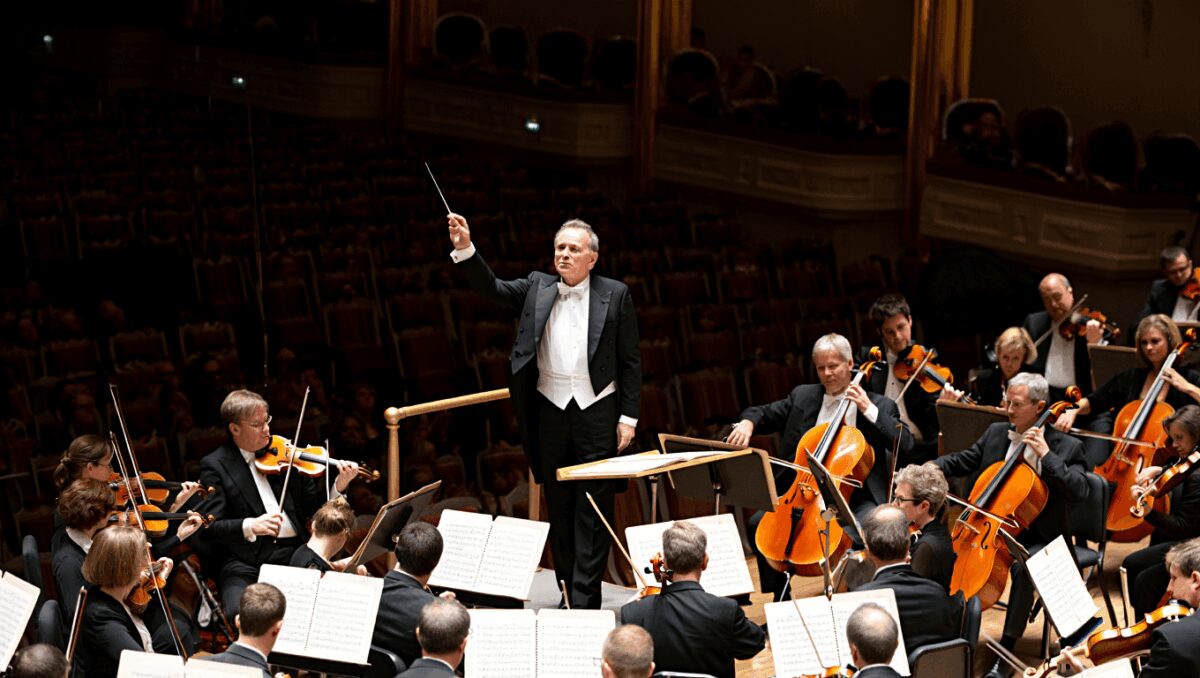
Tickets for “A Painted Symphony” — a live concert built around the score of Expedition 33 — disappeared almost as soon as they went on sale, underlining how quickly video game music is moving from niche to mainstream. I attended the recent London performance and left convinced that game soundtracks now shape how players experience and return to games.
Doomscrolling: a calming online hobby slashed my stress
Handheld gaming consoles 2026: which models are worth buying now
The concert ran roughly two hours and felt less like a promotional event and more like a theatrical premiere: full orchestra, a guitarist who doubled as a spotlighted soloist, and the record‑clean vocal presence of Alice Duport‑Percier. The audience reaction made one thing clear — for many fans, the soundtrack is as central to the game’s identity as its story or mechanics.
Why the score matters
Expedition 33’s soundtrack functions on multiple levels: it scores scenes, telegraphs gameplay cues and, in places, carries narrative spoilers. That dual role—both atmospheric and mechanical—means the music doesn’t just accompany the game; it helps shape how players act and feel in crucial moments. Hearing those cues live reframes familiar encounters and made me want to replay the game with fresh ears.
Life is Strange Reunion embraces nostalgia: new entry wins longtime fans
Microsoft challenges: test your PC skills and level up your Windows know-how
The album runs for nearly ten hours and blends genres—neoclassical passages shift into aggressive rock or sudden jazz flourishes—so the live arrangements leaned into that diversity. When a quiet vocal passage swelled into distorted guitars, the room reacted the way players do at a shocking game beat: stunned silence, then a collective intake of breath.
A few standout moments
Three elements of the show stuck with me: the precision of the orchestral arrangements, the dramatic use of lighting as a narrative device, and the way vocals were staged as a focal character rather than a background texture. Little theatrical touches—lamps pulsing in time with a theme, the distinctive sound of an on‑stage prop—transported listeners straight back into the game’s confrontations.
| Track | Live arrangement | In‑game significance |
|---|---|---|
| Maelle | Haunting vocal centerpiece with sparse strings | Menu/theme music that instantly sets the game’s tone |
| Une vie à t’aimer | Full band and choir, sudden shift into heavy riffs | Plays over a pivotal boss fight—surprising contrast that amplifies impact |
| Lampmaster’s Theme | Percussion and lighting cues synchronized to musical hits | Echoes a boss mechanic where lights and timing matter for parrying |
| Monoco / In Lumière’s Name | Saxophone and playful motifs, crowd‑pleasing tempo | Underscores the game’s more whimsical, comedic encounters |
The concert highlighted a deeper point: modern game scores are collaborative, human creations. Composer Lorien Testard, vocalist Alice Duport‑Percier and the CURIEUX orchestra translated studio tracks into a live narrative, and that labor was obvious in every bar.
Melancholy and mechanics
One of the show’s recurring themes was how the music uses sadness as a deliberate design choice. Rather than avoiding sorrow, the score leans into it—moving the audience at multiple points and using contrast to make the louder, harsher sections hit harder. That range is also a gameplay tool: audio cues teach players when to strike, when to parry, and when a scene is about to pivot emotionally.
- For players: live performances can reconnect you to a game’s moments and inspire second or third playthroughs.
- For composers and studios: concerts legitimize video game music as a craft that deserves stage treatment and critical attention.
- For the wider culture: these events help bridge the gap between gaming communities and traditional music audiences.
Audience behavior underscored the seriousness with which attendees treated the evening: no phones raised, long silences during the most fragile passages, and multiple standing ovations. The encore sequence and the applause that followed felt less like a fan ritual and more like an acknowledgment of the work’s artistic heft.
Leaving the venue I was left with two clear impressions. First, the soundtrack to Expedition 33 holds up as a standalone piece of music—ambitious, emotionally broad and technically clever. Second, seeing the orchestra and soloists perform live reinforced how much human craft underpins the games we often call “digital.”
Tonight’s plan: listen to the soundtrack again, then start another playthrough. The concert didn’t just celebrate a game; it renewed my interest in it—and that’s the most tangible effect these events can have on a player’s relationship with interactive art.

Annabelle Ink is a gaming journalist and lifelong gamer who lives and breathes video game culture. From console releases to esports tournaments, this dedicated journalist brings insider knowledge and genuine enthusiasm to every review and feature. Her expertise spans multiple gaming platforms, helping readers discover their next favorite game while staying connected to the pulse of the gaming industry.