
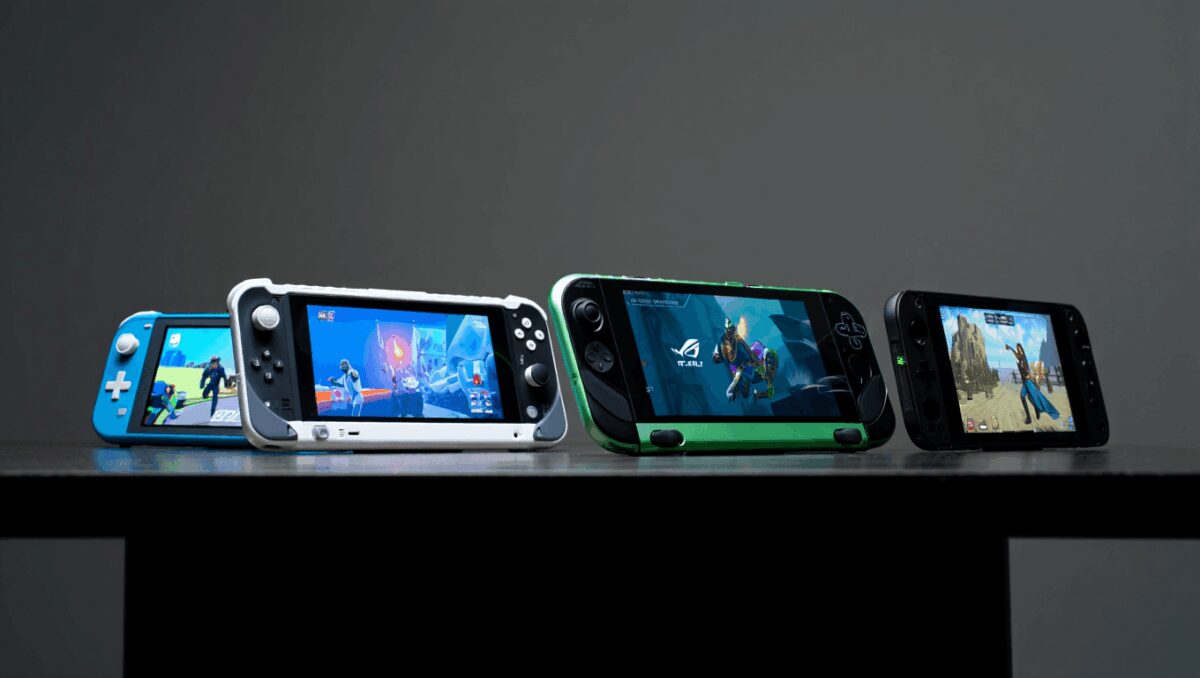
Handheld gaming has crossed a threshold: portable devices today can run demanding, modern titles with visuals and performance that would have been unthinkable only a few years ago. That leap matters now because it changes how — and where — people play: consoles, PCs and high-end handhelds are converging into one portable experience.
Life is Strange Reunion embraces nostalgia: new entry wins longtime fans
Microsoft challenges: test your PC skills and level up your Windows know-how
We tested the current crop of devices to see which ones deliver on performance, ergonomics and battery life. Below are the standout picks and what each device does best.
- Steam Deck OLED — best overall for PC gamers who want a polished, console-like experience with a top-tier screen.
- Nintendo Switch 2 — best for console players who value first-party exclusives and flexible docked/handheld modes.
- Lenovo Legion Go S (SteamOS) — the strongest SteamOS alternative to Valve’s devices, focused on usability and Steam integration.
- Asus ROG Xbox Ally X — the pick for Windows-first players seeking refined ergonomics and an Xbox-style UI on a Windows handheld.
- Asus ROG Ally — best value among Windows handhelds: solid performance for the price.
- Lenovo Legion Go 2 — a premium option with a very large OLED panel and detachable controllers for tabletop play.
Gaming open earbuds tested: do they beat over-ear headsets
Nintendo Switch retro games: 15 must-play classics and hidden gems to download now
The Steam Deck OLED — best overall
The Steam Deck OLED remains the go-to choice for people who want a true PC gaming experience in handheld form. Its headline improvement is an OLED panel that supports HDR and much deeper blacks than the original LCD, which noticeably improves image quality across a wide range of games.
Other refinements — improved cooling, Wi‑Fi 6 and a slightly lighter chassis — sharpen the overall package. If you already own the original Deck, the screen alone is the main reason to consider upgrading; for newcomers, the combination of SteamOS and Valve’s compatibility labeling makes it especially easy to use a large Steam library on the road.
- Size: 11.73 x 4.6 x 1.93 inches
- Weight: 1.4 pounds
- Battery (rated): 3–12 hours
- Primary storefront: Steam
The Nintendo Switch 2 — best for console gamers
Nintendo doubled down on the Switch formula rather than reinventing it: the Switch 2 is a refined hybrid that keeps docked play and portable convenience but brings meaningful upgrades under the hood. A larger 7.9‑inch 1080p, 120Hz display and a beefed-up custom GPU with DLSS support push visuals and performance closer to rival handhelds.
That said, the extra power reduces battery endurance in handheld mode — expect shorter sessions away from a charger — and the flat chassis still lacks deep ergonomic grips for prolonged handheld comfort. For anyone prioritizing Nintendo exclusives and hybrid TV/handheld use, it remains the most straightforward choice.
- Size: 10.7 × 4.5 × 0.5 inches
- Weight: 1.18 pounds
- Battery (approx.): ~2 hours in demanding handheld use
- Primary storefront: Nintendo eShop
The Lenovo Legion Go S (SteamOS) — best Steam Deck alternative
Lenovo’s SteamOS-equipped Legion Go S is notable because it brings a polished Steam interface to a third‑party handheld. The software feels snappy and Steam’s verification labels make it easier to know which titles will run well.
Hardware-wise, the device offers a bright 8‑inch 120Hz panel, solid ergonomics and competitive performance for its class, though fans can get loud and battery life is short when pushing settings. If you want a Steam-like experience without Valve branding, this is the closest option right now.
- Size: 11.77 x 5.02 x 0.88 inches
- Weight: 1.63 pounds
- Battery (approx.): ~1.5 hours under heavy load
- Primary storefront: Steam
The Asus ROG Xbox Ally X — best for Windows gaming
Asus and Microsoft have taken steps to smooth Windows for handheld use: the ROG Xbox Ally X boots into an Xbox‑style UI that hides much of Windows’ complexity while still giving you access to PC games. Paired with a high‑performance AMD APU and a design inspired by Xbox controllers, it’s an attractive option for players who want Windows flexibility and comfortable long sessions.
It’s a capable device, but the asking price puts it firmly in the premium bracket — mainly suited to users with substantial PC libraries who will make full use of that power and ecosystem. Expect a refined UI, strong thermals in most cases, and ergonomics built for extended play.
- Size: 11.04 x 8.5 x 0.24 inches
- Weight: 1.36 pounds
- Primary storefronts: Windows PC launchers / Xbox ecosystem
The Asus ROG Ally — best value Windows handheld
The ROG Ally offers a compelling mix of price, performance and features: a 7‑inch 120Hz panel, a modern Zen‑based AMD APU and good physical controls. It’s the most affordable path to play the wide catalog of Windows PC games on a portable device.
However, its battery life and raw sustained performance trail the very top-tier handhelds, and its software experience lacks the polish of a dedicated console UI. For buyers on a budget who want Windows flexibility, it’s the strongest value option.
The Lenovo Legion Go 2 — best premium handheld
The Legion Go 2 targets buyers who want the biggest, most immersive portable display currently available: an 8.8‑inch OLED that really stands out in pictorial quality. Detachable controllers, a kickstand and the latest Ryzen Z2 silicon mean excellent performance when tuned correctly.
But the system is large and heavier than most rivals, battery life is modest, and Windows 11 on handhelds still requires compromises. In short: remarkable screen and strong hardware for those willing to pay for a premium, laptop‑grade handheld.
Battery life — real-world gaming test (hh:mm)
| Device | Battery life (hh:mm) |
|---|---|
| Steam Deck OLED | 03:12 |
| Nintendo Switch 2 | 02:29 |
| Lenovo Legion Go S (SteamOS) | 01:30 |
| Asus ROG Xbox Ally X | 02:56 |
| Asus ROG Ally | 01:43 |
| Lenovo Legion Go 2 | 02:15 |
How to choose the right handheld for you
Start with how you plan to use it. If you want PC-level control and compatibility with a large Steam library, a SteamOS or Windows handheld is the best match. If you want Nintendo exclusives and easy TV docking, the Switch 2 remains the simplest route.
Other trade-offs to weigh:
- Screen and visuals: OLED panels give deeper blacks and richer colors but often cost more and can reduce battery life when driven hard.
- Battery vs. performance: Higher frame rates and resolutions shorten runtime; consider whether you prefer longer sessions or the sharpest visuals.
- Software and ecosystem: SteamOS offers console-style simplicity for Steam users, Windows gives maximum compatibility, and Nintendo’s OS is optimized for its exclusive games.
How we test
Testing handhelds combines objective benchmarks for Windows devices with qualitative, hands-on evaluation across platforms. For Windows handhelds we use standard performance and battery tools; for SteamOS and Nintendo hardware we rely on sustained gameplay, responsiveness checks and subjective measures such as comfort and UI polish.
We evaluate each system’s library, compatibility, control ergonomics and real-world battery life under consistent gaming loads. A device earns a spot on this list by offering excellent playability in a shape that’s still portable.
In this generation, there’s no single “best” handheld for everyone. If you want a portable PC-like experience and the best display, the Steam Deck OLED leads the pack. Console loyalists will still be happiest with the Nintendo Switch 2, while power users who want Windows flexibility have solid choices from Asus and Lenovo. The market is broader and stronger than it’s ever been — and that’s the headline takeaway for anyone shopping for a portable gaming device today.

Annabelle Ink is a gaming journalist and lifelong gamer who lives and breathes video game culture. From console releases to esports tournaments, this dedicated journalist brings insider knowledge and genuine enthusiasm to every review and feature. Her expertise spans multiple gaming platforms, helping readers discover their next favorite game while staying connected to the pulse of the gaming industry.