
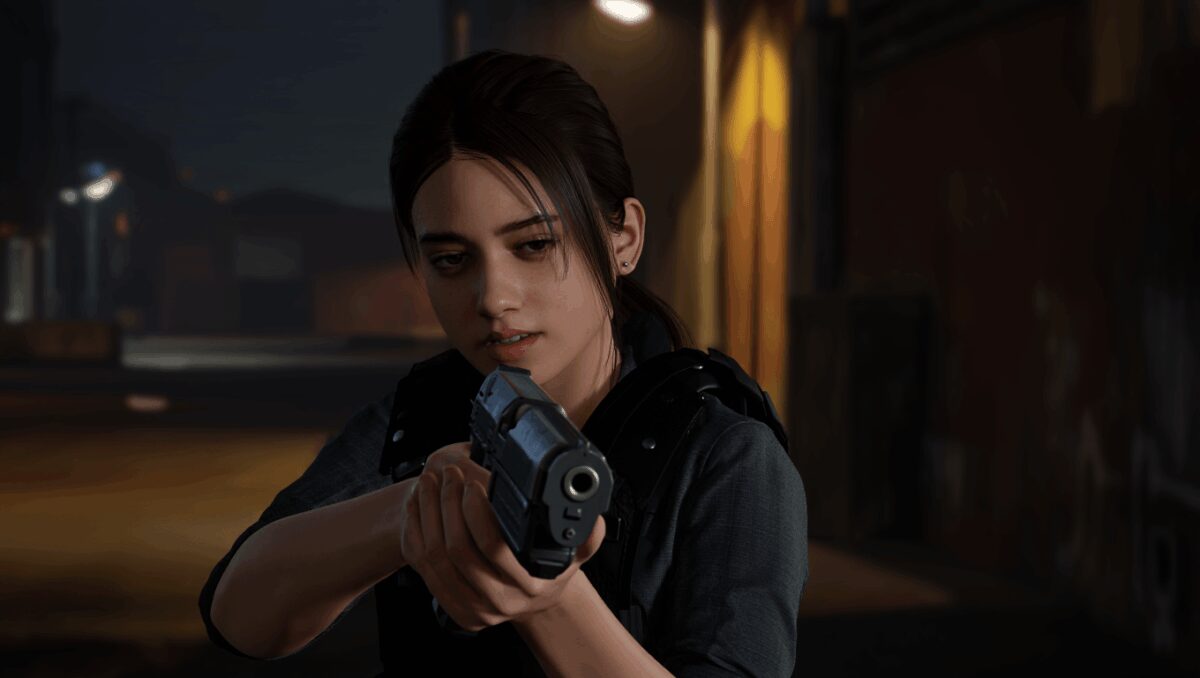
Capcom’s Pragmata lands April 17 as a bold, sometimes awkward experiment: a third-person shooter that forces players to solve a small puzzle before their shots count. That twist turns routine skirmishes into tense, calculated encounters — and gives the game a distinctive identity in a crowded AAA slate.
- Platforms: PC (reviewed), PlayStation 5, Xbox Series X|S
- Price: $59 / £49 / AU$92
- Release date: April 17, 2026
- Genre: Action‑adventure, third‑person shooter
- Developer / Engine: Capcom, RE Engine
Handheld gaming prices spike: 3 budget-friendly models under $700 for 2026
Resident Evil Requiem bets on path tracing: visual gains bring mixed reactions
Tomodachi Life on Switch 2 delivers island life Animal Crossing missed: why you’ll play daily
Future Games Show reveals 50+ summer games: where to stream the event
A fresh spin on combat
Pragmata’s key innovation is not new technology but a gameplay constraint that reshapes every fight. Before enemy armor can be pierced, you must complete a short on‑screen grid puzzle to lower shields. That layer slows firefights but forces decisions: which node to route through, when to bait a robot into position, or when to trigger a wide‑reach burst to clear a swarm.
The grid challenges evolve. Early puzzles are simple directional inputs; later ones introduce forced paths and hazards that punish careless moves. These moments can feel fiddly when multiple enemies close in, yet when they click they make encounters feel smart and deliberate rather than repetitive.
Characters anchor the science fiction
The narrative begins with Hugh Williams, a technician stranded after a lunar tremor, and an enigmatic android child he names Diana. Rather than a sprawling political epic, the story is compact and quietly human: a stranded man teaching an artificial companion about Earth, and in turn being soothed by her curiosity.
This father‑and‑daughter dynamic gives the plot emotional weight. Diana’s playful reactions to small gifts and Hugh’s guarded attempts at care build a relationship that remains the game’s emotional center, providing reasons to press forward beyond the next set piece.
How the systems fit together
Hugh’s arsenal starts modest but grows to include analogues of shotguns, explosives and launchers. Most weapons have finite durability or ammo, nudging players to rotate tools instead of camping with a single favorite. That shortage pairs neatly with Diana’s role: her hacks open windows of vulnerability, but her meter needs time to recharge, adding rhythm to fights.
Two gameplay elements deserve special mention:
- Hacking Nodes: Equipable bonuses that appear on the hacking grid and can boost damage, chain hacks, or otherwise sway outcomes.
- Overdrive Protocol: A charged ability that temporarily hacks multiple enemies at once — a clutch option for boss clashes or overwhelming waves.
Boss fights are built around these tools, turning the hacking mechanic into the centerpiece of major encounters. Some bosses feel brilliantly staged; others are unrelenting and will test patience as much as skill.
Places that feel designed, not copied
Although Pragmata is set on a lunar research complex, the game frequently diverges into fabricated environments: a 3D‑printed slice of New York, simulated natural zones, and more. Those faux landscapes are intentionally imperfect — small glitches and uncanny distortions give the game a slightly off‑kilter tone that fits the story.
The low‑gravity outdoor sequences are particularly memorable. Thrust‑assisted jumps and slower falls change both traversal and combat, offering brief but striking departures from the cramped interior corridors that make up the bulk of the experience.
Upgrade paths and the hub
You return between missions to a central safe area called The Shelter, where upgrades, weapons and abilities are managed. Resources like lunafilament fund upgrades, while a secondary vendor system uses collectible tokens to unlock rewards via a bingo‑style board.
The Shelter also functions as a character space: gifting Diana toys and items strengthens their bond and supplies light, human moments that contrast the game’s harsher sequences.
Presentation and performance
Running on the RE Engine, Pragmata is visually impressive. Manufactured environments and character models show a high level of detail, and small touches — especially how Diana’s hair floats and reacts in low gravity — stand out as unusually lifelike for current‑gen titles.
On PC the build felt stable during review play, and console performance on PS5 matched expectations: smooth and polished, with few technical interruptions. Optimization appears strong at launch.
Quick pros and cons
- Pros: Inventive combat loop, touching central relationship, striking visuals, tight length with substantial post‑game content.
- Cons: Hacking mini‑game can feel cumbersome in hectic fights, limited outdoor sections, some puzzles are mechanically simple.
Verdict
Pragmata is roughly a ten‑hour main campaign that expands considerably if you chase collectibles and post‑game content. It is not revolutionary in every respect, but it is a rare AAA release that genuinely experiments with how combat is structured, and it pairs that experimentation with a surprisingly tender story.
For players interested in smart, methodical encounters and a compact emotional core, Pragmata is worth a close look. It may not please everyone — especially those who prefer run‑and‑gun action — but it marks an interesting creative direction for Capcom and for large‑budget action games more broadly.

Annabelle Ink is a gaming journalist and lifelong gamer who lives and breathes video game culture. From console releases to esports tournaments, this dedicated journalist brings insider knowledge and genuine enthusiasm to every review and feature. Her expertise spans multiple gaming platforms, helping readers discover their next favorite game while staying connected to the pulse of the gaming industry.