
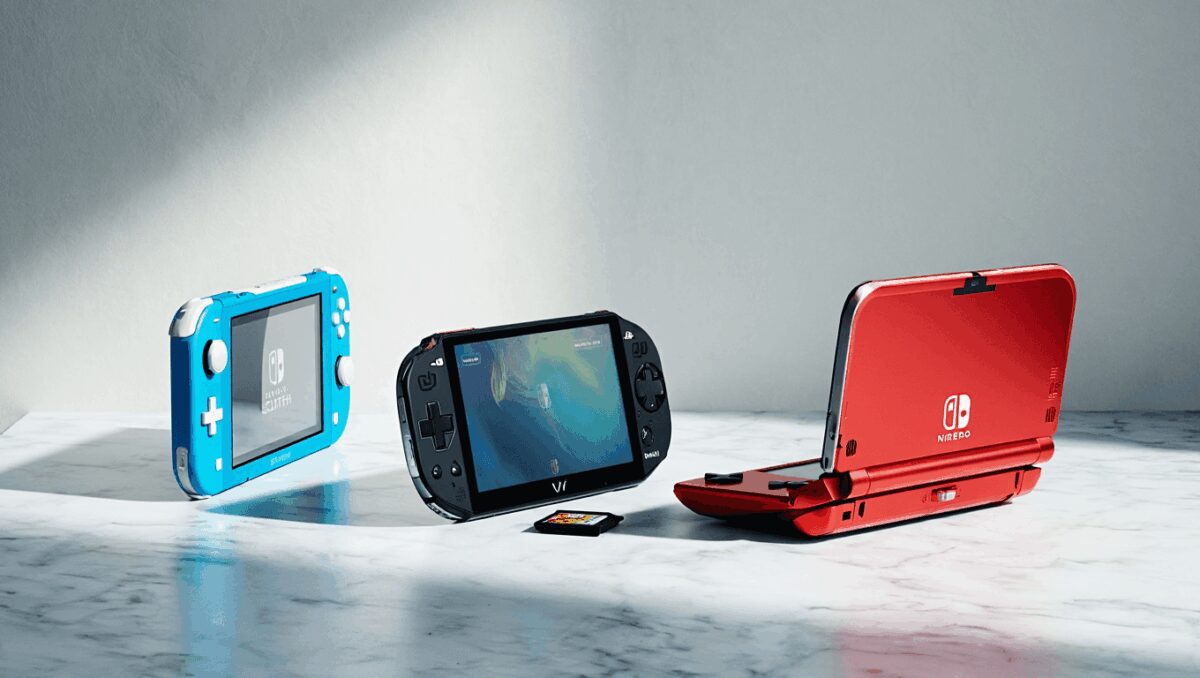
The global shortage of memory chips has pushed premium handheld gaming hardware into unexpectedly high price territory, but you don’t have to overspend to play on the go. With careful choices—older models, certified refurbs and the right OS—you can still find solid handhelds in the roughly $400–$650 range that cover everything from Nintendo exclusives to PC game streaming.
Decide what matters to you
Resident Evil Requiem bets on path tracing: visual gains bring mixed reactions
Tomodachi Life on Switch 2 delivers island life Animal Crossing missed: why you’ll play daily
Start by setting a clear budget. If you want basic portability and indie-friendly performance, aim for the $300–$500 bracket. For a noticeable step up in power and features, expect to pay around $500–$700. Those ranges are a useful guide now that component shortages have pushed some flagship devices into luxury pricing.
Future Games Show reveals 50+ summer games: where to stream the event
Pragmata path tracing stuns: Nvidia DLSS 4 makes it playable on mainstream GPUs
Pick games, then a platform. If your library centers on Nintendo first-party titles, a Nintendo Switch 2 or the original Switch OLED remains the straightforward choice. For PC titles and Xbox Game Pass on a portable device, a Windows handheld such as the Asus ROG Ally is more flexible. If you prefer a console-like experience with built-in storefront integration, devices running SteamOS are a better match.
Battery life is the practical limiter for handhelds. Expect roughly 2–3 hours on demanding AAA games; lighter indie titles and tuned power settings extend playtime. Also note that OLED displays are desirable but can be expensive right now — the market for OLED-equipped handhelds is constrained, so weigh display benefits against cost.
Where to look for the best value
- Favor last-generation models over newly released flagships; they often deliver equivalent day-to-day enjoyment at a lower price.
- Check official refurbished programs and big-retailer open-box or certified pre-owned stock for discounts and warranty coverage.
- Watch for flash sales from major stores and seasonal promotions rather than chasing unsourced marketplace bargains.
- Consider expandability—microSD support and the option to add a dock can extend a handheld’s usefulness without a high upfront cost.
Three handhelds to consider right now
Below are three options that balance price, performance and usability. Prices fluctuate quickly; treat these as current-market snapshots rather than permanent deals.
| Model | Approx. price | Best for | Notes |
|---|---|---|---|
| Nintendo Switch 2 | $449–$499 | Nintendo exclusives, family-friendly gaming | Strong first-party library; stable pricing compared with PC handhelds. |
| Asus ROG Ally | ~$540 (open-box/refurb) | Full Windows PC gaming, Xbox Game Pass | High performance for a handheld; Windows gives maximum compatibility but can need tuning for comfortable use. |
| Lenovo Legion Go S (SteamOS) | ~$649 | Steam library, emulation, simpler console-like experience | Good alternative when the Steam Deck is unavailable; SteamOS offers a plug-and-play feel. |
Checklist for buying used or certified pre-owned
Secondhand and certified pre-owned units are more attractive than ever, but they demand careful inspection. Treat this short checklist as mandatory if you want to avoid post-purchase headaches.
- Test immediately: Within the return window, check joysticks for drift, buttons for responsiveness and the display for dead pixels or uneven backlighting. Run games for 20–30 minutes to surface overheating or connectivity problems.
- Battery health: Older units often show significant battery degradation. Prefer manufacturer refurbs or retailer CPO items that include battery checks.
- Warranty and returns: Buy from sellers that provide a clear return policy and some warranty coverage; avoid anonymous listings without protections.
- Watch for red flags: Extremely low prices, vague descriptions, or “for parts” listings usually mean hidden problems.
- Know what $300 buys today: If a modern PC-capable handheld is listed as “like new” under $300, it’s likely not suitable for current AAA gaming.
How the memory shortage affects choices
The ongoing memory supply crunch has two clear effects: some high-capacity configurations now carry steep premiums, and OLED-equipped, high-end models are often scarce or heavily marked up. For most buyers, the sensible move is to prioritize the features that change your day-to-day experience—game compatibility, battery life and software ecosystem—rather than chasing maximum specs.
That said, if you value raw storage or a top-tier display and can afford the premium, those options still exist. Just be mindful that a high-priced spec bump today may not translate into proportionally better gameplay.
Final take
The market is tighter than it was, but practical options remain. By clarifying what you want to play, setting a budget, and using certified-refurb channels or open-box deals, you can secure a capable handheld without paying flagship luxury prices. The memory shortage may persist for months, but patient, informed shoppers can still find good value.

Annabelle Ink is a gaming journalist and lifelong gamer who lives and breathes video game culture. From console releases to esports tournaments, this dedicated journalist brings insider knowledge and genuine enthusiasm to every review and feature. Her expertise spans multiple gaming platforms, helping readers discover their next favorite game while staying connected to the pulse of the gaming industry.