
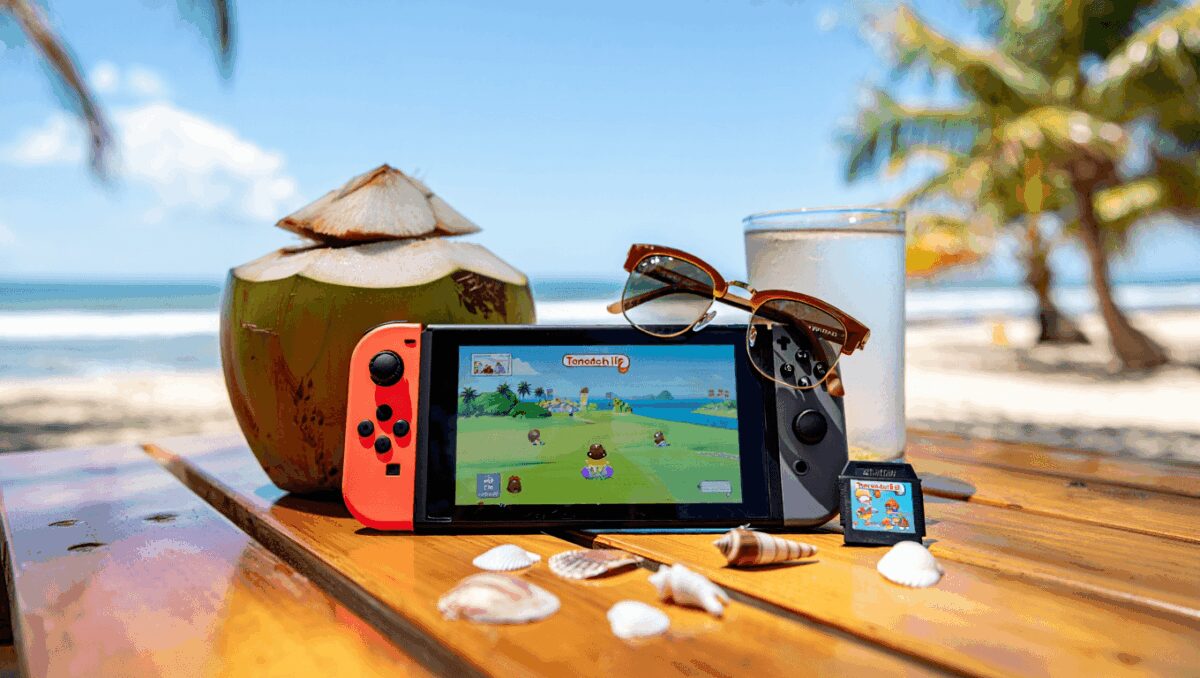
Playing Tomodachi Life: Living the Dream has become my nightly ritual — and it feels unexpectedly timely. In an era when players want satisfying, low-effort experiences, Nintendo’s new social simulator quietly delivers an island that evolves whether you’re logged in or not.
A more manageable kind of community
Future Games Show reveals 50+ summer games: where to stream the event
Pragmata path tracing stuns: Nvidia DLSS 4 makes it playable on mainstream GPUs
Unlike large, open-ended simulators that demand hours of crafting and resource gathering, Living the Dream simplifies progression. The game centers on creating and guiding digital residents — **Miis** — from their first moments on the island through surprising, often silly interactions.
Nintendo Switch farming games ranked: must-play cozy titles to try this spring
PC gaming deals explode in April 2026: where to grab the biggest savings
Everything begins at a creation screen. You design faces, pick voices and names, and then watch how those choices ripple through the island’s life. Rather than spending time chopping trees or scavenging materials, you earn currency by checking in and then use it to buy items that influence residents’ moods. The reward loop is fast and obvious: small actions produce immediate, tangible changes.
How the island keeps moving
One of the clearest departures from other Nintendo life sims is how the world progresses when you’re away. Your Miis form relationships, argue, and change routines without your input. That background activity creates a steady stream of discoveries whenever you reopen the game — little narrative beats and visual shifts that make returning feel worthwhile.
Because the island continues on its own, short play sessions still feel meaningful. You can hop in for five or ten minutes and come away with a genuinely new development to explore.
- Emergent dialogue: Custom answers and player-created topics feed into the game’s banter, producing unexpected and often funny conversations.
- Active offline simulation: Residents evolve while you’re away, so the world doesn’t stagnate between sessions.
- Quick progression: Daily check-ins reward you with money and options to influence island life without time-consuming chores.
- Accessible creation: The Mii system can generate characters for you if you’d rather skip detailed design.
Point, drag, and delight
The interface leans into simplicity. Instead of navigating a 3D avatar across the map, you point, tap and move characters with a drag gesture — an approach that keeps the experience light and tactile. The most talked-about feature is the so-called “floating hands”: you can physically pick up a resident and place them elsewhere to spark new interactions.
That mechanic is surprisingly playful. Placing a Mii in a stranger’s house at two in the morning often produces gleefully absurd responses; watching the island’s cast react to those moments is a major part of the game’s charm.
Why this matters now
As players evaluate new additions to the Switch ecosystem, Living the Dream arrives with a clear proposition: an engaging, low-commitment sim that suits hectic schedules. It’s particularly relevant for people who enjoyed quieter social games but felt overwhelmed by long maintenance loops in titles released earlier this decade.
There’s also an immediate way to try it: Nintendo has made a free **demo** available on the eShop, so curious players can test the core systems without buying the full release.
Quick verdict and who it’s for
I came to the game with no prior experience of the Tomodachi series and found it unexpectedly addictive. The delight isn’t in complex mechanics but in the small, personal stories that form when you combine custom characters, oddball dialogue and a world that keeps spinning on its own.
- Best for: Players who want short, replayable sessions; families who enjoy sharing highlights; anyone curious about emergent character comedy.
- Less ideal for: Those looking for deep crafting systems or long-form goals tied to resource collection.
In short: Tomodachi Life: Living the Dream is a light, surprising social sandbox that rewards curiosity and quick check-ins. If you prefer compact play sessions with a steady stream of incidental humor, the demo is worth a download — and the full game is likely to keep you coming back to see what your island’s residents get up to next.

Annabelle Ink is a gaming journalist and lifelong gamer who lives and breathes video game culture. From console releases to esports tournaments, this dedicated journalist brings insider knowledge and genuine enthusiasm to every review and feature. Her expertise spans multiple gaming platforms, helping readers discover their next favorite game while staying connected to the pulse of the gaming industry.