
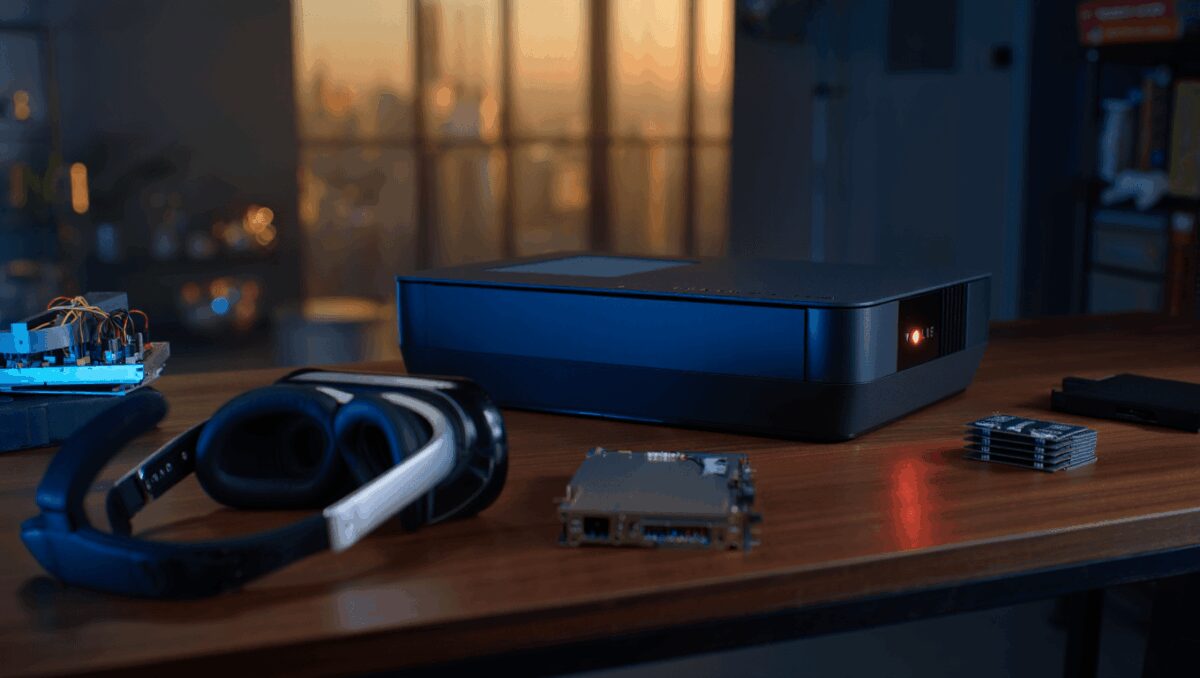
Valve now says the arrival of its long‑teased Steam Machine and the companion VR system known as the Frame is likely to slip as the company grapples with persistent shortages and rising costs for memory and storage components. The latest update keeps 2026 as a hopeful window but gives no firm launch dates or prices, signaling continued uncertainty for consumers and retailers.
Pokémon FireRed on Switch 2: 80 hours reveal why modern Pokémon fall short
Resident Evil on Switch 2: our verdict on the one new game worth buying
In a note aimed at developers, Valve explained that constrained supply chains for DRAM and flash components have complicated its planning. The company framed 2026 as a target year but emphasized it needs more time to settle on concrete pricing and release schedules before making public commitments.
Valve first flagged the issue publicly in February, saying it would “revisit” timing and price because of the same component pressures. At that time the firm still hoped to ship hardware in the first half of the year; the recent communication pushes that, without specifying a new quarter or date.
Mario games on Switch and Switch 2: full lineup to play for Mario Day 2026
Switch hidden gems under $25: 15 must-play budget games to grab now
The ripple effects are already visible. Availability for the Steam Deck OLED has become inconsistent, and regional price adjustments have appeared in parts of Asia — moves that foreshadow potential cost increases elsewhere if component prices remain elevated.
Industry observers link the supply squeeze to a broader slowdown across gaming hardware this year. Missing graphics card launches, inventory tightening and reports of possible price adjustments for next‑generation consoles have all been tied back to the same shortage of memory parts, which some analysts say could take until 2028 to normalize.
What this means for gamers, retailers and developers:
- Delayed launches: New devices that rely on high‑capacity memory are more likely to miss earlier windows or be staged regionally.
- Price uncertainty: Retail prices may rise or vary by market as manufacturers hedge against component cost volatility.
- Limited stock: Short runs or staggered availability — similar to the current Steam Deck OLED situation — are possible at launch.
- Longer product cycles: Companies may postpone broad rollouts until component markets stabilize, affecting upgrade timelines for consumers.
Valve says it will announce details once it can confidently finalize dates and pricing. For now, the company’s message is cautious: a hoped‑for 2026 timeframe, but no firm commitments until supply and cost pressures ease.
For consumers watching hardware announcements, the story underscores a simple trade‑off: early adopters may face patchy availability and higher prices, while those who can wait are likely to benefit when component markets recover and wider distribution resumes.

Annabelle Ink is a gaming journalist and lifelong gamer who lives and breathes video game culture. From console releases to esports tournaments, this dedicated journalist brings insider knowledge and genuine enthusiasm to every review and feature. Her expertise spans multiple gaming platforms, helping readers discover their next favorite game while staying connected to the pulse of the gaming industry.