
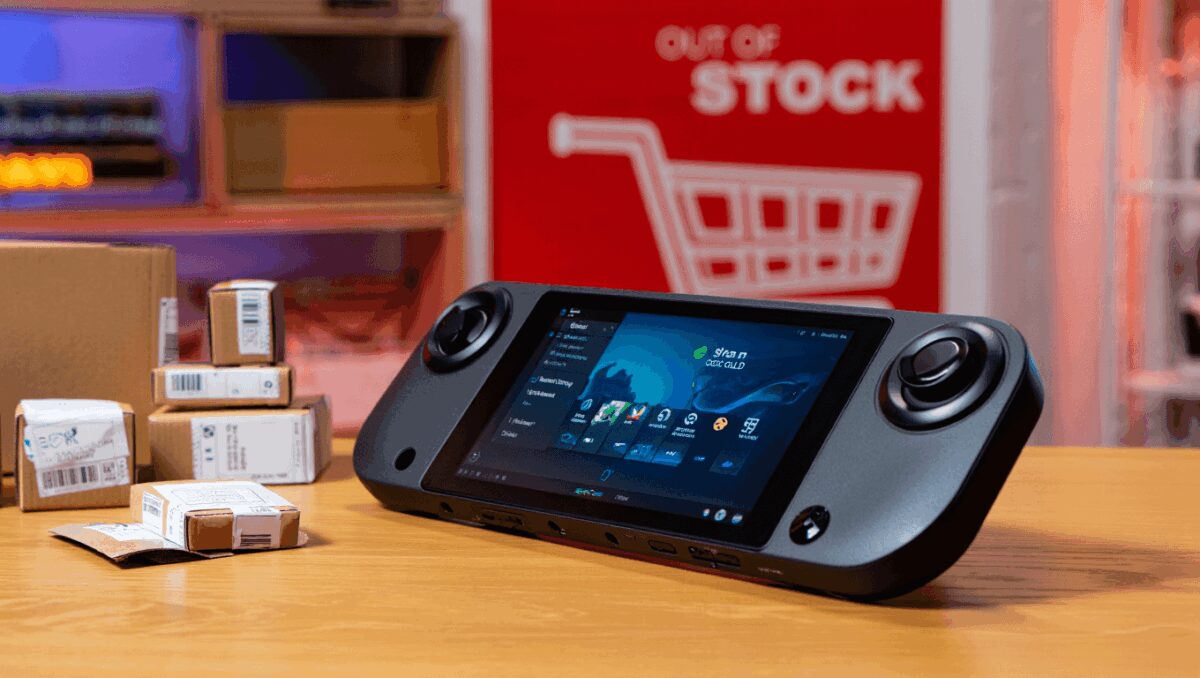
The global shortage of memory and storage parts is now limiting Valve’s handheld supply: the company warns that the Steam Deck OLED is often out of stock in some regions, and the older LCD model has effectively reached end-of-life. For gamers hunting a portable PC device, that shortage changes both what’s available immediately and what you should expect to pay.
Nintendo Switch Presidents’ Day deals: 21 editor-picked games starting at $17
Steam Deck OLED scarcity hits stores as Valve warns: RAM shortfall could stall Steam Machine plans
Valve’s product page currently attributes intermittent unavailability of the Steam Deck OLED to ongoing shortages of RAM and SSD components, and confirms that production of the Steam Deck LCD has stopped — the remaining 256GB LCD units will not be replenished. The practical effect: finding a new Deck OLED at retail is difficult, and remaining LCD inventory is shrinking fast.
Where shoppers should look now
Stock is patchy and often listed through third-party sellers; that can push prices well above MSRP. At the moment, mainstream retailers to watch include:
Nintendo Switch 2 games: 2026 lineup gamers can’t afford to miss
Xbox Live outage knocks millions offline: users hit with sign-in errors and lost cloud saves
- Valve’s store — official inventory, but regional availability varies.
- Amazon — product pages sometimes exist but often show no immediate units from Amazon itself.
- Best Buy — has carried refurbished OLED units in the past, but availability fluctuates.
- Walmart — listings are frequently handled by marketplace sellers and may be priced higher.
Check each retailer frequently and consider enabling stock alerts or browser notifications; resale listings and refurbished offers can appear and disappear within hours.
Quick hardware comparison
| Feature | Steam Deck OLED | Steam Deck LCD (256GB) |
|---|---|---|
| Screen | 7.4″ HDR OLED, 1280×800 | 7″ LCD, 1280×800 |
| Refresh / Wi‑Fi | Up to 90Hz, Wi‑Fi 6E | 60Hz, Wi‑Fi 5 |
| Battery | 50Wh | 40Wh |
| Storage options | 512GB / 1TB | 256GB |
The two OLED configurations differ mainly by storage and bundled extras: the larger-capacity model ships with additional accessories and digital bonuses. Otherwise the core performance and display technology are the same across OLED variants.
Practical alternatives while stock is tight
If you want a handheld gaming PC now rather than waiting, several non-Valve options are worth considering. They vary in operating system, performance and price, but can substitute for a Deck in many use cases.
- Lenovo Legion Go S — an 8‑inch SteamOS handheld that aims for a Deck‑like user experience; useful if you prefer a machine that runs SteamOS out of the box.
- ASUS ROG Ally — Windows-based, generally stronger in raw frame-rate potential; refurbished units can be considerably cheaper than new hardware right now.
- ASUS ROG Xbox Ally — a Windows device tuned with Xbox ecosystem features; positioned mid‑range in terms of price versus performance.
Each alternative has trade-offs: Windows handhelds offer broader compatibility but require more hands-on setup for SteamOS-like convenience, while SteamOS devices stick closer to the Deck’s interface.
Broader consequences: why this matters
The immediate effect is obvious for shoppers — fewer new units, higher prices from third‑party sellers, and limited refurbished supply. But the shortage also ripples through Valve’s roadmap. The company has delayed its planned home console/PC hybrid and related hardware into the first half of 2026, citing the same component constraints.
That delay matters beyond handheld availability. Manufacturers across the PC and console supply chain are juggling higher memory costs and constrained inventory, which can inflate system prices and stretch launch timetables for other devices that rely on those components.
For buyers, the options are straightforward but require trade-offs: wait for official restocks (and hope component supply improves), accept higher prices from resellers, or pivot to an alternative handheld that’s currently available. Whatever you choose, monitor multiple retailers and set alerts — availability is changing day-to-day.
For now, the memory shortage has turned a niche hardware hiccup into a broader signal: even popular consumer gadgets can be derailed by supply-chain turbulence, and the timing of new Valve hardware depends on that recovery.

Annabelle Ink is a gaming journalist and lifelong gamer who lives and breathes video game culture. From console releases to esports tournaments, this dedicated journalist brings insider knowledge and genuine enthusiasm to every review and feature. Her expertise spans multiple gaming platforms, helping readers discover their next favorite game while staying connected to the pulse of the gaming industry.