
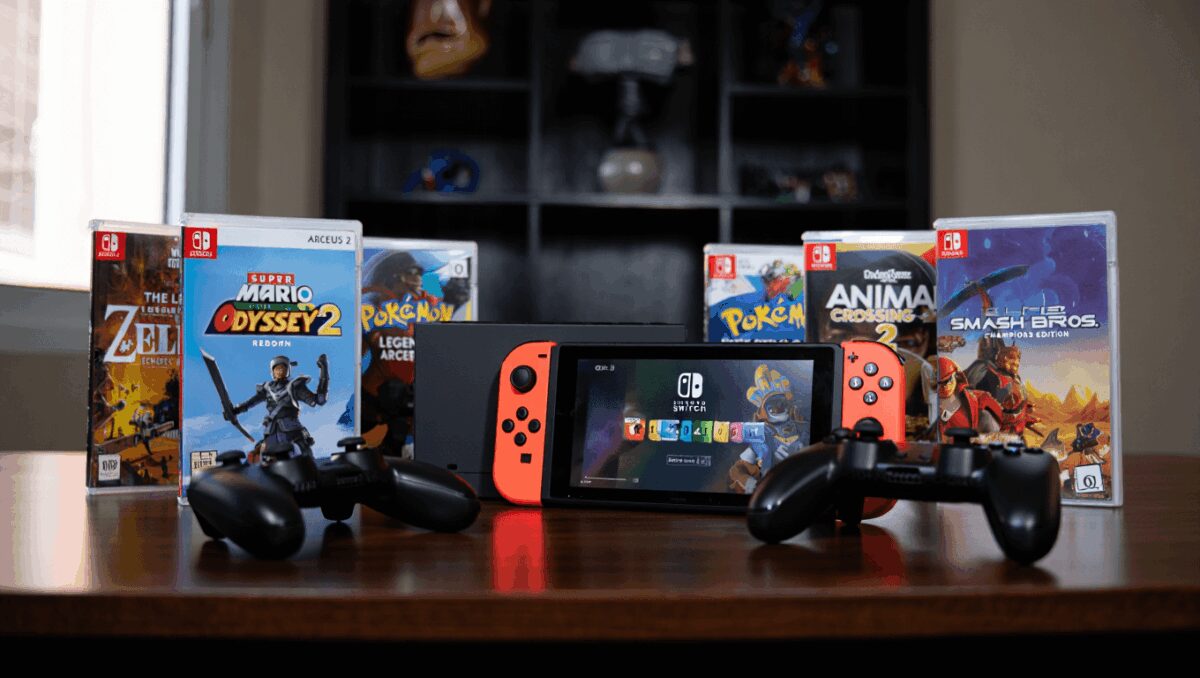
Nintendo’s Switch 2 may be new to the market, but its early software lineup already gives buyers clear reasons to invest. For anyone weighing whether to upgrade or which titles to buy first, the console’s mix of fresh exclusives, high-profile ports and upgraded classics matters right now.
Early standouts shaping the Switch 2 catalog
Xbox Live outage knocks millions offline: users hit with sign-in errors and lost cloud saves
PlayStation, Nintendo consider price hikes and delays: what gamers should expect
The first months after a console launch often define its momentum. On Switch 2, a handful of exclusives are setting the tone: bold platforming, new takes on long-running series, and smaller experiments that show what the hardware can do.
Among the most talked-about releases is Donkey Kong Bananza, which reframes 3D platforming around the character’s size and strength rather than recycling Mario’s template. Its destructible levels and collectible-driven design have already made it a top recommendation for new owners.
Wordle answer today: Feb 23 puzzle 1710 and quick hints to win
NYT Strands answers: quick hints and full solution for game 722, Feb 22
Pokémon Legends: Z-A takes the series further from turn-based roots by introducing a real-time combat system that changes how trainer battles feel. While the title is available for the original Switch, the Switch 2 build delivers a steadier framerate and smoother performance.
- Donkey Kong Bananza — destructible worlds and a character-focused design that rewards exploration.
- Pokémon Legends: Z-A — a major series pivot with new real-time battles; Switch 2 offers the best performance.
- Hades 2 — Supergiant’s sequel expands the studio’s rogue-lite formula with deeper progression and replayability.
- Mario Kart World — familiar kart racing refreshed with new mechanics and a 48-player Knockout Tour mode.
- Mario Tennis Fever — accessible party tennis with new Fever Rackets and the franchise’s largest roster to date.
Outside first-party exclusives, the Switch 2 also hosts full-port versions of large, previously console-bound games. The console’s upgraded power makes titles like Cyberpunk 2077: Ultimate Edition and Hogwarts Legacy a more convincing portable play than their original Switch releases.
And longtime Nintendo hits have been refreshed for the new hardware. Both The Legend of Zelda: Tears of the Kingdom and Breath of the Wild run with improved resolution and frame rates on Switch 2, which can make revisiting those expansive worlds feel like a new experience.
Quick reference: why these games matter
For early adopters, the value proposition of a console often comes down to three things: exclusive games you can’t play anywhere else, how well big third-party titles translate to the device, and whether older favorites get tangible upgrades. Switch 2 hits all three with its launch lineup.
Backward compatibility: what works, and what to watch for
One advantage for those considering an upgrade is the Switch 2’s strong backward compatibility. Nintendo says more than 15,000 Switch 1 titles run on the new hardware under basic compatibility tests, meaning most players can carry their existing libraries forward.
That said, there are exceptions and caveats:
- Some Switch 1 games show critical bugs on Switch 2 that can block progress. A small number of popular titles are affected — for example, certain collections and cooperative games have been reported as problematic.
- Certain motion-focused or accessory-dependent experiences still require original Joy-Con controllers. Games like Ring Fit Adventure, 1-2-Switch and Nintendo Switch Sports need hardware features not fully supported by the Switch 2’s default controllers.
- The Nintendo Labo Toy-Con VR Kit is not compatible with Switch 2 because the larger console does not fit the cardboard headset.
Nintendo has also pushed free updates to optimize some first-party titles on the new console. Notable examples include Pokémon Scarlet/Violet, Splatoon 3, Super Mario 3D World + Bowser’s Fury, Super Mario Odyssey and The Legend of Zelda: Echoes of Wisdom, each receiving performance improvements when played on Switch 2.
The upshot: most of your favorite Switch games should work, but check compatibility notes before assuming everything will run identically — and keep a set of original Joy‑Cons handy if you rely on motion or peripheral-driven titles.
How this affects buying decisions today
If you already own a large Switch library, the compatibility picture makes the Switch 2 a lower-risk upgrade: you get newer releases and enhanced versions without losing access to older purchases. New buyers, meanwhile, can choose from a growing catalogue that mixes first-party exclusives with big-name third-party experiences ported to the platform.
For collectors and completionists, remastered classics plus a slate of fresh exclusives mean there’s immediate value to owning the new console. For more casual players, standout party and portable-friendly titles (like Mario Tennis Fever and Sonic X Shadow Generations) can justify the purchase on their own.
Expect the library to keep expanding. Early momentum matters because the next wave of releases will determine whether Switch 2 becomes a generational home for Nintendo’s biggest franchises or a transitional platform that coexists with the original Switch library.
Bottom line: Switch 2 already offers compelling reasons to buy — from exclusive experiments to improved versions of modern blockbusters — but check compatibility details for specific Switch 1 titles and accessories before you decide.

Annabelle Ink is a gaming journalist and lifelong gamer who lives and breathes video game culture. From console releases to esports tournaments, this dedicated journalist brings insider knowledge and genuine enthusiasm to every review and feature. Her expertise spans multiple gaming platforms, helping readers discover their next favorite game while staying connected to the pulse of the gaming industry.