
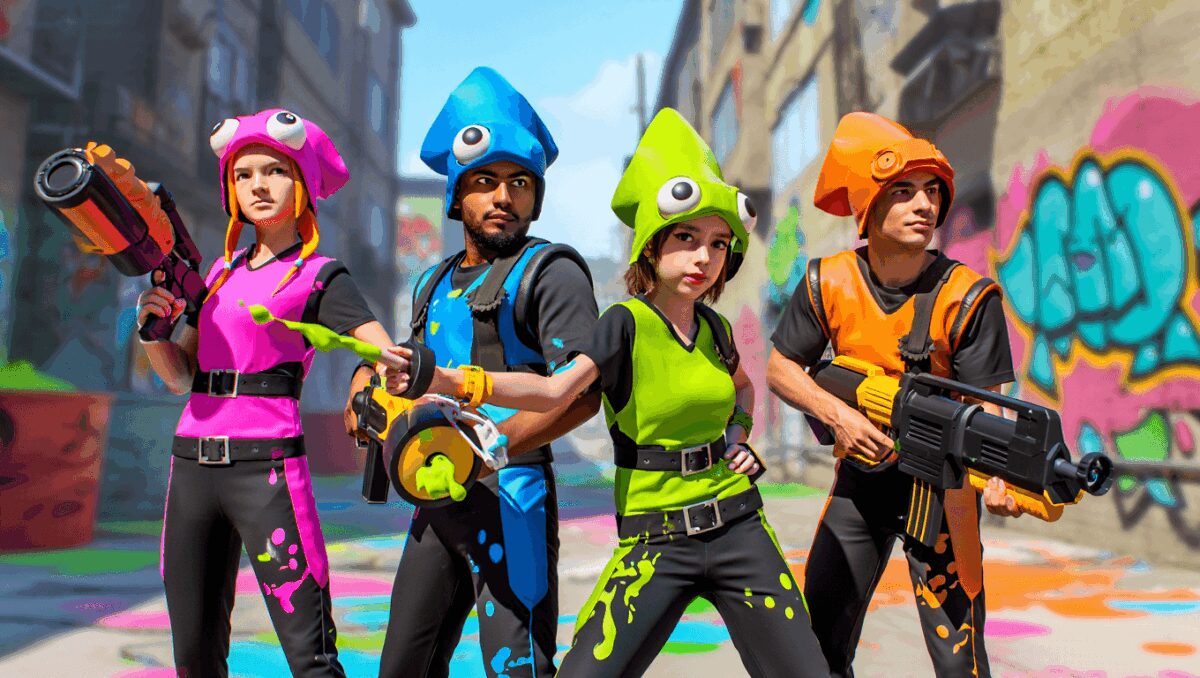
Splatoon Raiders reframes Nintendo’s ink-powered shooter into a solo-first, loot-driven adventure that also supports four-player co-op — and it arrives as the series’ first outing on the Nintendo Switch 2. For players wondering whether this is a stopgap before the next numbered entry or a bold new direction, the answer matters: the game tests how Splatoon’s signature mobility and color-splashed combat translate to a looter-shooter loop.
DLSS 5 puts developers in control: Nvidia upscaler may outperform expectations
EA Sports College Football 27 impresses gamers: one major flaw could make it a bad buy
The core experience is straightforward: launch raids on the Spirhalite Islands, gather treasure and materials, then return to your improvised ship to upgrade weapons and gadgets. That cycle — sprinting into chaotic arenas, snagging high-tier loot and tweaking loadouts — is the heart of what makes Raiders click.
Quick facts
- Platform: Nintendo Switch 2
- Release date: July 23, 2026
- Price: $49 (digital) / $59 (physical) — regional pricing varies
- Genre: Third-person looter shooter with solo and co-op modes
- Play modes: Single-player, local and online 4-player co-op
PS6 price expectations: coworkers list the sums they’d shell out
Razer Iskur V2 NewGen: gaming chair finally beats my office seat
What’s new — and why it matters
Splatoon Raiders keeps the series’ trademark movement and ink mechanics but swaps competitive turf wars for bite-sized, mission-based raids. That change reframes the franchise: instead of a match-by-match PvP focus, the game rewards repetition and incremental progression. For Nintendo, it’s a low-risk experiment that could influence how future Splatoon titles handle persistent progression, player choice and cooperative play.
Mechanically, the game blends Splatoon’s nimble traversal with looter conventions: enemies drop materials, weapons come in tiers, and gadgets can be crafted or upgraded. Those systems give players meaningful decisions between runs, turning each return to the ship into a mini strategy session rather than filler downtime.
Gameplay loop: quick, frantic, and surprisingly deep
Raids range from single-boss showdowns to freeform salvage missions where you collect resources and drill into treasure vaults. Enemies are varied — airborne threats, burrowers and massive, screen-filling bosses — and the combat still rewards mobility: diving through your own ink to flank foes and strike weak points feels precise and satisfying.
Two equippable gadgets and a choice of Ink Tanks — **Speed**, **Power** or **Tactical** — shape how you approach fights. Gadgets run on cooldowns, but crafting parts can shorten those timers. That interplay between immediate combat and mid-run resource management keeps encounters tense without overstaying their welcome.
After an early awkwardness with being booted back to the ship on failure, the design choice revealed itself: enforced pauses encourage loadout adjustments and smarter approaches, which helps when soloing tougher raids. If you prefer teamwork, online or local co-op for up to four players is available and often smooths over difficult spikes.
Progression and crafting
Your role as The Mechanic makes crafting feel organic rather than tacked on. Salvaged parts and Spirhalite Crystals serve dual purposes: upgrading weapons or investing in new gadgets and ship systems. Relics recovered from treasure grants passive benefits that can swing the balance during boss fights.
There’s satisfying tension in choosing whether to funnel rare crystals into powering up a favorite weapon or building a new gadget that might redefine your approach. That resource trade-off is the game’s most compelling hook and a major reason runs feel consequential.
Presentation: the Switch 2 shows off
Technically, Raiders is impressive. The game runs at a steady 60 fps in 4K on the Switch 2 hardware and holds frame pacing even in crowded set pieces. Distinct biomes — from sun-bleached beaches to snowy ridgelines — provide visual variety, and small touches like changing ink colors between expeditions add constant freshness.
Performance stability matters here: when battles get chaotic, maintaining responsiveness preserves the skill-based feel that defines Splatoon combat.
Where it falters
Despite its strengths, Raiders is not immune to repetition. Some late-stage islands cycle similar objectives and enemy patterns; long sessions can blur together. Storywise, you get satisfying answers to most plot threads by the end of a roughly 15-hour run, but a few narrative beats are left deliberately open for future content.
- Pros: Tight movement and shooting, engaging loot loop, robust visuals and steady performance.
- Cons: Repetitive missions at times, competitive PvP fans may miss traditional multiplayer depth.
Verdict
Splatoon Raiders successfully recasts the franchise as a compact looter-shooter without losing the series’ kinetic charm. It’s an excellent showcase for the Switch 2 and a strong standalone experience for players who enjoy gear progression, short high-energy missions and cooperative play.
For longtime Splatoon fans, the lack of a primary PvP mode might sting, but the cooperative raids and meaningful crafting systems present a compelling alternative. For newcomers, Raiders is an accessible, polished entry point that highlights what makes Splatoon’s combat engaging while exploring new design territory.
In short: if you want fast, bright, and mechanically rich shooter sessions on the Switch 2 — alone or with friends — Splatoon Raiders is worth your time. It’s not only a capable spin-off; it hints at where the series could go next.

Annabelle Ink is a gaming journalist and lifelong gamer who lives and breathes video game culture. From console releases to esports tournaments, this dedicated journalist brings insider knowledge and genuine enthusiasm to every review and feature. Her expertise spans multiple gaming platforms, helping readers discover their next favorite game while staying connected to the pulse of the gaming industry.