
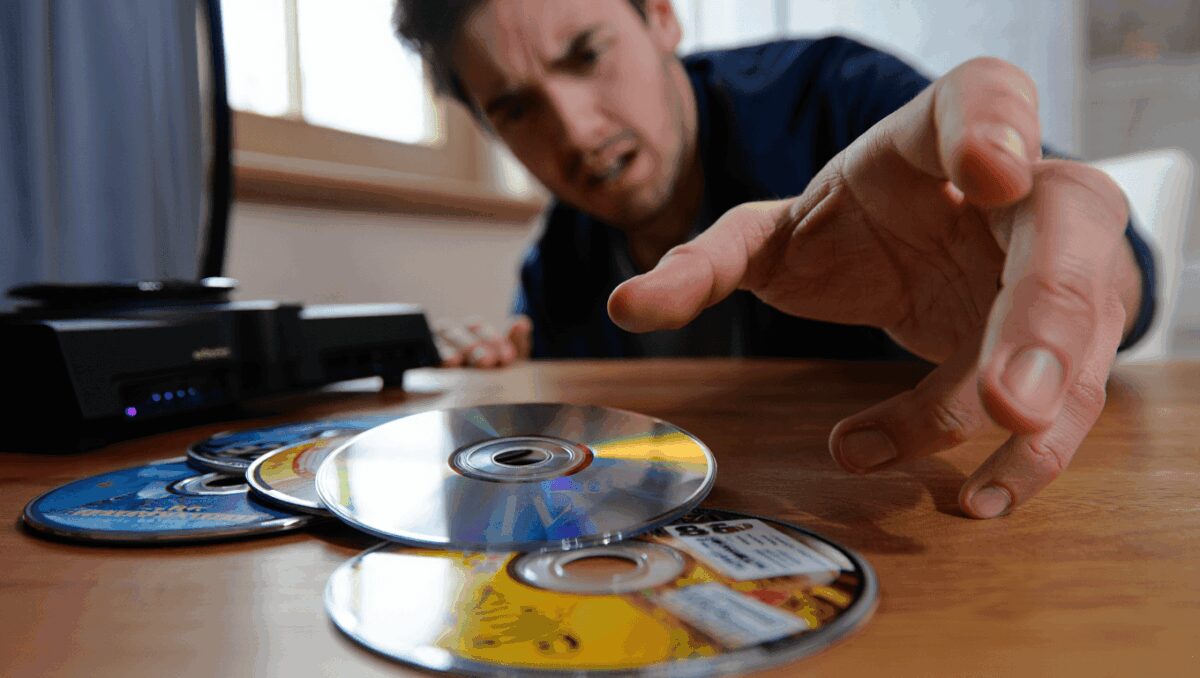
PlayStation’s move away from physical game discs is now official, and the decision matters because it reshapes how players own, sell and preserve their libraries. Sony points to a predominantly digital audience as justification, but critics warn the change could hollow out long-term access and consumer protections.
PS5 Pro beats Steam Machine: what it means for most gamers
Star Fox on Switch 2 eclipses the classic: stunning 4K, tighter controls, expanded story
Sony’s own financial reports show the majority of games on its platform are bought digitally, a shift the company says makes disc production unnecessary. Still, that metric alone doesn’t address what disappears when discs vanish: a tangible copy that can be resold, archived or used without relying on a publisher’s infrastructure.
Why activists say the issue runs deeper than formats
Ross Scott, founder of the advocacy group Stop Killing Games, told us the debate should move beyond whether people prefer downloads or discs. He argues the real concern is the weakening of true ownership when games exist only as tied-to-account digital licences.
GTA 6 players: five top gaming TVs discounted for Prime Day
GTA 6 ultimate edition confirmed as full game: $100 price verified
Scott framed the loss of discs as symptomatic rather than central: removing the physical medium makes it easier for publishers to limit access, change licensing terms or shut down services without leaving players a working copy.
He urged clearer guarantees that purchases remain playable over time, noting a pattern where promises of consumer-friendly policies can shift as market power concentrates.
Practical consequences for players
- Preservation risks: Without physical copies, older titles may become inaccessible if servers are closed or storefronts change their terms.
- Second-hand sales: The used-games market shrinks when games are strictly digital, reducing options for budget-conscious buyers and complicating competition.
- Consumer expectations: Retail packages that contain only a download code blur the line between physical and digital ownership and can be misleading.
- Publisher power: Digital-only distribution can let companies enact account-based restrictions more easily than with a disc in hand.
Second-hand sales, competition and legal questions
Scott acknowledged legitimate publisher concerns about lost revenue from resale but warned against expanding control through technical measures instead of legal channels. Copyright law already grants exclusive rights; using digital locks to extend those controls would raise policy and regulatory issues in many countries.
He also pointed to recent industry trends—price shifts after major consolidations, for example—as evidence that reduced competition can quickly change how consumer-friendly platforms behave.
Lessons from past industry moves
Advocates draw a through-line to the original Xbox One announcement more than a decade ago, when proposals like persistent online checks and strict used-game rules sparked backlash. Although many of those features were rolled back, similar ideas have since seeped into standard industry practice.
That history underlines a broader point: once the easy fallback of a physical copy is gone, it’s simpler for companies to rely on account-based access and technical restrictions.
When “physical edition” is only a label
One particular gripe is the rise of boxed products that contain nothing but a redemption code. Scott described this trend as deceptive for shoppers who reasonably expect a physical disc or cartridge when they buy a boxed version.
Boxes that merely package a code leave ownership contingent on an online account and on publisher policies that might change, making the label “physical copy” misleading in practice.
Outlook
Digital distribution brings real benefits—convenience, instant updates and easier backup workflows when publishers support them. But the shift also heightens questions about long-term access and consumer rights.
If consoles continue down an all-digital path, the clearest remedy is not nostalgia for discs but stronger, enforceable guarantees: transparent licensing terms, archival safeguards and legal protections that ensure purchases remain usable even if a publisher withdraws support.
For now, the industry is at a crossroads: convenience and lower production costs on one side; durable ownership and resale options on the other. How regulators, publishers and platforms balance those priorities will determine whether players keep meaningful control over what they buy.

Annabelle Ink is a gaming journalist and lifelong gamer who lives and breathes video game culture. From console releases to esports tournaments, this dedicated journalist brings insider knowledge and genuine enthusiasm to every review and feature. Her expertise spans multiple gaming platforms, helping readers discover their next favorite game while staying connected to the pulse of the gaming industry.