
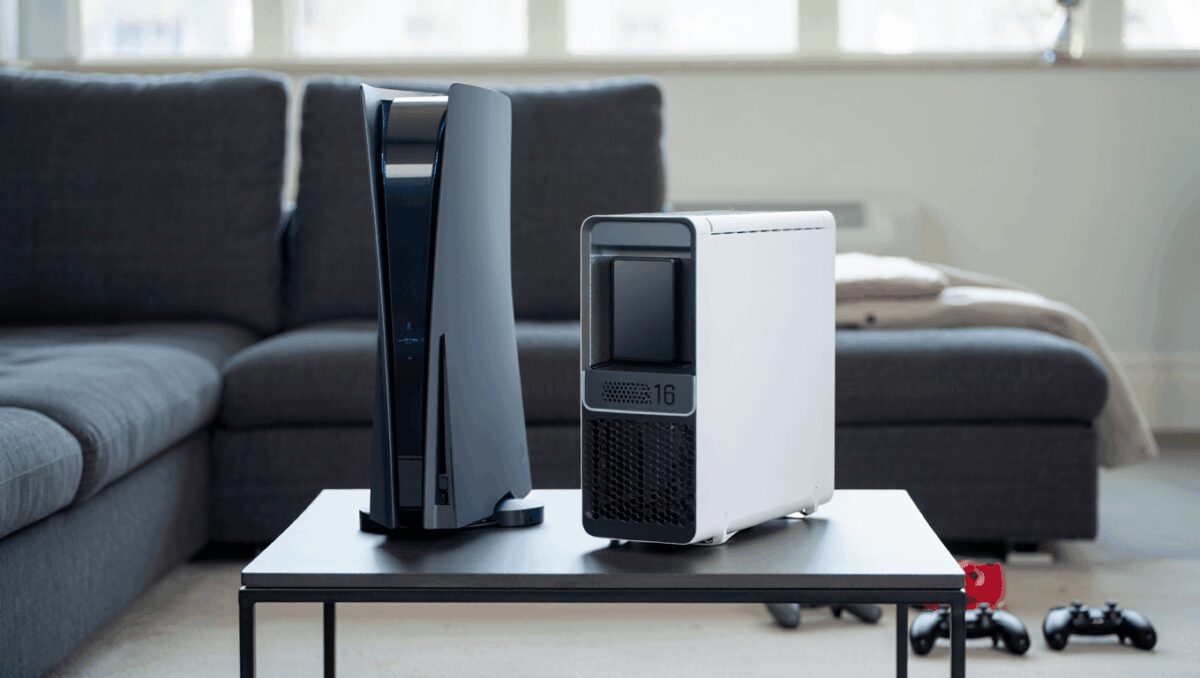
The latest generation of living-room gaming hardware is forcing a harder choice: pay less for a powerful, plug-and-play console, or spend more for a PC-like device that brings your Steam library to the sofa. With component prices still elevated this year, the differences in cost, performance and software access matter more than ever.
Price and value
Star Fox on Switch 2 eclipses the classic: stunning 4K, tighter controls, expanded story
GTA 6 players: five top gaming TVs discounted for Prime Day
At retail today the console option is notably cheaper. The PlayStation 5 Pro now lists at about $899, up from its original $699 launch price, and ships with one DualSense controller and a 2TB SSD built in. That higher sticker reflects broader industry inflation — memory and storage costs have pushed many manufacturers to raise prices.
GTA 6 ultimate edition confirmed as full game: $100 price verified
GTA 6 pre-orders live: claim your copy ahead of Nov 19 release
The Valve-made Steam Machine, by contrast, starts at roughly $1,049 for the 512GB configuration and jumps to around $1,349 for the 2TB model. Valve’s base configurations are sold without a controller, which bumps the effective price if you add the official Steam Controller or a comparable gamepad.
- PS5 Pro: ~$899 — console, single controller, 2TB SSD included.
- Steam Machine: ~$1,049 (512GB) / ~$1,349 (2TB) — controller sold separately; waitlists still affect availability.
For buyers with a strict budget, the PS5 Pro delivers more immediate value. The Steam Machine asks you to spend a premium for PC flexibility and Steam ecosystem convenience.
Performance and hardware
The two systems take different architectural approaches. Sony’s Pro model uses a custom AMD CPU paired with an upgraded RDNA GPU and a hardware-assisted upscaler. That configuration yields roughly 16–17 teraflops of compute and benefits from console-level optimization and machine-learning image enhancement, improving playability at higher resolutions.
Valve’s box is powered by a semi-custom AMD Zen 4 processor and an RDNA 3-based GPU, paired with 16GB of DDR5 system RAM plus dedicated GDDR6 video memory and a 2TB NVMe drive. On paper the Steam Machine is well-specced for a compact PC, but its GPU is more comparable to midrange desktop parts and mobile-class chips — strong for 1080p and some QHD work, weaker for sustained native 4K.
| Title (settings) | Steam Machine (approx.) | RTX 5060-class PC (approx.) |
|---|---|---|
| Black Myth: Wukong — 1080p, medium | ~36 FPS | ~82 FPS |
| Black Myth: Wukong — 4K, medium | ~19 FPS | ~30 FPS |
| Cyberpunk 2077 — 1080p, RT Ultra | ~18 FPS | ~45 FPS |
| Forza Horizon 6 — 1080p, ultra | ~50 FPS | ~101 FPS |
| Red Dead Redemption 2 — 4K, medium | ~22 FPS | ~31 FPS |
Those figures underline the Steam Machine’s practical ceiling: it handles modern games well at 1080p and can be coaxed into higher resolutions with upscaling, but native 4K and heavy ray tracing push it beyond comfortable limits. The PS5 Pro’s tighter hardware-software integration and advanced upscaling deliver higher effective performance for demanding titles.
What it’s like to live with each device
Beyond raw numbers, platform differences shape daily use. The PS5 Pro is a classic console experience: install, update, pick a controller and play. That plug-and-play simplicity matters for households where ease of use and reliability trump tinkering.
The Steam Machine intentionally blurs the line between console and PC. It runs a Linux-based OS that can boot to a desktop, supports third-party launchers and emulators, and gives you direct access to the full Steam catalog — including indie projects, early-access builds and legacy titles you won’t always find on consoles.
Ownership questions also matter: if you already have a deep Steam library, moving it to a living-room device is compelling. If exclusive PlayStation releases remain a priority, or if you prefer minimal setup, the PS5 Pro is the safer choice.
Key considerations before you buy
- Budget: PS5 Pro is significantly cheaper up-front for comparable storage and performance for modern AAA play.
- Library: Do you own extensive Steam purchases, or do you prioritize console exclusives?
- Use case: Want a media/PC hybrid for emulation and desktop work, or a living-room console with minimal fuss?
- Futureproofing: If native 4K and ray tracing at high settings matter, the PS5 Pro is better positioned.
Bottom line
Both devices deliver on their promises: one is a plug-and-play, high-performance console; the other brings PC openness into the living room. For most buyers seeking the best combination of price, performance and hassle-free gaming, the PS5 Pro is the stronger choice today. The Steam Machine remains attractive to players who value the flexibility of a PC ecosystem and already have a large Steam library, but its price and 1080p-focused performance make it a niche pick for now.

Annabelle Ink is a gaming journalist and lifelong gamer who lives and breathes video game culture. From console releases to esports tournaments, this dedicated journalist brings insider knowledge and genuine enthusiasm to every review and feature. Her expertise spans multiple gaming platforms, helping readers discover their next favorite game while staying connected to the pulse of the gaming industry.