
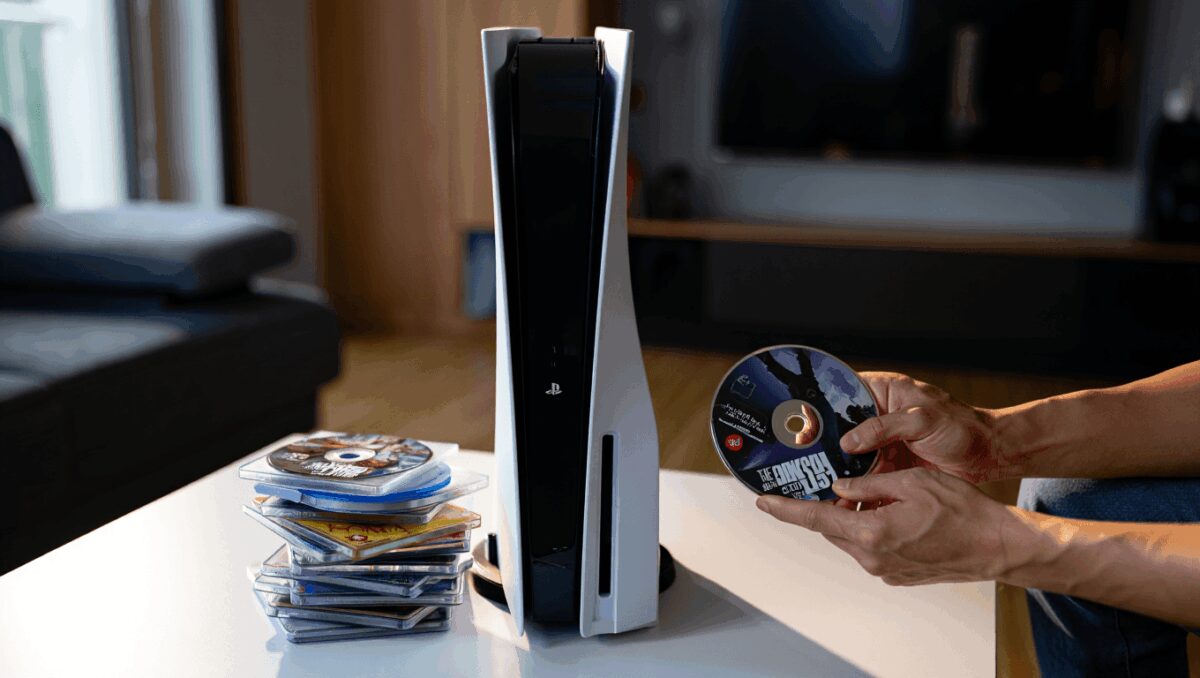
Sony’s announcement that PlayStation will stop producing physical game discs has reignited furious debate across social channels and gaming sites — and for good reason: the shift would reshape how millions of players buy, keep and share their games. With the company signaling an all-digital future as early as January 2028, the question is no longer hypothetical — it’s about what that future will look like for everyday owners.
Why this shift matters now
Splatoon Raiders review: colorful co-op raids deliver fast-paced loot action
DLSS 5 puts developers in control: Nvidia upscaler may outperform expectations
The move away from discs isn’t just a convenience play. As Sony itself has noted, digital purchases now make up the vast majority of PlayStation game sales, and they typically deliver higher margins than boxed copies. That commercial logic helps explain the decision, but it does little to calm immediate consumer concerns about long-term access, resale, and the ability to share games with people in your household.
EA Sports College Football 27 impresses gamers: one major flaw could make it a bad buy
PS6 price expectations: coworkers list the sums they’d shell out
Public reaction has been intense: social posts from fans, creators and even some outlet commentators have piled up questions and criticism. Sony’s limited public response so far has left many users feeling unheard — a gap that, if left unaddressed, could erode trust before the hardware change even takes effect.
Where lessons from PC gaming could help
PC storefronts have shown that a digital-only model can work if platforms compensate for the benefits people currently get from discs. Valve’s Steam, widely used as a reference point, keeps players buying with features that make digital ownership feel safe and flexible. Sony doesn’t have to copy Steam wholesale, but it could adopt similar consumer-friendly measures to reduce friction as discs disappear.
- More frequent, deeper sales: Regular seasonal events and steadier discounts encourage impulse buys and build large libraries. If PSN shifted to more aggressive, volume-driven discounting across older titles and mid-tier releases, users would be more likely to buy now rather than wait.
- Playtime-based refunds: A refund policy tied to how long a game has been played — for example, returns within a short-playtime threshold and a limited calendar window — gives buyers a reliable “try it” safety net and reduces buyer’s remorse.
- Expanded household sharing: Better account-family sharing that allows multiple household members to access a shared library (with sensible anti-abuse controls) would restore some of the social value that physical copies deliver today.
- Smarter discovery and wishlist alerts: Clearer sale calendars, genuinely useful wishlist notifications and data-driven recommendations would help players find games they want to buy — and make the digital storefront feel more tailored and useful.
- Transparent long-term guarantees: Public commitments about offline play, cloud-save continuity and the long-term availability of purchased downloads would address the single biggest worry among digital buyers: losing access to games they paid for.
How each change would affect players and Sony
Some of these fixes are low-cost for Sony but high-value for customers. More regular sales and better discovery tools can increase transaction volume and keep the PlayStation ecosystem active. Clear refund rules and family-sharing options answer consumer demands for fairness and flexibility without undermining the curated store model publishers prefer.
At the same time, the most critical item is trust. Public guarantees about library stability and offline use — backed by concrete technical and legal commitments — would materially reduce anxiety for collectors and casual buyers alike.
Practical next steps Sony could take
Below are pragmatic policy moves that would make an all-digital PlayStation more acceptable to most users. Each is realistic and can be phased in ahead of any hardware change.
- Announce a formal, public policy on long-term download availability and offline licensing for purchased titles.
- Introduce a clear, playtime-based refund window for digital purchases to mirror a “try before you commit” experience.
- Run more frequent and predictable sale events, plus improved wishlist alerts tied to price drops.
- Expand household sharing tools so families can pool a digital library without complex workarounds.
- Upgrade storefront discovery: better personalized recommendations, clearer sale calendars and robust wishlist behavior.
What Sony risks — and what it stands to gain
If Sony proceeds without addressing these concerns, backlash could linger and undermine customer loyalty. Conversely, moving proactively would not only quiet critics but also strengthen engagement: players who feel confident about purchases are more likely to spend, subscribe and remain within the platform ecosystem.
It’s worth noting that many PlayStation users will never fully switch away from physical media. Still, adopting a handful of user-centered policies would reduce friction for a large portion of the audience and make the all-digital future feel less like a loss and more like an evolution.
Bottom line
Sony’s pivot toward digital sales reflects current market realities, but it also creates real, immediate expectations among consumers. The company can keep the business benefits of a digital store while restoring much of the value that physical discs provided — if it prioritizes transparent guarantees, practical refund rules, stronger sharing options and improved discovery. Those changes would not only calm today’s reactionary noise but help build a more resilient relationship with players moving forward.

Annabelle Ink is a gaming journalist and lifelong gamer who lives and breathes video game culture. From console releases to esports tournaments, this dedicated journalist brings insider knowledge and genuine enthusiasm to every review and feature. Her expertise spans multiple gaming platforms, helping readers discover their next favorite game while staying connected to the pulse of the gaming industry.