
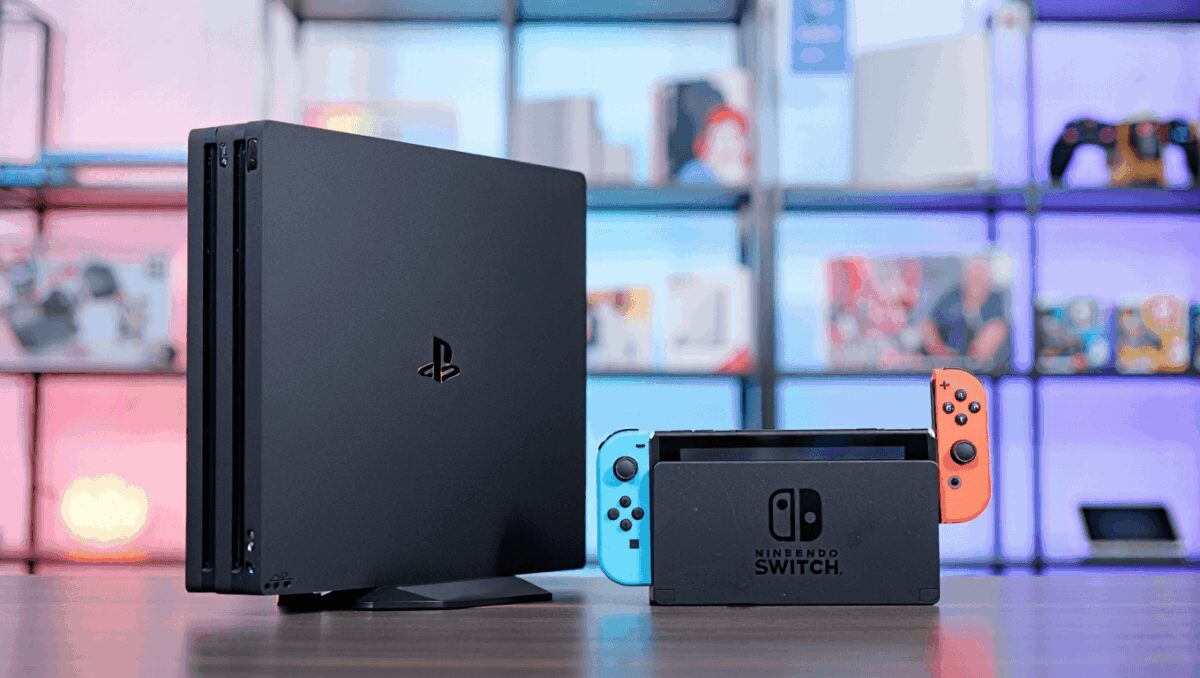
A global squeeze on memory chips is starting to reshape the electronics calendar: consoles and handhelds already facing supply turbulence could arrive later or cost more than manufacturers initially planned. Recent reporting and company statements suggest the crunch is pushing firms to weigh price increases and staggered launches for major gaming hardware.
Who’s affected and why it matters now
Wordle answer today: Feb 23 puzzle 1710 and quick hints to win
NYT Strands answers: quick hints and full solution for game 722, Feb 22
Bloomberg research and industry comments point to a simple driver: rising demand for high-capacity memory from data centers and AI specialists is tightening supplies for devices that need DRAM and NAND. That shortage has immediate consumer consequences — higher prices, intermittent stock, and the possibility that next-generation consoles will ship later than anticipated.
NYT Connections puzzle 987: solutions and quick tips for Sunday, Feb. 22
NYT Pips solutions: quick clues to beat the Feb 20 puzzle
The fallout is visible across the market. Valve has already acknowledged patchy availability for the Steam Deck because of limited memory supplies, and new reports say the same pressures are forcing strategic decisions at Nintendo and Sony.
Nintendo: price pressure on the Switch 2
According to industry reporting, Nintendo is evaluating whether to increase the retail price of the upcoming Switch 2. Company leaders have publicly flagged U.S. tariffs and climbing component costs — including memory — as challenges that could influence pricing and margins.
Nintendo executives have said they still have some buffer for the near term, with enough memory capacity to cover the immediate period. But that headroom may expire after 2026, leaving the firm to consider trade-offs between price, features, and launch timing.
Sony’s timing questions for PlayStation 6
Separately, Sony is reportedly debating whether to delay the PlayStation 6 until 2028 or 2029. Rumors that the console could pack substantially more RAM than its predecessor — figures as high as 32GB have circulated — add another layer of complexity, because higher memory specs are both costlier and harder to source right now.
Delays would change the competitive picture. While Microsoft is widely expected to press forward with a broad Xbox roadmap that includes traditional consoles, potential handheld hardware and third-party OEMs, Sony’s timetable could end up being more conservative if component availability remains tight.
What this means for gamers and the industry
Short-term effects are straightforward: some devices may be sold in limited batches, launch windows could slip, and manufacturers might pass part of the cost onto buyers. Over a longer horizon, developers and platform holders may adjust hardware targets — or stagger feature sets to match what’s available.
- Price pressure: Higher memory costs make richer hardware configurations more expensive to produce, increasing the likelihood of retail price rises for flagship consoles.
- Delayed launches: Companies may push back release dates to secure components or to avoid launching into an unstable supply environment.
- Intermittent availability: Expect launch-period shortages and periodic restocks for high-demand models like handhelds and premium consoles.
- Competitive shifts: Firms with diversified supply chains or OEM partners may be able to move faster; others could adopt more cautious schedules.
- Developer impact: Game makers may need to balance ambition with the installed base if high-end hardware is slower to reach players.
Where to watch next
Key signals to follow are official pricing announcements, supplier statements from memory manufacturers, and earnings updates from Nintendo, Sony and Microsoft. Public comments about supply agreements or long-term contracts with chip suppliers would indicate whether firms have secured the capacity they need.
For now, the memory market — driven by AI and cloud demand — remains the central variable. Its trajectory will set the pace for when and how new consoles and handhelds reach consumers, and whether they come with higher price tags or later release dates.

Annabelle Ink is a gaming journalist and lifelong gamer who lives and breathes video game culture. From console releases to esports tournaments, this dedicated journalist brings insider knowledge and genuine enthusiasm to every review and feature. Her expertise spans multiple gaming platforms, helping readers discover their next favorite game while staying connected to the pulse of the gaming industry.