
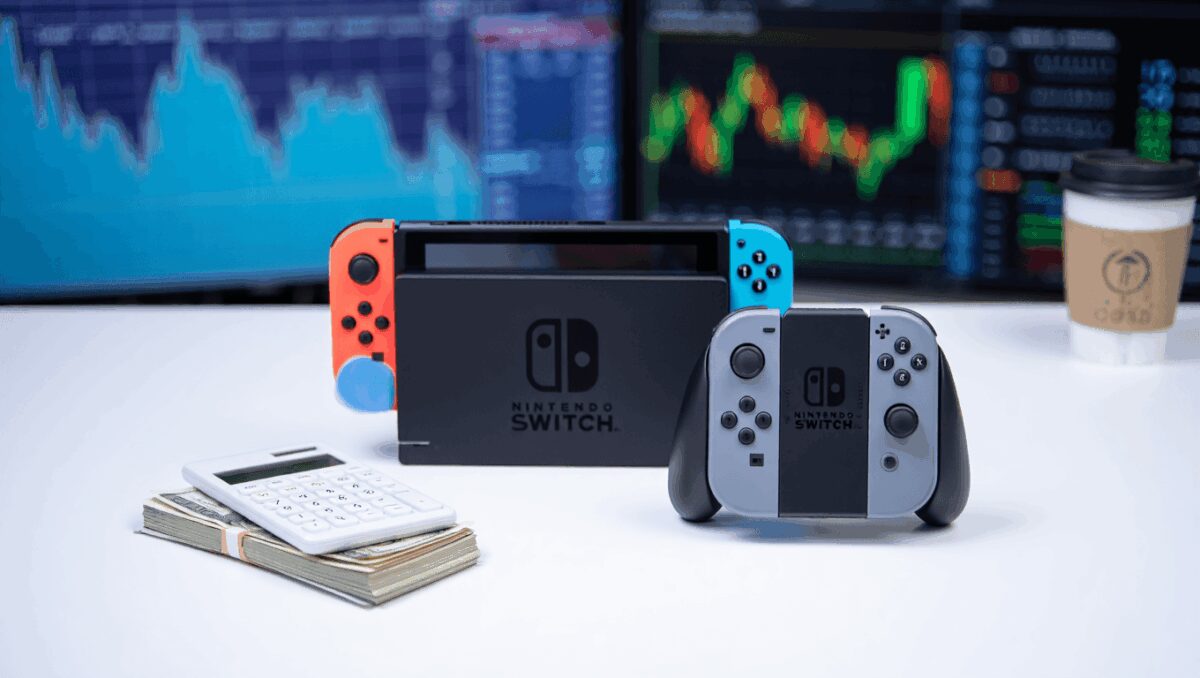
A new Bloomberg report suggests a surprising disconnect: investors are pressing Nintendo to charge more for the Switch 2 even as the console sells rapidly and new games arrive. That debate matters now because Nintendo’s upcoming earnings call could decide whether the company prioritizes immediate profit margins or longer-term consumer loyalty.
Revosim and Aston Martin reveal F1 sim upgrade: tester drives it rally-style to extremes
Steam Controller reservations start this weekend: Valve moves to block resellers
Shares of Nintendo recently slipped beneath Sony’s market value, a development that has raised eyebrows because sales figures and software momentum appear strong. Still, some investors are signaling concern that the current retail price isn’t leaving enough room for profit amid higher manufacturing and logistics costs.
Why pricing is under scrutiny
Analysts point to a simple commercial math problem: components and transport costs have risen in recent quarters, squeezing margins across the electronics industry. Sony has already adjusted pricing for the PS5, while Nintendo has kept the Switch 2 at the same $450 tag it launched with last year. That contrast appears to be driving investor frustration.
Nintendo Switch 2 price increase revealed: what buyers will now pay
Nintendo Switch 2 price rise imminent: snag 11 deals before costs jump
Industry observers also note how console economics work: hardware often loses money or barely breaks even, with the real profit coming from game sales, subscriptions and accessories. If hardware margins are too thin, investors worry the overall business model becomes vulnerable to supply shocks and price inflation.
For many players, the cost-of-living squeeze matters more. Rising household expenses can reduce discretionary spending on consoles and games, which could blunt the benefit of any short-term price increase.
What could Nintendo do next?
There are several realistic responses the company could consider, each with trade-offs for revenue, user goodwill, and long-term market share.
- Hold prices — keep the Switch 2 at $450 to sustain demand and avoid alienating consumers already feeling budget pressure.
- Raise the price — improve margins quickly but risk slowing unit sales and damaging brand perception.
- Adjust bundles — increase effective revenue per buyer by pairing hardware with higher-margin services or games rather than altering the base price.
- Cut costs — pursue manufacturing or component savings to protect margins without passing costs to consumers.
Each option carries different implications for investors and players. A price increase could boost earnings in the short term but might reduce the installed base that developers rely on. Conversely, keeping prices steady could preserve momentum but prolong pressure on operating margins.
Beyond pricing, Nintendo faces operational choices: prioritize production to meet strong demand, or throttle supply to protect margins. The company’s decision will shape not just its next quarter but how developers and retailers plan for the platform.
The Bloomberg piece doesn’t allege any immediate action from Nintendo, only that shareholders are unhappy with the current approach. Nintendo will have the chance to address those concerns during its earnings briefing on Friday, when investors will expect clarity on strategy and financial outlook.
At stake is a broader question: will Nintendo prioritize short-term stock performance or the long-term relationship with consumers who have driven the Switch 2’s rapid uptake? The answer will influence pricing strategies across the industry and the types of games and services Nintendo invests in next.

Annabelle Ink is a gaming journalist and lifelong gamer who lives and breathes video game culture. From console releases to esports tournaments, this dedicated journalist brings insider knowledge and genuine enthusiasm to every review and feature. Her expertise spans multiple gaming platforms, helping readers discover their next favorite game while staying connected to the pulse of the gaming industry.