
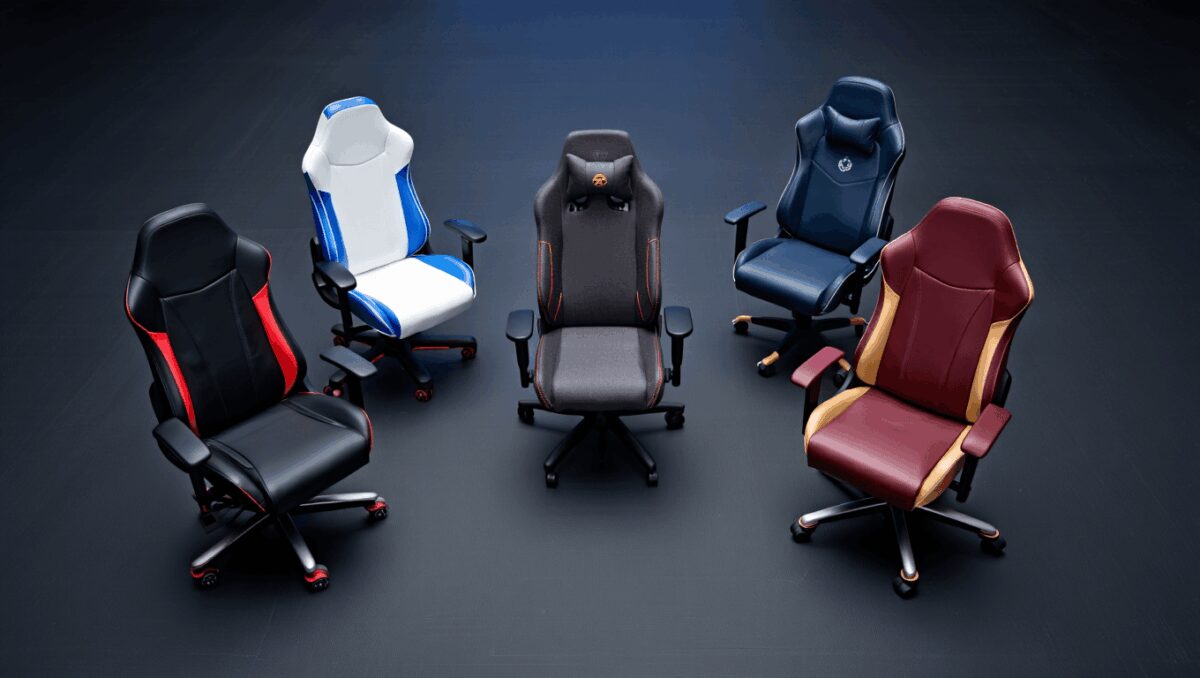
If you spend hours at a desk—whether for competitive gaming, streaming or hybrid work—the chair beneath you matters more than ever. Recent updates to flagship models have pushed ergonomics and materials forward, so choosing the right seat can reduce pain, improve focus and protect your posture over the long run.
Top picks: quick guide
Riot Games cuts half of 2XKO team just weeks after launch
What some people solve the Mini for reveals surprising habit
- Secretlab Titan Evo — Best overall: balanced comfort, durable construction and broad size choices.
- DXRacer Craft — Best value: solid build and many colorways at a mid-range price.
- Secretlab Titan Evo NanoGen — Best premium upgrade: upgraded cushioning and refined armrest foam.
- Razer Iskur V2 — Best for back pain: advanced lumbar mechanics aimed at sustained support.
- AndaSeat Kaiser 3 — Best for big & tall users: roomy fit and heavy-duty frame options.
- Herman Miller Vantum — Best mesh option: office-grade ergonomics with a gaming-focused headrest.
- Mavix M9 — Best ergonomics: office-chair roots with extensive adjustability and cooling seat foam.
Chumba Casino unlocks 200+ games with new sign-up bonus—try slots free today
Solid Snake joins Rainbow Six Siege in Metal Gear crossover
The models above were selected after hands-on testing and cross-comparison against peers in price and feature sets. If you want a quick reference, the table below points to the most relevant specs buyers typically ask about.
| Model | Typical price | Weight limit | Max recline |
|---|---|---|---|
| Secretlab Titan Evo | From ~$549 | ~290 lb | 165° |
| DXRacer Craft | ~$449–$499 | ~275 lb | 135° |
| Secretlab Titan Evo NanoGen | Premium (above base Titan) | ~396 lb | 165° |
| Razer Iskur V2 | ~$649 | ~299 lb | 152° |
What sets the latest chairs apart
Two trends are shaping the current crop of gaming chairs. First, manufacturers are borrowing more from high-end office seating: expect refined lumbar systems, multi-directional armrest mechanisms and longer warranties. Second, material technology has improved—memory and adaptive foams, plus more breathable knit or mesh backs—so chairs can be both plush and supportive without feeling hot after long sessions.
That matters because gaming has moved beyond short bursts. Marathon streams, extended creative work blocks and remote meetings make a chair an all-day tool, not a weekend accessory. Choosing a model with proper lumbar support and the right size for your frame is now essential for injury prevention, not just comfort.
Highlights from the roundup
The Secretlab Titan Evo remains the most versatile choice: a wide range of sizes and modular options make it a strong fit for many users. The higher-end Titan Evo NanoGen emphasizes upgraded seat cushioning and improved armrest padding for people who prefer a softer, more conforming surface.
Razer’s Iskur V2 has been reworked around its back support, trading flashy aesthetics for a more mechanically sophisticated lumbar system that can be fine-tuned while seated. That makes it particularly useful if you already have low-back sensitivity or if you shift positions often during a session.
For users who need extra room, the AndaSeat Kaiser 3 offers generous dimensions and durable hardware. Meanwhile, the Herman Miller Vantum is a bridge between gaming and office chairs: its knit back and thoracic support give it an office-friendly look while still serving gamers who want a headrest and more recline. The Mavix M9 leans into pure ergonomics with a cooling gel seat and a webbed lumbar system that adapts to movement.
How we evaluated these chairs
We focused on factors that influence daily use: build quality, adjustability, comfort over extended sessions, and the ease of assembly. Testers spent multiple days using each chair for a mix of gaming and productivity tasks to assess durability and comfort retention. Practical details—like whether a headrest is adjustable or magnetic, how armrest tops feel after hours, and whether a lumbar mechanism is intuitive—were all part of the scoring.
Practical buying advice
- Match size to your body: seat depth and height range matter. If your feet don’t rest flat or the seat crushes the back of your knees, fatigue will follow.
- Prioritize adjustability: 4D/6D armrests and a multi-axis lumbar system let you fine‑tune support for different activities.
- Check materials: mesh or knit backs improve airflow, while premium leatherette and advanced foams offer a softer, longer-lasting cushion.
- Think long term: warranty length and repairable/replaceable components matter more than initial discounts.
- Test posture: if possible, sit for 10–20 minutes before buying to evaluate lumbar support and seat comfort.
There’s no single “best” chair for everyone. The right pick depends on how you sit, whether you favor recline or a more upright posture, and how much you want to spend. But by focusing on fit, proven lumbar mechanics and durable materials you can avoid the most common mistakes—buying a chair that looks good in photos but fails after a few months of daily use.
If you’re planning an upgrade this season, consider trying the models above in person where possible, and give extra weight to chairs that offer modular parts or long warranties. In a market where incremental engineering updates are arriving every year, investing in a chair that supports your body will pay dividends in comfort and productivity.

Annabelle Ink is a gaming journalist and lifelong gamer who lives and breathes video game culture. From console releases to esports tournaments, this dedicated journalist brings insider knowledge and genuine enthusiasm to every review and feature. Her expertise spans multiple gaming platforms, helping readers discover their next favorite game while staying connected to the pulse of the gaming industry.