
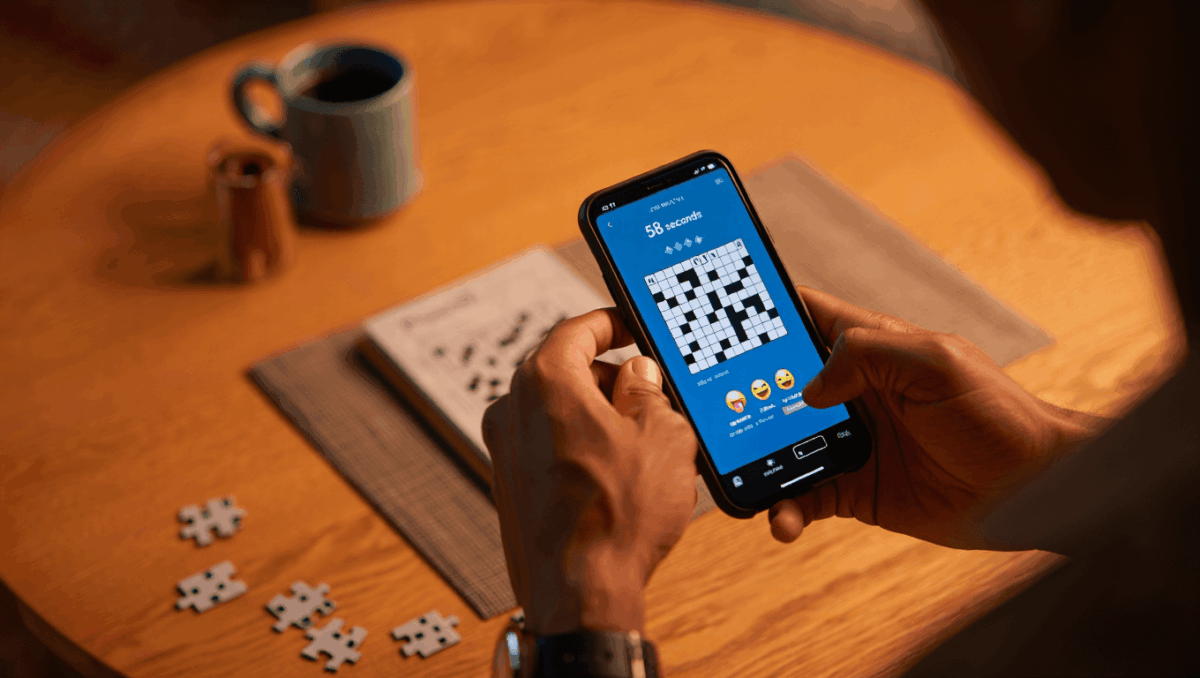
Today’s NYT Mini Crossword reveals something surprising about why millions solve it daily. The clue asks, ‘What some people solve the Mini for‘ and the answer tells the real story: SPEED. This simple word unlocks a fascinating look at human behavior.
🔥 Quick Facts
- The Answer: Speed, revealed in February 16, 2026’s NYT Mini puzzle
- User Motivation: Over 800-day streaks tracked by dedicated solvers without using help features
- Brain Chemistry: Each solved clue triggers dopamine release, creating a reward cycle
- Daily Target: Many players aim to complete the Mini in under 60 seconds
Why Speed Solving Has Become a Daily Habit
Riot Games cuts half of 2XKO team just weeks after launch
Chumba Casino unlocks 200+ games with new sign-up bonus—try slots free today
The NYT Mini Crossword is only 5 squares by 5 squares, specifically designed as a quick mental warm-up. Many solvers treat it as a personal speed challenge, timing themselves each morning to see if they can beat yesterday’s record. This competitive drive transforms a simple word puzzle into an addictive daily ritual.
Social media accounts dedicated to crossword streaks have thousands of followers sharing their consecutive day counts. People proudly announce 100-day streaks, 300-day streaks, even 800-day records. The speed component adds urgency to what would otherwise be a leisurely puzzle.
The Brain’s Reward System and Puzzle Solving
Solid Snake joins Rainbow Six Siege in Metal Gear crossover
PlayStation Plus games drop Spider-Man 2 and indie hits this month
Dopamine, your brain’s reward chemical, plays the starring role in this habit. Research shows that each solved clue provides a measurable dopamine hit, immediate and satisfying. Experts explain that this cycle mirrors how the brain craves continuous rewards. According to findings on puzzle psychology, the ‘Eureka’ moment of solving a clue triggers neurological pleasure responses.
The Mini’s quick format means solvers get multiple dopamine pulses in under 60 seconds. This efficient reward system explains why the puzzle feels so compulsive. Your brain literally wants to come back tomorrow for the next hit.
Speed Records and Daily Motivation Metrics
| Motivation Factor | How It Drives Speed Solving |
| Current Streak | Visible counter motivates daily participation before midnight |
| Max Streak Record | Personal best displayed as achievement badge |
| Solve Time Tracker | Gamification element comparing daily performance |
| No Check/Reveal Rule | Honorable solve counted only without hints or help features |
The NYT Games interface tracks your current streak, your max streak, and your solve time. This gamification design is deliberate. Each metric becomes a personal challenge, pushing solvers to beat their clock. Some communities even host speed-solving tournaments where players compete for the fastest solve times.
“Each solved clue provides a dopamine hit, immediate, small, and measurable, conditioning the brain to crave the next reward. This cycle mirrors how video games keep players coming back.”
— Brain Science Experts, Psychology of Puzzle Solving Research
The Surprising Psychology Behind Speed Challenges
Why do millions of people care about solving a 5-by-5 grid in under a minute every single day? The answer reveals deeper human psychology. Streaks activate achievement motivation, a core human drive. When daily consistency becomes part of your identity, missing a day feels like failure.
Speed solving adds another layer: mastery and flow state. Players who solve regularly enter a zone where puzzle-solving becomes automatic. Their fingers move without conscious thought. The brain thrives in this state. Combined with the dopamine rewards, this creates an almost unbreakable habit. Experts compare the cycle to how habit-forming games keep users engaged through frequent, measurable progress.
Is Your Mini Speed Habit Something to Reconsider?
While speed-solving the NYT Mini offers genuine cognitive benefits and stress relief, experts suggest balance matters. Researchers from brain health institutions confirm that puzzle engagement strengthens neural pathways for memory, language, and problem-solving. However, the speed component can shift healthy engagement into compulsive behavior.
The question becomes personal: Are you solving for the cognitive exercise and daily mental sharpness, or primarily for the streak counter? Being aware of your motivation helps separate beneficial brain training from dopamine-driven compulsion. Many satisfied solvers maintain their streaks while keeping realistic perspectives on the habit’s role in their lives.
Sources
- Mashable – NYT Mini Crossword answers and daily puzzle coverage
- National Geographic Health – Research on crossword puzzles and cognitive benefits
- Brain Science Studies – Dopamine rewards and puzzle-solving psychology research

Annabelle Ink is a gaming journalist and lifelong gamer who lives and breathes video game culture. From console releases to esports tournaments, this dedicated journalist brings insider knowledge and genuine enthusiasm to every review and feature. Her expertise spans multiple gaming platforms, helping readers discover their next favorite game while staying connected to the pulse of the gaming industry.