
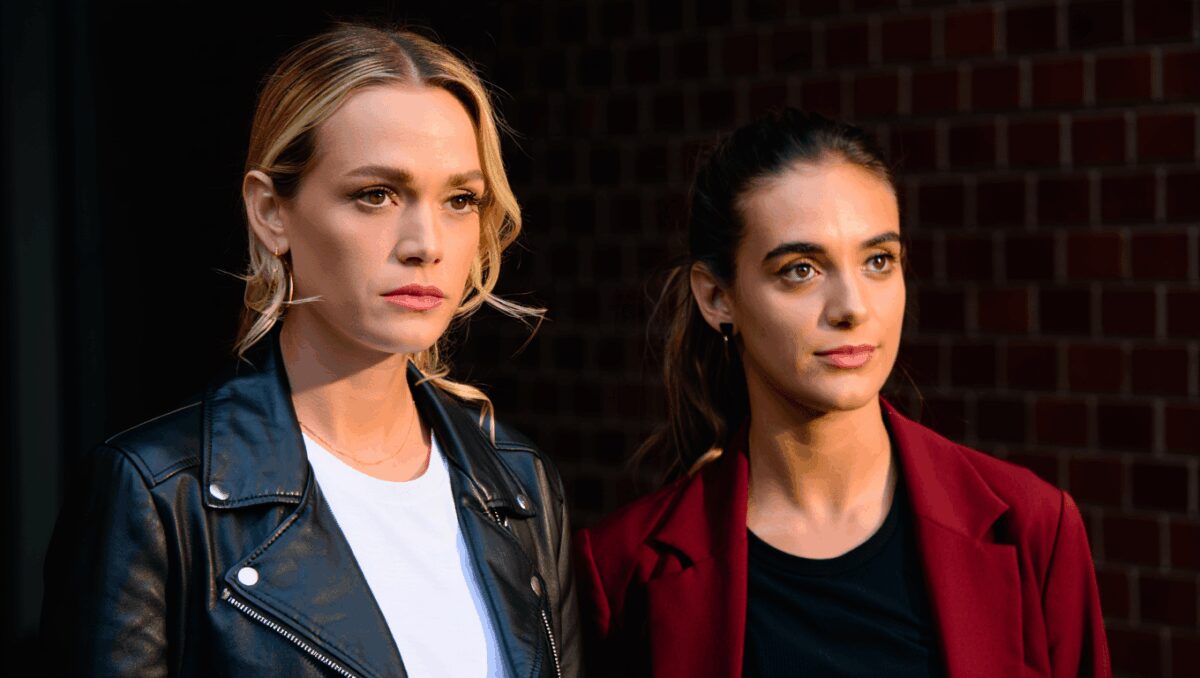
David Cronenberg’s compact but unforgettable turn in the new sequel Ready or Not 2 has reignited interest in pairing contemporary horror with the director’s earlier work. With the sequel now in circulation, a rewatch strategy matters: some viewers immediately reach for The Fly, but a different Cronenberg title offers a closer tonal match and a richer aftertaste.
Buffy reboot revival still possible: Ready or Not 2 directors express interest
The Mummy 4 teaser hints at chaotic shoot plans from Ready or Not 2 directors
The cameo — brief but pointed — underlines why Cronenberg’s themes still resonate with modern genre filmmaking. Ready or Not 2 trades in familial rituals, class violence and grotesque set-pieces; those concerns map cleanly onto one of Cronenberg’s most unnerving films, where the boundary between media and the body collapses.
Why Videodrome makes a stronger double bill than The Fly
Fans and actors alike often point to The Fly as the obvious Cronenberg companion for a movie night, and for good reason: its physical metamorphosis is iconic. But if you’re looking for a film that echoes Ready or Not 2’s mixture of social satire, psychological disturbance and black comedy, Videodrome dovetails more tightly.
Pixar Hoppers not a Zootopia 2 clone: insiders say it could be a box office hit
Project Hail Mary review: Ryan Gosling dazzles in emotional sci-fi as alien co-star steals scenes
Released three years before The Fly, Videodrome follows a television executive who discovers a violent, mysterious broadcast that warps perception and identity. Its anxiety about media influence and the way spectacle corrodes empathy feels especially relevant in an era of viral outrage and reality-entertainment. The film’s hallucinatory logic and corrosive humour make it a better tonal companion to the sequel’s blend of carnage and commentary.
Performance-wise, Videodrome is notable: James Woods anchors the narrative with brittle intensity, and the film features a striking turn from Debbie Harry that many viewers still mention today. Those elements—ambiguous reality, dark wit and memorable acting—are the connective tissue to Ready or Not 2’s house-of-horrors set pieces and character-driven mayhem.
- Thematic alignment: Both films interrogate the spectacle of violence and the social systems that permit it.
- Psychological tone: Videodrome’s surreal, paranoid feel complements Ready or Not 2’s blend of absurdity and dread.
- Lasting impact: Videodrome lingers after the credits in a way that reshapes how you view on-screen violence.
- Performance highlights: James Woods and Debbie Harry provide odd, compelling counterpoints to Ready or Not 2’s cast energy.
- Conversation starter: The double bill prompts discussion about media, class rituals and the ethics of spectacle—topics that matter now.
By contrast, The Fly offers a powerful, intimate study of bodily horror and grief; it’s visceral and wrenching, but more narrowly focused on transformation than on institutional spectacle. If you want a night that keeps you laughing, unsettled and thinking about how entertainment frames cruelty, Videodrome usually delivers more of the right notes.
Where to watch: Videodrome is available on major digital platforms in many regions—check your preferred streaming store or rental service for current availability.
Pairing Ready or Not 2 with Videodrome isn’t just an academic exercise. It reshapes how you interpret the sequel’s jokes and shocks, turning a bloody house game into a conversation about media, authority and the strange pleasures audiences take in watching one another break. For viewers curious about what horror can reveal about contemporary culture, this double bill is worth a late-night seat.

Jessica Morrison is a seasoned entertainment writer with over a decade of experience covering television, film, and pop culture. After earning a degree in journalism from New York University, she worked as a freelance writer for various entertainment magazines before joining red94.net. Her expertise lies in analyzing television series, from groundbreaking dramas to light-hearted comedies, and she often provides in-depth reviews and industry insights. Outside of writing, Jessica is an avid film buff and enjoys discovering new indie movies at local festivals.