
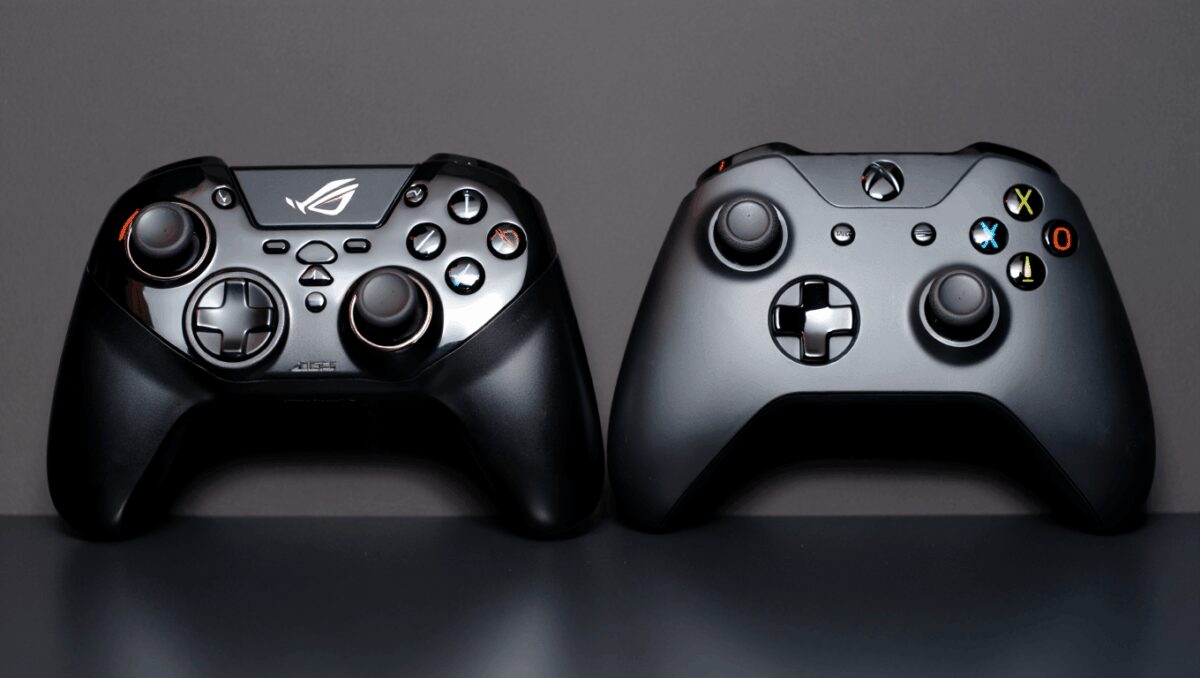
The controller market is shifting from incremental tweaks to a real hardware leap: magnetic sensing is replacing old-school analog parts, and Asus’s ROG Raikiri II is one of the clearest examples of that change. By putting **TMR** sensors into both thumbsticks and triggers and pairing them with a 1,000Hz polling rate, this gamepad promises sharper aim, finer steering and longer sessions without wrist strain—features that matter whether you’re chasing esports rankings or sinking hours into single-player worlds.
What the Raikiri II brings to the table
Nineties trends return: Gen Z is driving one massive comeback
AMD FSR 4.1 upscaling lands on older Radeon RX cards: smoother framerates for gamers
The Raikiri II positions itself as a high-performance, Microsoft-licensed Xbox-style controller built for precision. It supports wired, Bluetooth and a 2.4GHz wireless dongle, and exposes a range of customization options through a browser-based app rather than a local program. Hardware highlights include magnetic (TMR) sensors in both sticks and triggers, micro-switch face buttons and rear paddles, plus a claimed long runtime on a single charge.
| Price | $189 / £180 |
| Connectivity | Bluetooth, 2.4GHz wireless, wired (USB-C) |
| Compatibility | Xbox Series X|S, Windows 11 |
| Face layout | ABXY, asymmetrical sticks, Xbox home button |
| Triggers | TMR dual-mode (short-travel micro-switch / full travel) |
| Thumbsticks | TMR |
| Polling rate | 1000Hz |
| Rear inputs | 4 programmable micro-switch buttons |
| Haptics | 2 vibration motors |
| Dimensions | 6.1 × 4.13 × 2.55 in |
| Weight | 12.16 oz |
| Battery (rated) | Up to 50 hours (2.4GHz, no vibration / RGB); includes charging dock |
Quick snapshot
- What it is: A premium third‑party Xbox-style controller built around TMR sensing.
- Who should consider it: Competitive players and anyone who values ultra-precise input and long playtime.
- Standout strengths: Magnetic sensors in sticks and triggers, deep customization via web app, long battery life.
- Primary drawbacks: Higher price tier and a charging dock that feels plasticky.
Design and comfort
The Raikiri II borrows the ergonomic silhouette many players expect from high-end controllers: rounded grips, balanced weight and textured surfaces where fingers rest. At roughly the same mass as other premium pads, it feels substantial without being tiring during lengthy sessions.
Rear micro-switch paddles are tucked low on the grips so they’re easy to reach without accidental presses—an important detail that keeps muscle memory consistent in competitive play. In hands of average to larger size the controller sits naturally; after extended play it showed few signs of inducing fatigue.
How the new sensing changes gameplay
Magneto-resistive sensing—listed here as TMR—is the technical heart of the Raikiri II. Compared with traditional potentiometer sticks and many Hall-effect implementations, TMR detects smaller movements and returns to neutral more crisply. That translates into tighter aim adjustments in shooters and more controlled steering in racing sims.
On asphalt and asphalt-adjacent tracks, the fine control paid off: small stick deflections produced predictable, incremental steering corrections, making late-braking turns and tiny corrections feel deliberate rather than twitchy. In precision shooting scenarios the sticks allowed for subtle micro-adjustments that improved headshot consistency during scoped encounters.
The triggers are notable because this model brings TMR sensing to the trigger assembly as well. A pair of mechanical switches lets you toggle between a short, clicky actuation and a full-travel analog range. That flexibility means you can set the controller up like a quick-fire arcade-style input for some shooters, then flip it to analog mode for nuanced throttle and brake control in driving games.
Input quality and latency
Face buttons and rear micro-switches register with satisfying immediacy; combined with the controller’s 1000Hz polling, input felt responsive and consistent. In testing there were no obvious hiccups or lag on the wireless 2.4GHz connection, and wired mode behaves predictably for competitive setups.
Customization without installing software
Rather than pushing a desktop app, Asus uses a browser-based configuration portal. Profiles, trigger travel points, stick deadzones and response curves, paddle mapping, vibration intensity and RGB settings can all be changed in the web interface. For players who move between devices or don’t want extra software on their PC, this approach is convenient and less intrusive.
Battery life and charging
Asus rates the Raikiri II at about 50 hours under conservative settings (2.4GHz, vibration and lighting off), which is competitive among premium controllers. For many users that means multiple days or weeks of play before a recharge, reducing interruptions for long campaigns or marathon practice sessions.
The controller ships with a display-style charging dock and also supports USB‑C charging. The dock adds convenience for storage and top-up charging, but its construction leans toward light plastic and the grip base can feel underwhelming for a controller at this price point.
Where it falls short
Price is the most obvious barrier: the Raikiri II sits in the same general cost bracket as other high-end controllers, so buyers must decide whether the added accuracy and features justify the premium. A growing number of lower-cost gamepads offer many comforts and decent build quality, though they usually lack TMR hardware.
Also, while the charging dock is useful, it does not match the premium finish of the controller itself—an odd mismatch in an otherwise well-packaged product.
Verdict: who should buy it
If you prioritize input precision and want a single controller that adapts to multiple game types, the Raikiri II makes a strong case. Its combination of **TMR** sticks and triggers, responsive micro-switches, high polling rate and long battery life is rare in one package. That makes it particularly attractive to competitive players and serious enthusiasts on PC and Xbox.
For budget-minded players or those satisfied with standard analog hardware, several less expensive alternatives can handle everyday gaming just fine. But for anyone chasing tighter aim, improved throttle control or the feel of instant actuation during high-stakes matches, the Raikiri II is a compelling option—provided the price and plasticky dock don’t dissuade you.

Annabelle Ink is a gaming journalist and lifelong gamer who lives and breathes video game culture. From console releases to esports tournaments, this dedicated journalist brings insider knowledge and genuine enthusiasm to every review and feature. Her expertise spans multiple gaming platforms, helping readers discover their next favorite game while staying connected to the pulse of the gaming industry.