
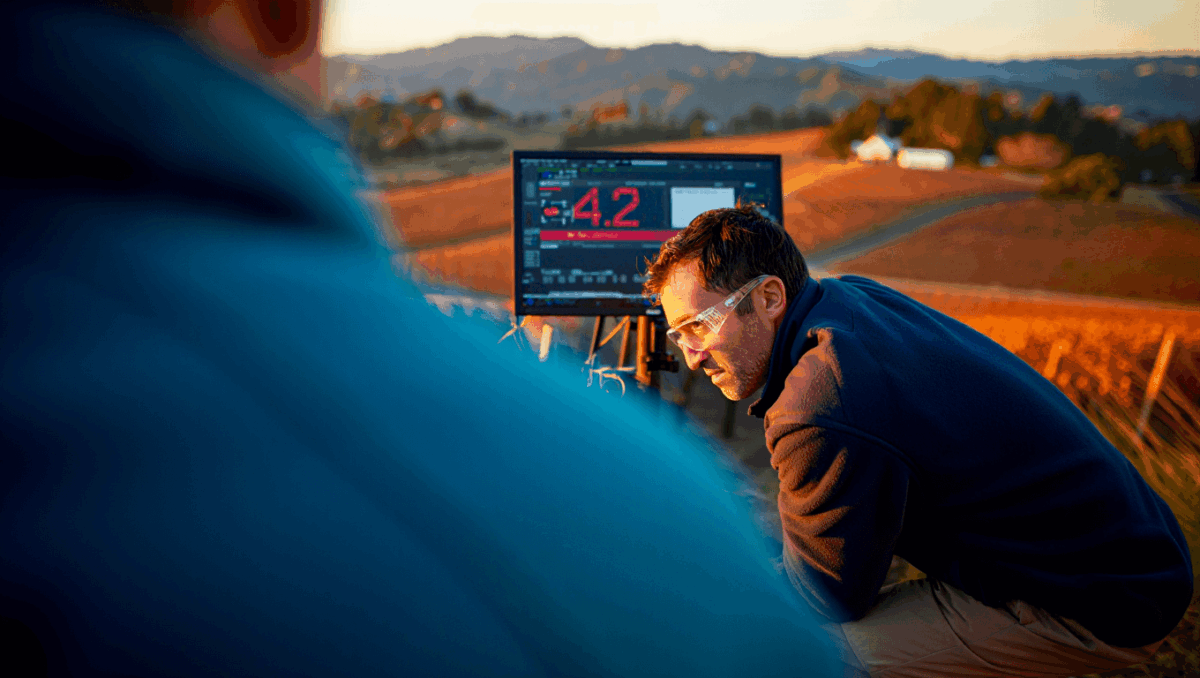
A 4.2 magnitude earthquake jolted Northern California early Thursday morning in a shallow tremor that rattled the Bay Area. The quake struck at midnight near Cloverdale, shaking parts of Sonoma, Mendocino, Lake, and Napa counties. More than 185 residents reported feeling the strong shaking.
🔥 Quick Facts
- Magnitude: 4.2, recorded by the United States Geological Survey
- Time: 12:00 AM PST on Thursday, January 8, 2026
- Location: 7.6 miles northeast of Cloverdale, near The Geysers geothermal area
- Depth: 1.42 miles shallow, increasing felt intensity across the region
Early Morning Tremor Shakes Sonoma County
Riot Games cuts half of 2XKO team just weeks after launch
What some people solve the Mini for reveals surprising habit
The 4.2 magnitude earthquake struck Sonoma County just after midnight on Thursday, January 8, 2026. According to the United States Geological Survey, the epicenter was located 7.6 miles northeast of Cloverdale and 7.7 miles southwest of The Geysers, an area known for frequent seismic activity and geothermal power generation. The shallow depth of 1.42 miles contributed to the earthquake being felt widely across Northern California.
The USGS confirmed the earthquake had 185 reported felt accounts as of 5:45 AM, with residents in Vallejo and surrounding communities experiencing the strong shaking. The tremor affected four counties across the region, demonstrating the widespread nature of this moderate earthquake.
Affected Communities Report Strong Shaking
Chumba Casino unlocks 200+ games with new sign-up bonus—try slots free today
Solid Snake joins Rainbow Six Siege in Metal Gear crossover
Sonoma County residents were the most heavily impacted, with the epicenter occurring in a rugged, geothermal-rich area near The Geysers and the Aidlin geothermal power plant. The earthquake shook portions of Mendocino, Lake, and Napa counties as well. Residents reported feeling strong shaking despite the early morning hour.
The shallow depth of the quake, at just 1.42 miles below the surface, meant seismic waves traveled efficiently to surrounding areas. As of the latest reports, no immediate damage or injuries were reported from the incident.
Earthquake Details and Regional Impact Analysis
Northern California experiences frequent seismic activity due to its location near major fault lines and geothermal zones. The 4.2 magnitude earthquake falls within the moderate range, typically capable of causing light damage in buildings not designed to earthquake standards. The shallow epicenter meant residents felt stronger shaking than they would from a deeper earthquake of the same magnitude.
| Earthquake Detail | Measurement |
| Magnitude | 4.2 |
| Depth | 1.42 miles (2.3 km) |
| Time | 12:00 AM PST, January 8, 2026 |
| Epicenter Location | Near Cloverdale, Sonoma County |
The United States Geological Society monitors seismic activity in Northern California continuously. This earthquake represents typical activity for the region, which sits atop complex geothermal and fault systems. Residents in Sonoma, Mendocino, Lake, and Napa counties all reported the shaking.
“An earthquake with a magnitude of 4.2 shook the northern Bay Area early Thursday morning.”
United States Geological Survey, Official Report
Geothermal Zone Connection and Seismic Patterns
The epicenter near The Geysers points to the earthquake’s connection with geothermal activity. The Geysers geothermal field is California’s largest source of geothermal energy, with seismic activity occurring regularly in the area. This 4.2 magnitude event reflects ongoing stress release in the region’s complex crustal system.
Researchers note that shallow earthquakes in geothermal zones are common occurrences. The 1.42-mile depth suggests the energy release came from relatively shallow subsurface layers. The Geysers region experiences hundreds of small earthquakes annually, though larger events like this one receive broader attention.
What Can Residents Expect in Days Ahead?
USGS experts expect typical aftershock patterns following a magnitude 4.2 earthquake, typically involving smaller tremors gradually decreasing in frequency. Residents should remain alert for possible lighter earthquakes in the coming hours, though most will likely go unnoticed. Preparedness remains essential for Northern California communities.
The Bay Area sits in a seismically active region, making earthquake awareness and preparedness critical. Homeowners and building managers are encouraged to review earthquake safety measures and ensure structures are up to code. The USGS continues monitoring the Cloverdale area for additional seismic developments.
Sources
- San Francisco Gate – Real-time earthquake coverage and USGS data analysis
- San Francisco Chronicle – Regional impact and community reports from Sonoma County
- United States Geological Survey – Official magnitude, depth, and epicenter measurements

Annabelle Ink is a gaming journalist and lifelong gamer who lives and breathes video game culture. From console releases to esports tournaments, this dedicated journalist brings insider knowledge and genuine enthusiasm to every review and feature. Her expertise spans multiple gaming platforms, helping readers discover their next favorite game while staying connected to the pulse of the gaming industry.