
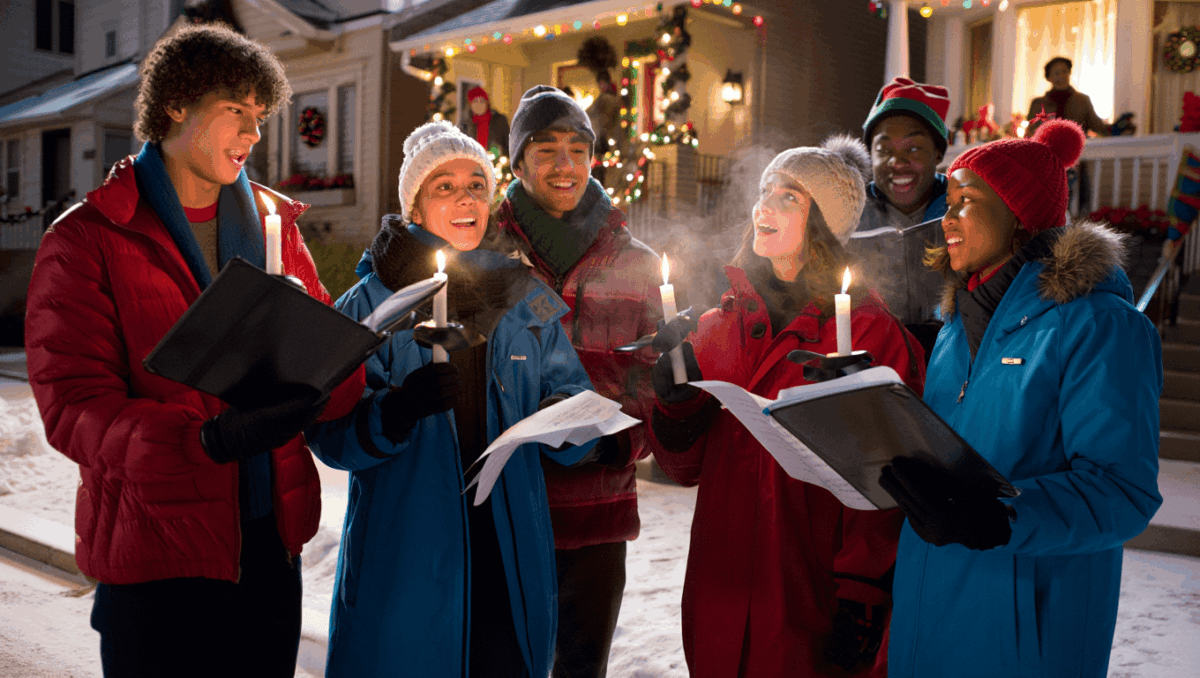
A Pew Research Center poll reveals a startling statistic about Christmas caroling in America: only 16% of adults participate in this festive tradition. While 80% of Americans still put up Christmas trees, the beloved practice of singing carols door-to-door has dramatically faded from holiday celebrations. This striking contrast sparks important questions about how Christmas traditions evolve and what we might be losing.
🔥 Quick Facts
- Only 16% of American adults go Christmas caroling according to Pew Research Center survey
- Nearly 80% of Americans still put up Christmas trees, showing massive gap
- Caroling interest has declined by approximately 66% in recent years
- Holiday tradition originated in 14th century England and evolved through the centuries
The Remarkable Decline of a Beloved Tradition
Riot Games cuts half of 2XKO team just weeks after launch
What some people solve the Mini for reveals surprising habit
Christmas caroling represents one of the most dramatic shifts in how Americans celebrate the holidays. Historical records show that just decades ago, caroling was far more widespread and anticipated. Today, with only one in six adults participating, the tradition has become almost a rarity in American neighborhoods. This decline reflects deeper changes in how families approach holiday celebrations and community engagement.
The statistic becomes even more striking when compared to other Christmas activities. While 79% of Americans purchase or display Christmas trees and most households exchange gifts, caroling participation suggests a fundamental shift away from communal, outdoor holiday expressions. Younger generations, in particular, appear less likely to embrace this time-honored custom.
Chumba Casino unlocks 200+ games with new sign-up bonus—try slots free today
Solid Snake joins Rainbow Six Siege in Metal Gear crossover
Researchers tracking two-thirds decline in interest have noted this isn’t merely a temporary shift. Instead, it signals changing attitudes toward public holiday expression and community participation during the festive season.
Why Are Fewer Americans Taking to the Streets with Song?
Several factors explain why caroling has faded from American holiday traditions. Increased urbanization and changing neighborhood dynamics mean people know their neighbors less frequently than previous generations did. Security concerns and privacy consciousness also discourage the door-to-door interaction that caroling requires. Additionally, declining religious affiliation has impacted participation since many traditional carols carry religious themes and meanings.
Modern technology offers competing alternatives for holiday expression. Social media, streaming services, and digital communication allow people to spread seasonal cheer without leaving home. Virtual holiday events and online carol singing have become more attractive options for busy Americans juggling work and family obligations. Cold weather and scheduling conflicts present practical barriers that didn’t prevent engagement as effectively in earlier decades.
| Activity | American Participation Rate |
| Christmas Tree Display | 79-80% |
| Christmas Caroling | 16% |
| Christmas Celebration (General) | 88% |
| Remembered Caroling as Child | Approximately 33% |
The Historical Roots of an Ancient Christmas Custom
Christmas caroling boasts a surprisingly deep history. Origins trace back to 13th and 14th century England through a tradition called “wassailing,” where people went door-to-door singing and sharing drinks with neighbors. The practice gained spiritual significance when Franciscan friars incorporated religious hymns into caroling traditions during the 14th century. By the time Christmas established itself firmly in American culture during the late 1800s, caroling had become a deeply ingrained holiday practice.
Victorian-era imagery cemented caroling’s place in Christmas nostalgia. Illustrations of groups singing in snow-covered neighborhoods became iconic holiday representations. Charles Dickens and other cultural figures popularized the romantic notion of community caroling as the ultimate expression of Christmas spirit and goodwill. This cultural foundation made caroling feel essential to authentic holiday celebration for generations.
Modern Research Shows Singing Together Offers Real Health Benefits
Despite declining participation, recent scientific research has highlighted unexpected benefits of caroling that might revive interest in the tradition. Studies show singing with others reduces stress through social connection and shared musical expression. A 2015 study involving strangers singing together for an hour documented measurable improvements in emotional well-being and stress reduction. Group singing increases oxytocin, the hormone responsible for bonding and feelings of connection.
BBC research from 2025 confirms that singing provides brain boosts, improves respiratory health, and reduces pain perception. People with COPD and other respiratory conditions have shown improvement through structured singing practice. The communal aspect of caroling amplifies these benefits beyond solo singing, creating what scientists call a “feel-good resonance” among participants.
Caroling specifically engages multiple health mechanisms simultaneously. Physical movement through neighborhoods increases exercise. Cold air exposure strengthens respiratory function. Social interaction combats loneliness and depression. Musical engagement activates multiple brain regions involved in memory and emotion. For Christmas carolers, these benefits arrive as pleasant byproducts of celebrating tradition rather than conscious health pursuits.
Can Christmas Caroling Experience a Renaissance in Modern America?
The 16% participation rate leaves substantial room for revival. Organized groups like the Yuletide Carolers and similar organizations keep the tradition alive through structured events and performances. These modern caroling groups adapt traditional practices for contemporary contexts. They perform at hospitals, nursing homes, and community centers where audiences actively welcome the festive entertainment. Some groups combine traditional hymns with contemporary holiday music, appealing to broader audiences.
Younger participants often join through church youth groups, school choirs, and community organizations rather than informal neighborhood traditions. Professional and semi-professional caroling troupes have emerged as alternative expressions of this aged custom. Corporate holiday parties and community festivals increasingly feature hired carolers, transforming participation from voluntary neighborhood tradition into a service-oriented activity. This shift reflects changing economic conditions and time availability for unpaid festive pursuits.
Revival potential exists through intentional community-building efforts. Neighborhoods consciously organizing caroling events with theme parties, decorated sites, and refreshments create modern incentives for participation. Combining caroling with charitable fundraising or service objectives attracts participation from people motivated by giving and community impact rather than tradition alone. What once required nothing but singers and songs now succeeds through creative packaging and clear community benefit.

Annabelle Ink is a gaming journalist and lifelong gamer who lives and breathes video game culture. From console releases to esports tournaments, this dedicated journalist brings insider knowledge and genuine enthusiasm to every review and feature. Her expertise spans multiple gaming platforms, helping readers discover their next favorite game while staying connected to the pulse of the gaming industry.