
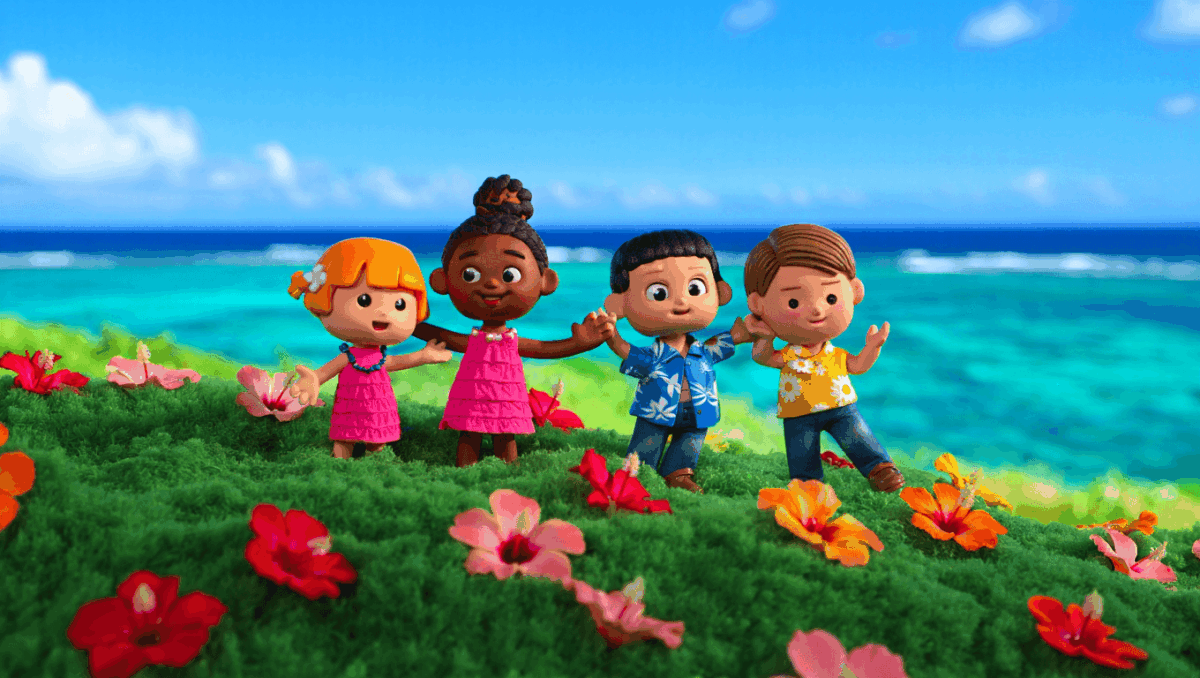
Nintendo finally delivered on a promise over a decade in the making. Tomodachi Life: Living the Dream arrives April 16, 2026 with same-sex relationships and non-binary Miis that fans have demanded since 2014.
🔥 Quick Facts
- Release Date: April 16, 2026 for Nintendo Switch and Switch 2
- Same-Sex Relationships: Confirmed, supporting gay, lesbian, bisexual, and pansexual options
- Non-Binary Support: Players can create non-binary Mii characters for the first time
- Wait Time: 13 years since original 2013 release in Japan
A Historic Win for LGBTQ+ Gaming
Riot Games cuts half of 2XKO team just weeks after launch
What some people solve the Mini for reveals surprising habit
The gaming community erupted when Nintendo officially confirmed that next chapter would embrace same-sex romance. This marks a profound shift for the company. Back in May 2014, Nintendo issued a formal apology for excluding same-sex relationships from the original game. The company claimed the feature didn’t fit the game’s “quirky and fun” direction. Now, Living the Dream proves the opposite.
According to reporting, players can date whoever they want, or nobody at all. The game accommodates aromantic, asexual, and all orientations. This represents substantial progress for major publishers in mainstream gaming.
What’s New in Living the Dream
Chumba Casino unlocks 200+ games with new sign-up bonus—try slots free today
Solid Snake joins Rainbow Six Siege in Metal Gear crossover
The sequel doesn’t just add romance options. The game comes packed with features that drastically expand the original formula. Island customization mirrors the depth found in Animal Crossing: New Horizons, giving players enormous creative control.
Mii creation tools now include gender customization beyond binary frameworks. Players can populate their islands with characters that truly represent their identities. The sequel transforms customization from a side feature into core gameplay.
| Feature | Details |
| Release Date | April 16, 2026 |
| Platforms | Nintendo Switch and Switch 2 |
| Price | $49.99 |
| Pre-orders | Available now |
The Long Road to Inclusivity
The community waited over a decade for this moment. Nintendo’s 2014 apology sparked outrage, with activists arguing that excluding same-sex relationships was arbitrary and discriminatory. Several fan campaigns pressured the company to change course.
“You can date whoever you want or no one at all, catering to gay, lesbian, bisexual, pansexual, aromantic, asexual, and all sorts of identities.”
— Nintendo Life, Coverage
In the original game, Miis could only marry opposite-sex partners. No workarounds existed in official releases. But players discovered save editor exploits that unlocked same-sex pairings, proving the feature was technically feasible all along.
Nintendo’s Gaming Legacy Shifts
Living the Dream signals a larger transformation within Nintendo’s development philosophy. The company historically resisted modern social inclusivity features, framing traditional gameplay as apolitical. This sequel dismantles that argument.
Major publishers increasingly recognize that inclusive character options drive engagement. The Sims, Fire Emblem, and other franchises thrived with similar expansions. Nintendo followed that template thirteen years late, but it followed nonetheless.
Why This Moment Matters for Gaming in 2026
Representation in virtual worlds shapes how young players understand themselves and others. When Miis can date any gender, that validates diverse identities. When players build non-binary characters, that normalizes gender expression beyond traditional bounds.
The win extends beyond one game. Nintendo Direct announcement today signaled that inclusivity is now corporate priority. Future titles will likely follow suit. This precedent strengthens advocacy efforts across the entire industry, proving that vocal communities drive measurable change.
Sources
- Polygon – Breaking coverage of announcement and release date
- Nintendo Life – Detailed feature breakdown and relationship mechanics
- Kotaku – Historical context and community celebration

Annabelle Ink is a gaming journalist and lifelong gamer who lives and breathes video game culture. From console releases to esports tournaments, this dedicated journalist brings insider knowledge and genuine enthusiasm to every review and feature. Her expertise spans multiple gaming platforms, helping readers discover their next favorite game while staying connected to the pulse of the gaming industry.