
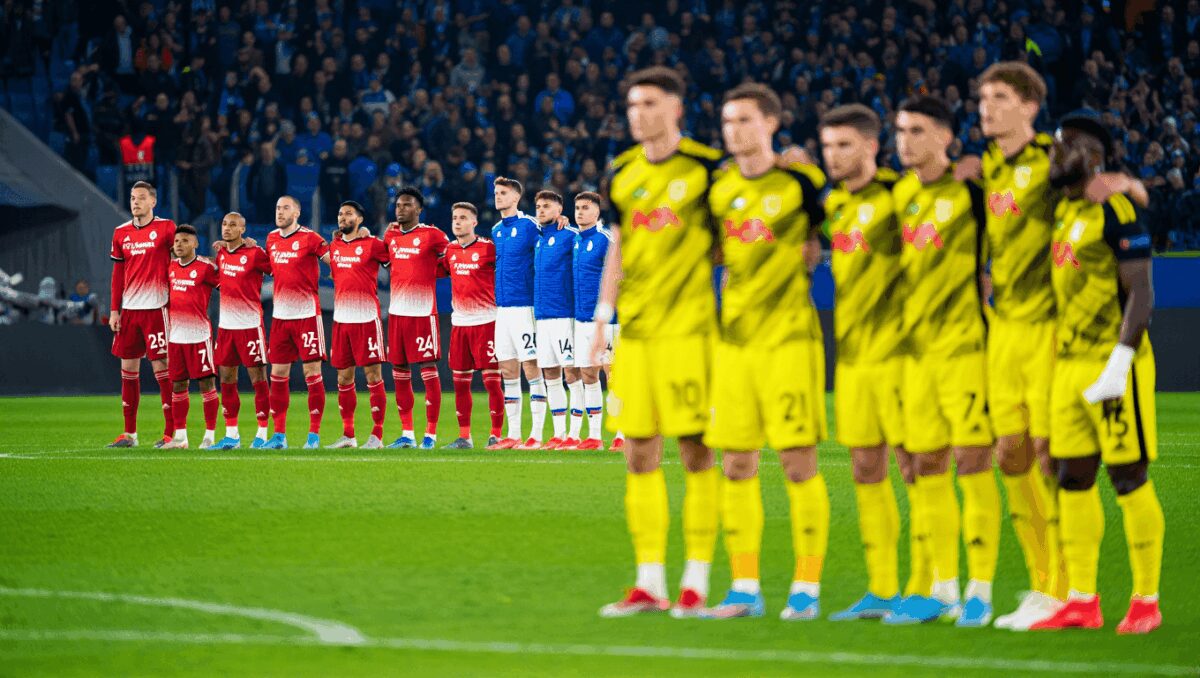
Iran’s sports minister announced this week that Tehran will not send athletes to any event that is co-hosted by the United States, a stance that immediately raises fresh questions about the participation of Iranian teams in upcoming international competitions. The declaration underscores how geopolitical tensions are increasingly shaping where and whether athletes can compete.
What the minister said
Caitlin Clark powers Team USA to dominant win over Senegal in FIBA World Cup qualifier opener
USA moves into WBC quarterfinals after Italy stuns Mexico
In a clear declaration to state media, the minister ruled out Iran’s involvement in tournaments held in partnership with the United States, saying the country would not take part “in all cases” where the US is a host. The comment offers little room for negotiation and signals a firm government position rather than a temporary dispute between sporting bodies.
Why this matters now
Collin Morikawa abruptly bows out of Players Championship after opening hole: leaderboard shaken
Arizona State men’s basketball coach fired: school weighs six potential successors
The timing matters because several major events on the international calendar involve the US as a host or co-host. When a nation with an active presence in global sport refuses to enter competitions for political reasons, consequences ripple through scheduling, qualification processes and television contracts.
Beyond logistics, the statement highlights the growing influence of sports diplomacy on foreign policy: decisions about attendance now carry diplomatic weight and can affect athletes’ careers and fans’ access to live competitions.
- Competition integrity: Absence of a qualified team can force organizers to redraw fixtures or award walkovers.
- Athlete impact: Competitors lose chances to qualify, gain exposure and earn prize money or ranking points.
- Commercial fallout: Broadcasters, sponsors and host cities may face financial and reputational complications.
- Governance pressure: International federations could be pushed to mediate or impose sanctions if participation rules are breached.
Potential responses and next steps
Organizers and international governing bodies typically prefer to keep politics and sport separate, but when a state-level decision prevents participation they must choose between adjusting formats, enforcing rules or seeking diplomatic solutions. In practice, options include rescheduling, inviting replacement teams, or opening talks to secure special arrangements such as neutral-status participation.
For now, officials in Tehran appear to have set a firm boundary. How event organizers and international federations react will determine whether this becomes an isolated boycott or a precedent that reshapes how countries approach tournaments hosted by geopolitical rivals.
Watch for follow-up statements from tournament organizers and international sports federations in the coming days; their responses will clarify whether the decision leads to practical changes on the field or remains largely symbolic.
Michael Brown is a seasoned sports journalist bringing years of experience covering professional athletics and sporting culture. With a keen eye for breaking stories and player dynamics, this veteran journalist delivers in-depth analysis and exclusive insights from the world’s biggest sporting events. His passion for the game shines through in every story, keeping fans connected to the action both on and off the field.