
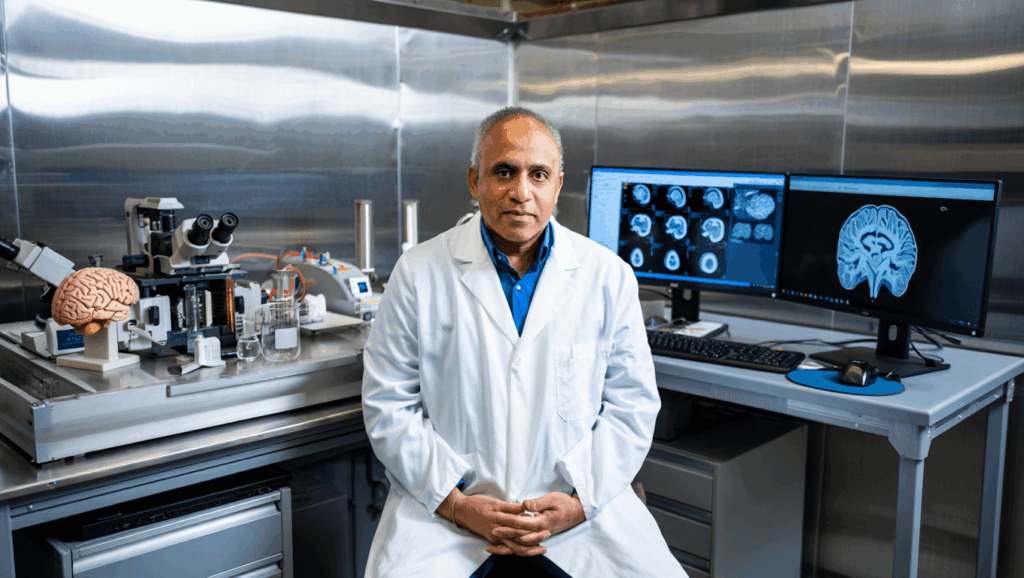
In an exciting development in the field of neuroscience, a team of U.S. scientists led by Nobel laureate Ardem Patapoutian is embarking on a groundbreaking project to create the first comprehensive map of the system that enables the brain to detect internal signals such as breathing, pulse, and blood pressure. This initiative, supported by a substantial $14.2 million grant from the National Institutes of Health (NIH), aims to explore the intricacies of interoception—often referred to as the human body’s “hidden sixth sense.” By understanding how the brain perceives vital internal signals, researchers hope to enhance our grasp of basic bodily functions like immune response and blood pressure regulation.
Understanding Interoception: The Hidden Sixth Sense
Are some dog breeds dangerous? The importance of responsible ownership to prevent accidents
Cats’ hidden power: How do they trigger irresistible emotions in humans?
Interoception represents the nervous system’s ability to monitor internal bodily sensations, distinct from the traditional five senses that perceive external stimuli. This continuous system adjusts essential processes such as circulation and digestion, often without our conscious awareness. The significance of this internal network lies in its role in coordinating life-sustaining functions and providing immediate responses to physiological imbalances.
The Pioneers Behind the Research
The project is a collaborative effort spearheaded by Ardem Patapoutian, who was awarded the Nobel Prize in Physiology in 2021 for his discovery of cellular sensors for touch. Key team members include Li Ye, Director of Chemistry and Chemical Biology at Scripps Research, Bosiljka Tasic, Director of Molecular Genetics at the Allen Institute, and Xin Jin, an Associate Professor and genomics expert. Together, they aim to provide a detailed sensory pathway map connecting major organs to the nervous system.
Innovative Techniques and Research Goals
World Brownie Day: five irresistible recipes to try at home
Strengthen your relationship in the digital age: key tips to connect better
- Mapping Techniques: The team plans to use advanced full-body imaging to create high-resolution three-dimensional maps. This involves labeling sensory neurons to trace connections from the spinal cord to various organs.
- Genetic Profiling: Another approach involves profiling genetic markers to identify different cell types and specialized neurons based on their roles in organs like the heart and lungs.
These methodologies will help formulate the first standardized reference for the internal sensory network, potentially revolutionizing our understanding of organ and nervous system coordination.
Implications for Health and Medicine
Understanding interoception could pave the way for addressing severe health issues, including autoimmune disorders, chronic pain, and neurodegenerative diseases. Disruptions in neural pathways associated with interoception can affect the body’s overall balance, known as homeostasis, complicating conditions like high blood pressure. By mapping these sensory routes, researchers hope to design treatments that restore or enhance balance in disease prevention and management.
Transforming Global Health Perspectives
This study not only aims to map a crucial bodily function but also seeks to lay the groundwork for new therapeutic strategies and a broader understanding of brain-organ communication. The precise identification of sensory pathways could lead to innovative treatments that improve life quality by maintaining or correcting vital process controls under pathological conditions. Furthermore, the collaborative efforts between leading research centers are expected to yield interactive maps and partial results that could benefit international science and medicine. The long-term goal is that this atlas will enable the development of better diagnostics and therapies for diseases associated with dysfunction in organ-brain communication, potentially transforming our approach to global health and biological science.
Daniel Harris is a specialist journalist focused on the crossroads of breaking news, extraordinary history, and enduring legends. With a background in historical research and storytelling, he blends timely reporting with timeless narratives, making complex events and ancient myths resonate with today’s readers. Daniel’s work often uncovers surprising links between present-day headlines and legendary tales, offering unique perspectives that captivate diverse audiences. Beyond reporting, he is passionate about preserving oral traditions and exploring how extraordinary stories continue to shape culture and identity.