
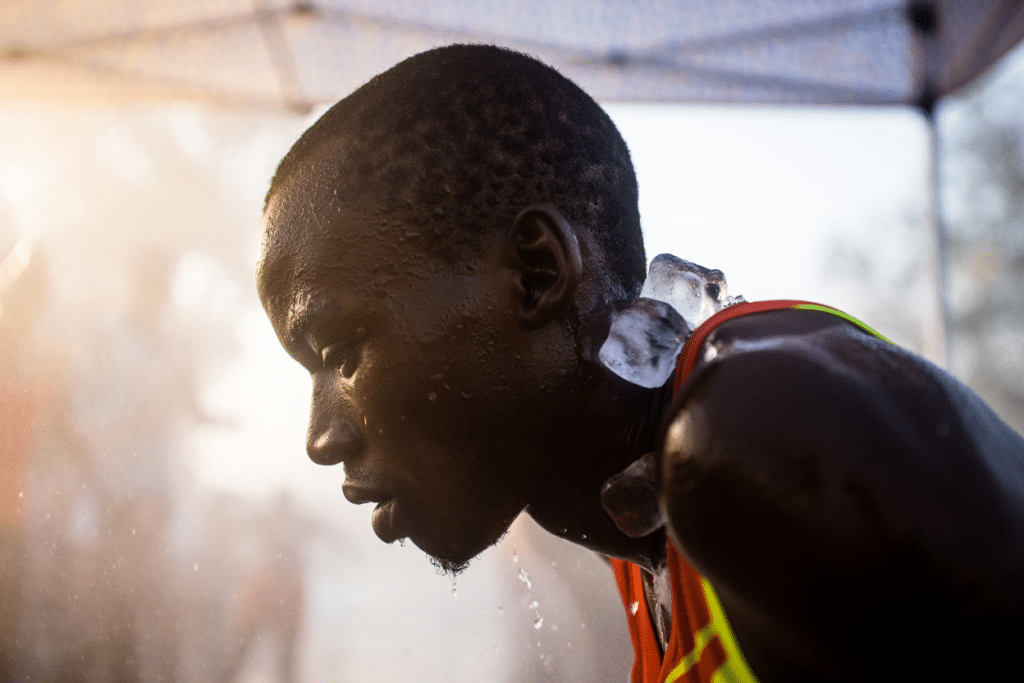
Humid dawn air and 30-minute schedule shifts from September 13–21 push endurance events into cooler windows. This guide shows how to race safer and faster with science-backed cooling, smart pacing, and simple gear.
Cagliari faces Lecce tonight in Serie A showdown, Rossoblu seek top-half push
Girona faces Barcelona tonight in La Liga showdown, Barcelona chases lead
Organizers advanced road-race start times to 7:30 a.m. and added extra hydration points and cooling tents after days of oppressive humidity. That’s good news for anyone competing or training in similar conditions: the same heat strategies that help pros can help you.
Event timing changes and safety measures explained
Officials moved the marathon and 35 km race walk earlier by 30 minutes and increased on-course water access to about 185 stations, with additional shade structures and radiative-cooling tents around the stadium. Staff are using wearable temperature monitors so medical teams can react quickly. The goal is simple: lower core temperature rise and reduce heat-illness risk while preserving performance.
East Texas A&M faces Southeastern in Family Fun Day matchup today
Macclesfield faces Brentford tonight in FA Cup fourth-round showdown
https://twitter.com/ChrisChavez/status/1965955021327028638
Who gains in cooler dawn conditions and who risks more?
Earlier starts favor athletes who overheat quickly, heavy sweaters, and anyone chasing a personal best in humid conditions. Those with limited heat adaptation or aggressive early pacing remain at higher risk, even at sunrise. Masters competitors and newer runners often benefit most from pre-cooling and conservative first-mile plans, while well-acclimated elites may still push near their limits.
“I don’t think it’s any great secret, we do have some heat challenges in Tokyo.” — Sebastian Coe, World Athletics president
Your step-by-step plan for safer fast racing
Begin cooling before the gun, pace by feel and heart rate early, and use every aid station deliberately.
Pre-start
-
Arrive hydrated; sip small amounts to thirst in the final 10–20 minutes.
-
Pre-cool with ice slurry or cold towels to blunt early core-temp rise.
-
Keep skin wet under shade; limit warm-up duration.
On the course
-
Take fluids early; pour water on head/neck if allowed.
-
Use ice or sponges when available; aim for steady effort through the first 3–5 miles.
-
Back off at the first signs of dizziness, chills, or cramps.
Post-finish
-
Cool down in shade, remove excess layers, and rehydrate gradually.
| Exercise | Benefit | Frequency |
|---|---|---|
| Ice-slurry pre-cool | Lowers thermal strain at the start | 10–20 min before gun |
| Cooling vest or wet towels | Keeps skin cool during staging | 5–15 min pre-start |
| Heat-acclimation easy runs | Improves tolerance to hot racing | 5–10 days before event |
| Early conservative pacing | Prevents overheating surge | First 3–5 miles |
| Planned aid-station routine | Maintains fluid intake and rhythm | Every 10–20 min as needed |
https://youtu.be/9MMDKIWykww
What to expect over the next 30 days
Expect more dawn start times, extra shade, and abundant ice at major road events as warm, humid mornings persist. Keep a simple checklist: pre-cool kit, pacing plan, and an aid-station script. Rehearse once weekly so race-day execution feels automatic.
SOURCES
https://www.reuters.com/sports/road-events-world-championships-start-30-minutes-earlier-beat-tokyo-heat-2025-09-11/
https://worldathletics.org/competitions/world-athletics-championships/tokyo25/news/news/marathon-and-race-walk-courses-officially-certified
https://pubmed.ncbi.nlm.nih.gov/39683610/

Jessica Morrison is a seasoned entertainment writer with over a decade of experience covering television, film, and pop culture. After earning a degree in journalism from New York University, she worked as a freelance writer for various entertainment magazines before joining red94.net. Her expertise lies in analyzing television series, from groundbreaking dramas to light-hearted comedies, and she often provides in-depth reviews and industry insights. Outside of writing, Jessica is an avid film buff and enjoys discovering new indie movies at local festivals.