
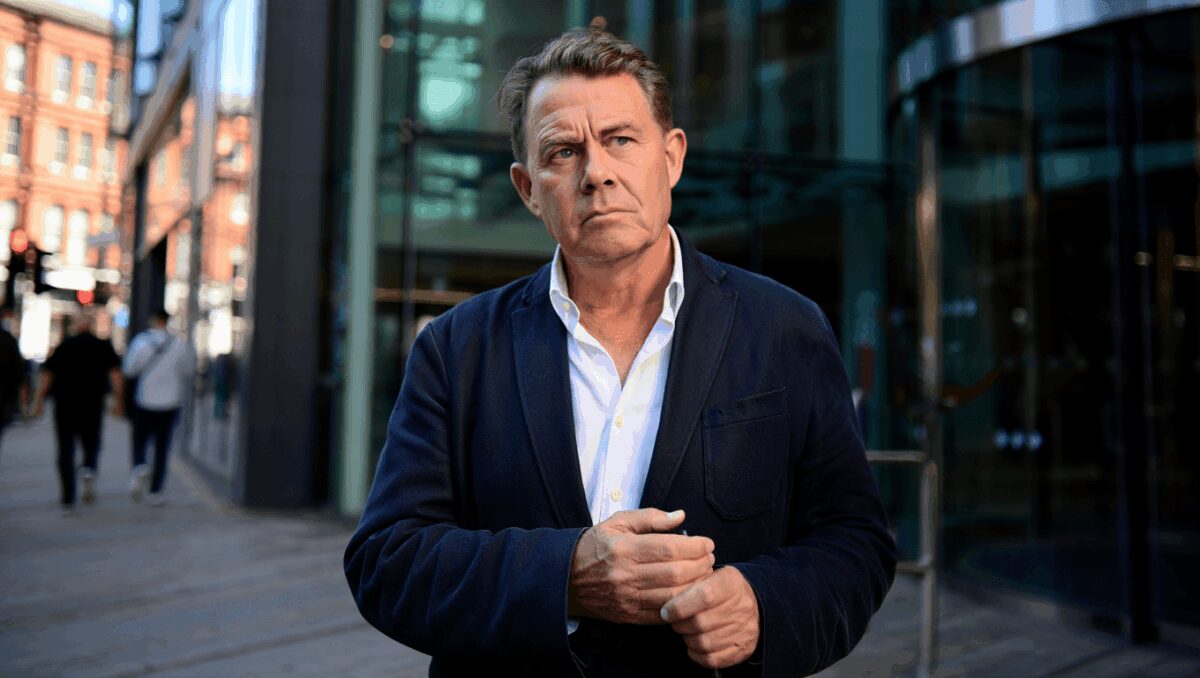
Russell T Davies’ new Channel 4 drama delivers a stark, near-term portrait of how ordinary tension can escalate into something far more dangerous for LGBTQ+ communities—and why that matters right now. Set in contemporary Manchester, the five-part series reframes neighbourly conflict as a warning about the social and political shifts unfolding across the UK.
Masters of the Universe leans on viral He-Man meme: director confirms iconic song appears
Channel 4 drama Tip Toe delivers harrowing, essential viewing: watch with caution
The plot is simple in outline but unsettling in effect: a charismatic gay bar owner and a conservative family man become locked in a feud that intensifies from petty antagonism to brutal violence. Against the canal-side nightlife of Manchester’s queer quarter, the series tracks how rumor, suspicion and radicalized opinion can reshape a neighbourhood.
Characters and stakes
The drama centres on Leo, a vibrant bar proprietor played by Alan Cumming, and Clive, a right-leaning electrician portrayed by David Morrissey. Their conflict begins with everyday clashes and escalates as outside prejudices and conspiratorial thinking seep into personal interactions.
Disney animation goes hands-on at Disney World: first look inside ahead of opening
Masters of the Universe movie wows: Amazon’s bold sci-fi fantasy reboot is a triumph
Davies frames the project as intentionally topical. He told reporters the story was conceived not as historical reflection but as a portrait of tensions he sees in the present day—a decision that shapes the show’s urgency and discomfort.
A reflection of current anxieties
For many viewers the series feels less like speculative fiction and more like a close mirror of recent cultural shifts. As political discourse moves rightward in parts of the West, queer visibility has acquired new risks: hostile rhetoric, institutional indifference and increased social policing.
Speaking about the reaction to early publicity, one of the lead actors said the programme does not imagine a distant future; he believes the dynamics it depicts are happening now, and that the show’s shock value may prompt a wider conversation.
- Personal safety: Heightened visibility can translate into more street-level harassment or targeted attacks for LGBTQ+ people.
- Public discourse: Recycled tropes—in particular, the damaging insinuation that queer people pose a threat to children—can legitimise suspicion and fear.
- Institutional impact: Policy changes or political gains by parties hostile to queer rights could narrow protections and reduce recourse for victims.
- Cultural chilling: The prospect of social or legal consequences may push people toward less public expression of identity.
- Online amplification: Viral accusations and coordinated harassment campaigns can fuel real-world harm.
These outcomes are not inevitable, but the drama draws a direct line between hostile political rhetoric and localised violence, asking viewers to consider how language and policy interact with everyday lives.
How the creators see it
Davies and the cast have described the series as a deliberate attempt to provoke discussion rather than offer neat answers. The tone is confrontational by design: the show wants audiences to sit with the discomfort and talk about why communities fracture.
One actor expressed hope that the series acts as a catalyst for conversation—calling it, in effect, a spur to public debate about what is already happening on the ground.
The narrative also uses a recurring and historically persistent accusation—that LGBTQ+ people are a danger to children—to show how easily suspicion can metastasize into justification for exclusion and violence. It’s a theme intended to unsettle, not sensationalise.
Viewer responses to trailers and early episodes suggest the drama is already resonating; for some it is a necessary wake-up call, for others an uncomfortable reminder of how fragile safety can feel.
What to expect when you watch
The series runs five episodes and does not shy away from grim outcomes. Expect tense domestic scenes, evolving neighbourhood politics and deliberate ambiguities that force the audience to confront how rumours and fear spread.
For those considering watching: the show is intense and may linger beyond each episode. Its purpose is to provoke reflection rather than offer reassurance.
Whether Tip Toe changes minds or merely reflects them, it arrives at a moment when debates about public safety, tolerance and the direction of British politics feel especially immediate—and that timeliness is precisely the point the makers are making.

Jessica Morrison is a seasoned entertainment writer with over a decade of experience covering television, film, and pop culture. After earning a degree in journalism from New York University, she worked as a freelance writer for various entertainment magazines before joining red94.net. Her expertise lies in analyzing television series, from groundbreaking dramas to light-hearted comedies, and she often provides in-depth reviews and industry insights. Outside of writing, Jessica is an avid film buff and enjoys discovering new indie movies at local festivals.