
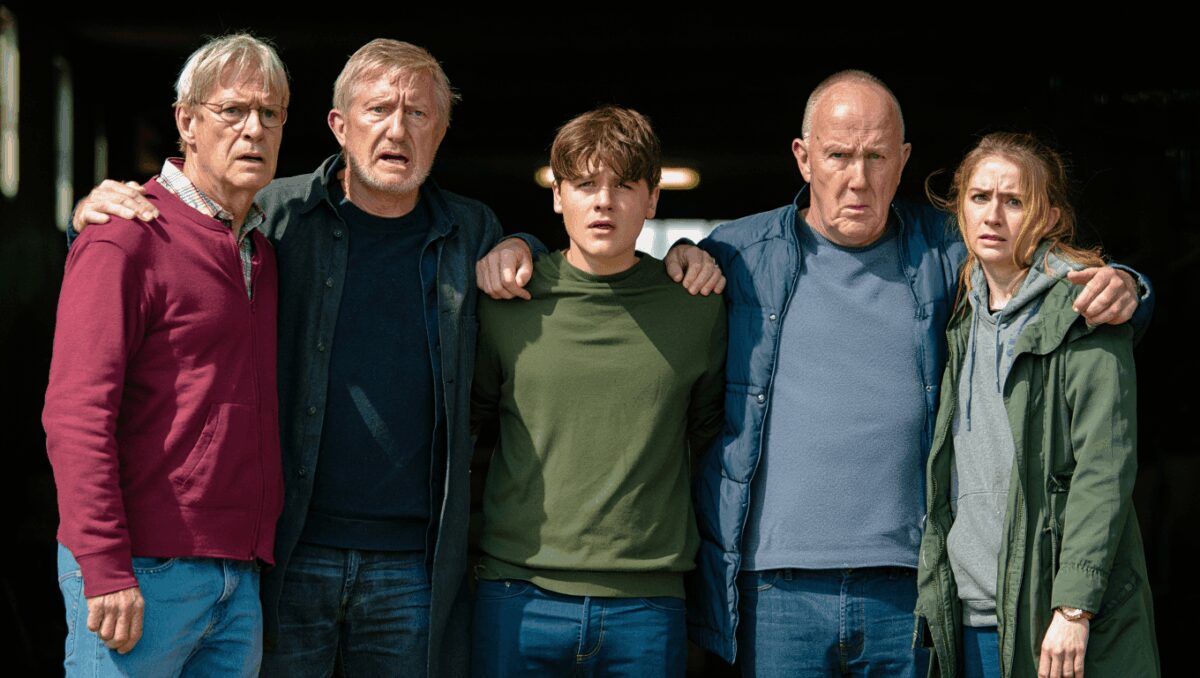
Spoilers for Tip Toe episode 5 follow — contains distressing themes. All five episodes of Russell T Davies’s new Channel 4 drama are now available to stream, and the fifth instalment delivers a confrontational, brutal climax that reframes the series as a timely exploration of escalating social fractures.
Toy Story 5 may close Woody, Buzz and Jessie’s chapter: filmmakers weigh in
American Horror Story season 13 ramps up terror: Coven spinoff episodes teased as even scarier
The story centers on a bitter neighbour conflict in Manchester between a lively Canal Street bar owner and a conservative local electrician. What begins as antagonism spirals into a public act of violence that the show stages so deliberately it forces viewers to ask: when could this have been stopped, and who is responsible?
How the climax was built — on and off camera
Across the first five episodes, Davies threads small, warning moments into each cold open, signalling that events could have been prevented at multiple points. That structural choice is meant to prod the audience: the catastrophe wasn’t inevitable, the show insists — it was enabled by decisions, complacency and group behaviour.
Toy Story 5 puts Jessie center stage: director reveals her backstory was always on his mind
Meta whistleblowing scandal outshines Social Reckoning trailer furor: what you need to know
On screen, the conflict pits Leo (played by Alan Cumming), a charismatic gay club owner, against Clive (played by David Morrissey), a father and electrician whose resentment becomes explosive. Episode 5 shows Clive leveraging a large, predominantly male gathering to make a public example of Leo — an escalation staged to shock but grounded in the script’s careful mounting of tensions.
The production itself was technically complex. Outdoor sequences — including the street confrontation that culminates the episode — were filmed far in advance of the indoor scenes, forcing cast and crew to sustain and return to a fraught emotional rhythm over several weeks. To protect the shoot and avoid distressing passers-by, the production erected screens and coordinated closely with local authorities; the streets were effectively closed and managed during filming.
Actors and crew described the shoot as physically and emotionally demanding. Recreating a large, volatile crowd required tight choreography and intense commitment from younger cast members portraying the group that turns violent. Only some participants in the fictional violence face legal consequences on the show, which underlines how a collective act can have uneven, lasting outcomes.
- Staging and sequence: Exterior protest-style scenes shot first, interior aftermath shot later — actors had to sustain emotional continuity over a break.
- Public safety: Streets fenced off and heavily policed to shield the public and preserve the scene.
- Casting challenge: A mix of ensemble energy and individual performances to make the group dynamic believable.
- Narrative intent: Cold opens signal opportunities to intervene, turning the viewer into an interrogator of bystander responsibility.
Performers said the cast “brought everything” to those scenes, balancing technical demands with the need to remain open to surprising moments. For some, stepping away between the exterior and interior shoots provided a strange, almost surreal separation from the role; they returned to finish the story bearing the emotional weight of what had already been filmed.
Behind the camera, director work and careful orchestration were crucial. Large-group sequences require not only dramatic intent but logistical precision: crowd movement, sightlines for the camera, and controlled bursts of escalation so the performance reads as both spontaneous and coordinated.
Why this episode matters now
Davies has framed the series as a kind of alarm bell about widening social fault lines, and episode 5 crystallises that argument. By showing multiple moments where the harm could have been averted, the story moves beyond one-person villainy to focus on communal responsibility and the cultural conditions that allow violence to unfold.
For viewers, the episode’s immediate impact is visceral. For wider public conversation, it raises questions about intolerance, the role of bystanders, and how communities police one another — themes that carry political and social relevance at a time of heightened debate over identity, public space and social media-fuelled group dynamics.
That relevance is why the episode has drawn such strong reactions: it is not just a dramatic crescendo but a deliberate provocation intended to prompt discussion about how societies respond — or fail to respond — when warning signs accumulate.
As the series continues on Channel 4, the conversation it sparks looks likely to outlast the run time of the episodes themselves: about accountability, the ease of escalation in group settings, and whether early intervention can change an outcome that the drama positions as both preventable and devastating.

Jessica Morrison is a seasoned entertainment writer with over a decade of experience covering television, film, and pop culture. After earning a degree in journalism from New York University, she worked as a freelance writer for various entertainment magazines before joining red94.net. Her expertise lies in analyzing television series, from groundbreaking dramas to light-hearted comedies, and she often provides in-depth reviews and industry insights. Outside of writing, Jessica is an avid film buff and enjoys discovering new indie movies at local festivals.