
INTRO (Livvy Dunne’s game-night reactions and a subtle gaze shift became a case study in attention — a cue you can apply. In late September 2025, broadcasts showed how a single averted glance can guide where viewers look, and what they feel.)
The expert-backed reveal your eye didn’t notice at first
Powerball winner scoops $1.817 billion on Christmas Eve, what happens next will change their life forever
Zendaya shuts down pregnancy rumors after viral London outing with Tom Holland goes too far—here’s what she actually said
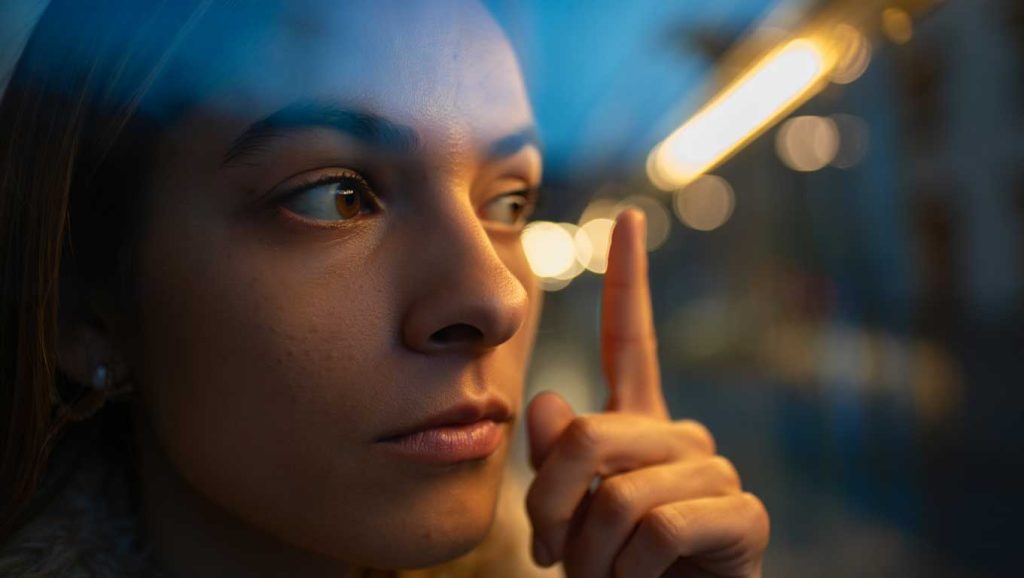
Media editors love faces because they anchor your attention, but where the eyes point can quietly steer your focus. When Livvy glanced toward the action — then back — the cut invited you to follow her gaze, deepening the moment. Research on “gaze cueing” explains why this feels natural rather than forced.
In ads and short clips, an averted look can pull your eyes to a target faster than text or arrows. That’s why highlight reels often include a cutaway to a face looking off-screen; your attention reflexively follows.
Who feels reassured and who is at risk of being misled
Arkansas lottery wins $1.817 billion Powerball jackpot on Christmas Eve, here’s what happens to the money
Powerball winner scoops $1.817 billion jackpot on Christmas Eve, but nobody knows who they are yet
Fans who understand gaze cues feel more in control; others may mistake camera choreography for organic emotion. Eye-line edits can heighten excitement but also bias what you notice first — and what you miss.
“A person’s directed gaze can trigger an attentional shift in an observer, cuing them to look toward the same area or object.” — Jochen Palcu, Frontiers in Psychology study author.
For creators, a well-timed glance can be powerful; for viewers, it’s a reminder to pause and re-check context before forming conclusions.
The exact steps to use eye-line cues without crossing lines
Use these practical moves if you film reactions or analyze clips:
| Step | Detail | Deadline |
|---|---|---|
| 1 | Plan a cutaway where the subject’s eyes lead to the key action | Before recording |
| 2 | Hold the glance long enough for viewers to follow (~0.5–1.0s) | During shoot |
| 3 | Disclose staging in captions if the moment was pre-planned | At upload |
| 4 | Audit final edit for fairness — add a wide shot to restore context | Before publish |
These steps keep the psychology effective while protecting audience trust.
Thank you gymnastics❤️ pic.twitter.com/jj0gYCGJIJ
— Olivia Dunne (@livvydunne) April 21, 2025
The near-term warnings and what to watch by November 25, 2025
Expect heavier use of reaction cutaways during fall sports promos through late November 2025. Editors will lean on eye-line cues to amplify storylines around postseason races and award chatter. For you, the risk is salience bias — remembering the reaction more than the play.
Counter it by looking for a second angle or replay before you share or comment. If you create content, consider on-screen labels (“Replay follows”) to balance emotion with context.
The signal more people are noticing: Are you catching it?
Viewers increasingly mention how a subject’s glance “pulled” them into a clip. That’s the eye-line effect in the wild. Are you noticing when your focus moves because someone on-screen looked first — or does it still feel like magic?
Creators who disclose staging and add a context clip are earning higher trust and repeat views. As audiences get savvier, transparency becomes a differentiator. Are you building that into your edits?
https://twitter.com/livvydunne/status/1913085025387495821
SOURCES
- https://www.frontiersin.org/journals/psychology/articles/10.3389/fpsyg.2017.00881/full
- https://pmc.ncbi.nlm.nih.gov/articles/PMC10117197/
- https://people.com/livvy-dunne-sweats-through-boyfriend-paul-skenes-shutout-attempt-11817470

Jessica Morrison is a seasoned entertainment writer with over a decade of experience covering television, film, and pop culture. After earning a degree in journalism from New York University, she worked as a freelance writer for various entertainment magazines before joining red94.net. Her expertise lies in analyzing television series, from groundbreaking dramas to light-hearted comedies, and she often provides in-depth reviews and industry insights. Outside of writing, Jessica is an avid film buff and enjoys discovering new indie movies at local festivals.
Remember when Livvy Dunnes gaze in that one scene had us all analyzing every detail? This eye line trick is pure genius, right? Who else felt like they were falling down the rabbit hole with each glance?
Remember that Livvy Dunnes gaze? That subtle eye line trick was pure magic. Its like she had a secret language with her fans, drawing us all in deeper. Who else fell under her spell?
Remember that Livvy Dunne eye trick? Its like shes casting a spell with just a glance. Who else got pulled into her web of mystery and intrigue? Or did you resist the hypnotic power of those eyes?
Remember Livvy Dunnes eye line? That subtle move got me pondering. Wonder how many other cues slip by unnoticed? Bet theres a whole world of hidden gestures out there. Who else feels like they need a crash course in eye-line secrets?
Remember that Livvy Dunne eye trick? Its like finding a hidden gem in plain sight. Wonder how many other sneaky cues were missing out on in plain view. Whats your take on decoding these visual mysteries?
Remember when Livvy Dunnes glance in that one movie had us all hooked? This eye-line trick just drew us in deeper. Who knew a simple look could hold so much power? Whats your take on subtle cues like this in films?