
Under South Dakota’s bright summer glare, a 70-foot tunnel hides in the granite behind the famous faces. The surprise is real: a sealed repository placed there on August 9, 1998, a detail most visitors miss, quietly reframes what you think you know.
Powerball winner scoops $1.817 billion on Christmas Eve, what happens next will change their life forever
Zendaya shuts down pregnancy rumors after viral London outing with Tom Holland goes too far—here’s what she actually said
The first thing you notice is the hush. Wind scrapes across granite, tourists shuffle on the terrace, and high above, a rough-cut passage ends at a stone cap you can’t reach. The scale, the dates, the secrecy, together, they carry a hint of urgency and a bigger story about how nations remember themselves.
What changes your understanding of the monument today
Few realize there is a sealed repository behind the sculptures: a teakwood box inside a titanium vault, covered by a granite capstone and set in the entry to an unfinished chamber. The vault holds sixteen porcelain-enamel panels that explain who carved the mountain and why. The chamber isn’t a public attraction; it’s a message to posterity more than a stop on the trail.
Who really gets access and who walks away none the wiser
Arkansas lottery wins $1.817 billion Powerball jackpot on Christmas Eve, here’s what happens to the money
Powerball winner scoops $1.817 billion jackpot on Christmas Eve, but nobody knows who they are yet
For everyday visitors, access is off-limits; the upper mountain and chamber area remain closed for safety and preservation. A small number of authorized personnel have seen it up close, while thousands on the terrace overlook the clue entirely. The line between insiders and crowds is stark, and it fuels the site’s mystique.
“You may as well drop a letter into the world’s postal service without an address or signature, as to send that carved mountain into history without identification.” — Gutzon Borglum, Sculptor
What changed on August 9, 1998 for the hidden chamber
On August 9, 1998, a long-deferred dream was partially fulfilled when the document repository was installed at the chamber’s threshold. The move turned an uncompleted 1938–1939 excavation into a time-proof archive. The original grand plan—a vast hall with exhibits, stairs, and a 38-foot eagle over the door—gave way to a compact vault that could endure for centuries.
Why insiders spot the vault while terrace crowds miss it
Angles and distance do the hiding. From common viewpoints, the rough-cut entry sits beyond a small canyon, visually flattened by sheer scale. The eye goes to 60-foot faces and ignores the darker recess near Lincoln’s side. Without ranger context, binoculars, or the right trail vantage, the chamber’s entry vanishes into shadow contrasts and stone seams.
Exactly what to do if you want to catch a glimpse from public areas
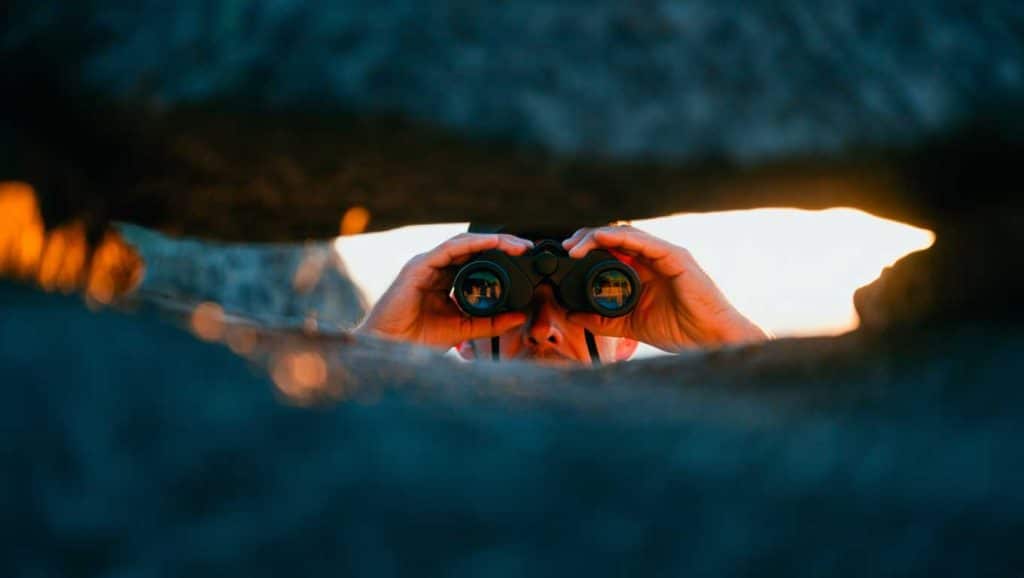
You cannot enter the chamber, but you can optimize your odds of spotting its location and understanding its purpose. Time your visit for late-day contrast, bring binoculars, and pair the view with the on-site exhibits about the carving period. Below is a compact plan.
| Step | Detail | Deadline |
|---|---|---|
| Scout vantage | Use approved overlooks to align sightlines toward the canyon behind the faces; scan near Lincoln’s side for the rough entry | Before sunset for better contrast |
| Equip properly | Bring 8×–10× binoculars; stabilize elbows on a railing to pick out the granite capstone area | Before arrival |
| Context first | Review carving timelines (1927–1941) to know why the chamber stopped at ~70 feet | 15 minutes on site |
| Ask a ranger | Confirm where the unfinished entry sits and why the upper mountain is closed | During staffed hours |
| Time buffer | Allow 30–45 minutes to let light shift and reveal shadows | Same visit |
| Tongue-in-cheek | Resist “secret tunnel” fantasies; the real story—records for the future—is better | Always |
Watch next in the coming 30–90 days
Seasonal light and vegetation shift how the entry reads at distance. In the next 1–3 months, late afternoons can sharpen shadow edges, improving your chance to distinguish the rough-cut tunnel from natural fractures. Ranger talks ramp with visitor volume; plan around posted schedules to layer historical context onto the view.
Early signal for how we handle memory in stone
There’s an early pattern here: a nation chooses a sealed archive over spectacle, favoring durability and restraint. The abandoned grand hall and the completed 1998 repository suggest future memorials may prioritize legibility for distant generations over short-term tourism. That choice appears to trade access for endurance, a quiet message etched not in plaques but in what remains deliberately unreachable.
SOURCES
https://www.nps.gov/moru/learn/historyculture/hall-of-records.htm
https://www.pbs.org/wgbh/americanexperience/films/rushmore/
https://npshistory.com/publications/moru/shs-hall-of-records.pdf

Jessica Morrison is a seasoned entertainment writer with over a decade of experience covering television, film, and pop culture. After earning a degree in journalism from New York University, she worked as a freelance writer for various entertainment magazines before joining red94.net. Her expertise lies in analyzing television series, from groundbreaking dramas to light-hearted comedies, and she often provides in-depth reviews and industry insights. Outside of writing, Jessica is an avid film buff and enjoys discovering new indie movies at local festivals.