
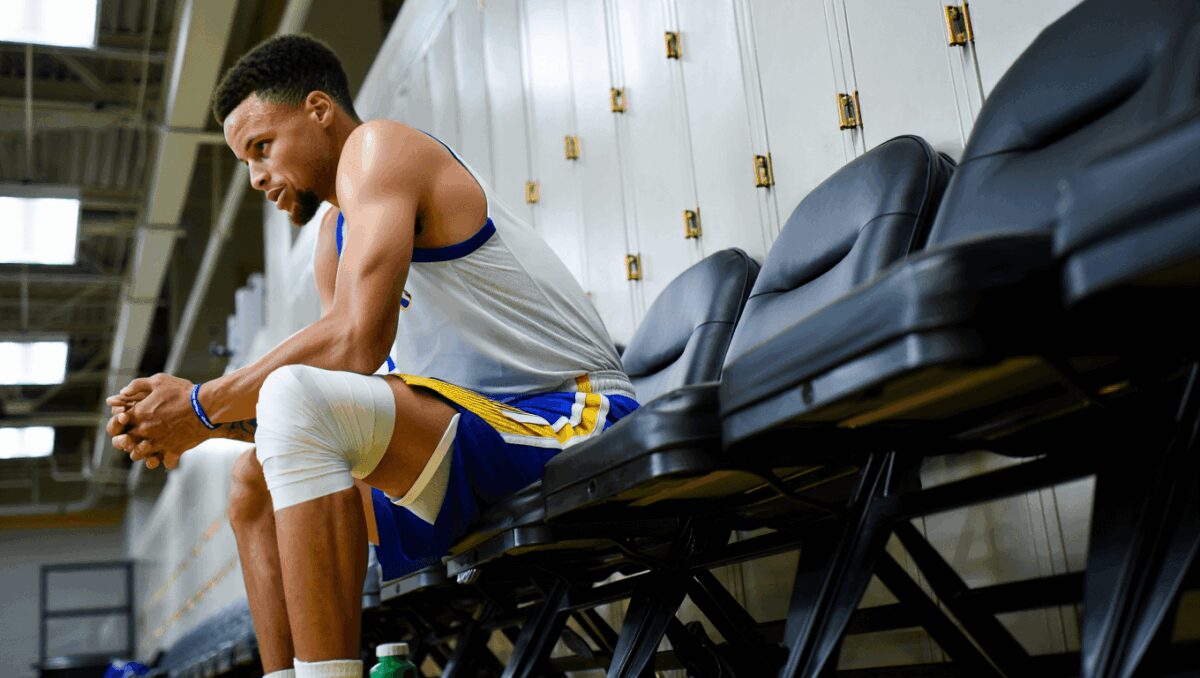
Steph Curry missed every game in February and on Monday confirmed he still isn’t back on the court, calling the knee problem “weird” and saying its recovery has been unpredictable. That uncertainty arrives at a perilous moment for Golden State: a heavy March schedule and a slim margin in the Western standings make each absent night from Curry a potential playoff-defining cost.
Shai Gilgeous-Alexander sets eye-popping NBA mark: propels Thunder past Mavericks
Dominiq Ponder, Colorado quarterback, found dead at 23: university confirms death
Speaking during the Warriors’ broadcast with ESPN’s Malika Andrews, Curry said he’s making steady progress since the All-Star break but declined to give a firm return date. He reiterated that while he’s feeling better, the issue remains difficult to predict and will require patience as the team manages pain and recovery.
“Every day since All‑Star Weekend has been progress,” Curry told Andrews, but added the timeline is still uncertain and that a return will be measured one step at a time.
Seahawks’ Super Bowl LX victory: Sports Illustrated unveils commemorative issue
Wins Above Bubble could decide March Madness bids: what teams need to know
For now he has not resumed on‑court activity. Curry described his diagnosis as related to persistent kneecap irritation — a condition commonly known as runner’s knee — that can flare if not fully resolved. The Warriors will wait for medical clearance before allowing him into team practice; even then a gradual ramp‑up is expected rather than an immediate game return.
Short-term damage and long-term questions
The immediate consequence is practical: Golden State plays uneven basketball without its star. Since Curry last suited up on January 30, the team has gone 4–6 in his absence. Offense and spacing suffer without his shooting gravity, and matchups in the coming weeks will test the roster depth.
At a broader level, the injury spotlights a reality for a 37‑year‑old franchise cornerstone playing at a high level this season (he’s averaging about 27.2 points per game): managing wear and recovery is as important as chasing immediate returns. Curry framed the situation in terms of stacking good days and avoiding a lingering problem that could worsen if rushed.
- Near-term slate: A tough week opens with three straight games against playoff teams — the Clippers, Rockets and Thunder — then a mix of Jazz and Bulls before another stretch of high-profile matchups.
- Key road tests: A March road trip includes visits to Madison Square Garden and TD Garden to face the Knicks and Celtics, plus a game against the top‑seeded Pistons later in the month.
- Schedule impact: Seven of the Warriors’ next 10 opponents are currently playoff teams, including both conference top seeds on the road.
All of that compounds the urgency to get Curry back — but it also argues for caution. Even a cleared player typically needs practice minutes and a measured reintroduction to game action. Curry himself pointed to pain tolerance and the sprint to the playoffs as factors that will shape how quickly he resumes full duty.
Standings pressure
Golden State sits in the Western Conference’s eighth spot, holding roughly a 2½‑game cushion on the ninth‑place Trail Blazers while trailing the seventh‑seed Suns by about three games. The team’s short‑term goal is to avoid plummeting out of play‑in contention; slipping further would complicate any post‑season aspirations even after Curry’s return.
With the schedule looming and the roster still sorting through midseason changes and availability, every day of recovery carries tangible consequences for matchups, seeding and momentum. The coming weeks will show whether the Warriors can tread water without their leading scorer or if they’ll feel the full cost of his extended absence.
What to watch next:
- Curry’s first on‑court practice and the team’s medical clearance timeline.
- How minutes and offensive roles shift in his absence, particularly against top defenses.
- Whether the Warriors can preserve their position in the West while facing a slate heavy with playoff-caliber opponents.

Michael Brown is a seasoned sports journalist bringing years of experience covering professional athletics and sporting culture. With a keen eye for breaking stories and player dynamics, this veteran journalist delivers in-depth analysis and exclusive insights from the world’s biggest sporting events. His passion for the game shines through in every story, keeping fans connected to the action both on and off the field.