
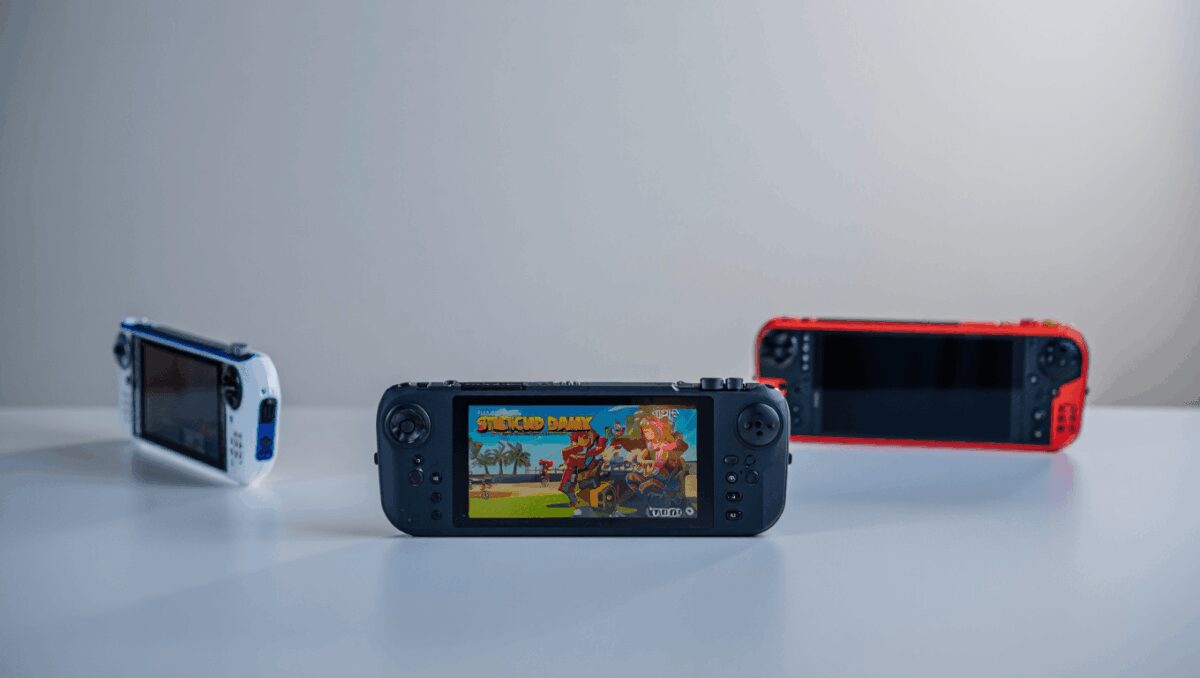
Valve quietly restocked the Steam Deck OLED this week — but with a notable twist: prices jumped by roughly $300, placing the 1TB model near the $950 mark. That sudden increase immediately changes the calculus for shoppers weighing handheld performance against cost.
Switch 2 owners: 12 essential Nintendo exclusives to play now
GTA 6 leaks: weekly roundup of fresh rumors and what to expect
The upshot is simple: the Steam Deck is no longer an automatic best buy for people who want PC-grade gaming on the go. Several recent handheld PCs and even classic home consoles now offer comparable performance, better displays, or clearer value for money. Below I break down the most compelling alternatives and what each one delivers.
Handheld PC options that deserve a look
If you want a portable device capable of running PC titles, recent Windows-based handhelds close the gap with Valve’s hardware — and in some cases exceed it. These systems trade Steam Deck’s native SteamOS experience for more flexibility, typically running a full or stripped-down version of Windows and supporting third-party stores and emulators.
PlayStation Days of Play 2026 deals: top picks worth buying now
Detroit Become Human still nails AI in 2026: replaying every ending convinced a skeptic
The most notable contenders right now include the Asus ROG Xbox Ally family and the Lenovo Legion Go. The Ally targets a mainstream audience with strong ergonomics and support for Xbox services, while the Ally X and Lenovo’s higher-end unit bring faster processors, bigger memory configurations, and premium displays aimed at users who want desktop-level performance in a handheld form factor.
| Model | Approx. price | Key hardware | Display notes |
|---|---|---|---|
| Asus ROG Xbox Ally | $599 | Mid-range Ryzen APU, 16GB RAM (varies) | 120 Hz FHD — compact and responsive |
| Lenovo Legion Go | $849 | Ryzen Z1 Extreme, 16GB RAM, 512GB SSD | 8.8-inch, up to 144 Hz, detachable controllers |
| Asus ROG Ally X | $999 | Ryzen Z2 Extreme, up to 24GB RAM, 1TB SSD | High-refresh FHD, built for heavier PC titles |
| Steam Deck OLED (1TB) | ≈$949 after increase | Valve-custom APU, SteamOS, native Steam integration | OLED panel; strong Steam ecosystem |
What these handhelds offer that the Steam Deck doesn’t
Windows-based handhelds give you broader compatibility with PC software and more straightforward access to drivers, game launchers, and peripherals. For power users who plan to tinker, install different operating systems, or run non-Steam stores, that flexibility can be decisive.
That said, the Steam Deck still excels at offering a cohesive, console-like experience for Steam users out of the box, with a curated interface and deep integration with Valve’s ecosystem — but you now pay a premium for that convenience.
Traditional console alternatives — better value in some cases
Stepping away from PC-style handhelds, the market also includes hybrid and home consoles that deliver great gaming experiences per dollar. For buyers whose priorities include a large game library or a living-room setup, a hybrid like the Nintendo Switch 2 or a new home console such as the PS5 Pro may make more sense financially than an expensive handheld.
The Switch 2 keeps Nintendo’s strong first-party catalog and hybrid design while improving screen size and performance versus the original. The PlayStation upgrade targets high-end visuals and faster load times, which are harder to replicate on pocket-sized hardware.
- Nintendo Switch 2 — Roughly $449; hybrid design, strong exclusive lineup, focused on accessibility rather than raw PC power.
- PS5 Pro — Around $899; best for players who prioritize console-native performance, fidelity, and a traditional living-room experience.
How to decide: practical considerations
There’s no single right choice — your decision should reflect how you play. Key questions to ask:
- Do you need full PC compatibility, or is a curated console library enough?
- How important is battery life and portability versus raw performance?
- Are you comfortable installing custom software and drivers, or do you prefer a plug-and-play experience?
Also remember: many handhelds can run alternative operating systems — you can get a Steam-like interface on Windows devices and even install SteamOS on some hardware — so software flexibility reduces the gap between ecosystems.
Bottom line: Valve’s price change has made the market more competitive rather than creating a single obvious winner. For buyers focused on value, the Switch 2 or a capable Windows handheld can outmatch the newly priced Steam Deck; for users who want native Steam integration and a simple, unified experience, the Deck still carries unique advantages. Weigh software, portability, and long-term support before you buy.

Annabelle Ink is a gaming journalist and lifelong gamer who lives and breathes video game culture. From console releases to esports tournaments, this dedicated journalist brings insider knowledge and genuine enthusiasm to every review and feature. Her expertise spans multiple gaming platforms, helping readers discover their next favorite game while staying connected to the pulse of the gaming industry.