
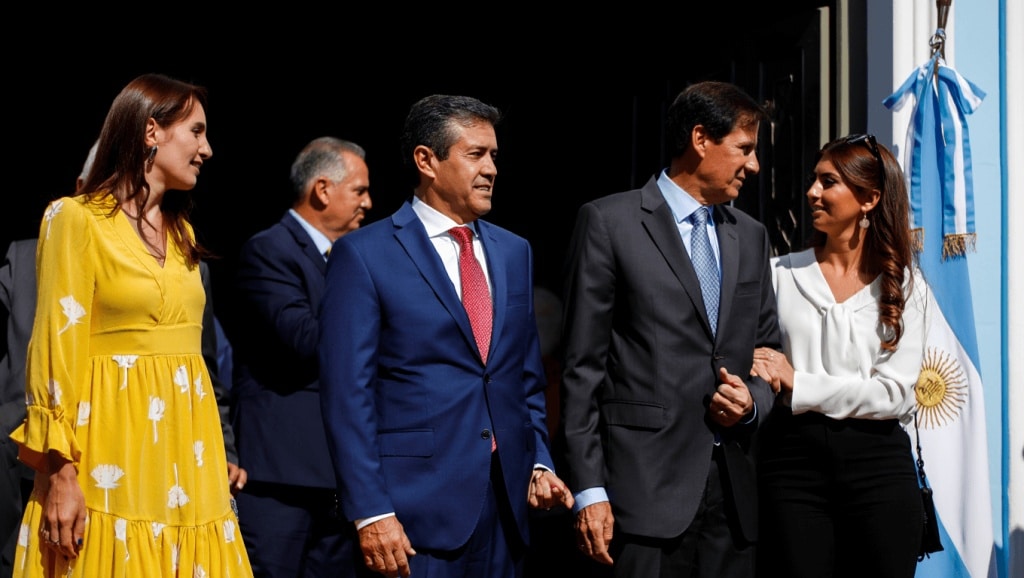
On election day in Argentina, the sartorial choices of candidates, officials, and their partners transcended mere fashion, reflecting strategies that encompass personal taste, comfort, and occasionally superstitions. Each clothing choice, meticulously planned for such a decisive moment, served as a subtle visual code aimed at conveying specific messages about the wearer’s personality and political stance. Fashion experts weighed in on the looks, analyzing how these visual cues might influence voter perceptions during these crucial moments.
Political Figures and Their Election Day Attire
Are some dog breeds dangerous? The importance of responsible ownership to prevent accidents
Cats’ hidden power: How do they trigger irresistible emotions in humans?
The attire worn by political figures during elections does more than meet the eye. It is a carefully orchestrated part of their public persona, sometimes aiming to resonate with or appeal to the electorate on a more personal level.
Subtle Messages Through Style and Color
- Javier Milei, the President, opted for his usual all-black ensemble, reinforcing his non-traditional, informal public image.
- Governor Axel Kicillof and his spouse Soledad Quereilhac chose functional and relaxed outfits, signaling accessibility and ease.
- Patricia Bullrich, a candidate for national senator, maintained a classic look with subtle details that softened her usual stern image.
World Brownie Day: five irresistible recipes to try at home
Strengthen your relationship in the digital age: key tips to connect better
Critical Reviews from Fashion Designers
Designers like Benito Fernández and Claudia Arce provided insights, sometimes critiquing choices like Milei’s all-black look or praising the understated elegance of others.
Detailed Analysis by Experts
- Benito Fernández commented on the need for a lighter touch to Milei’s dark attire.
- Claudia Arce appreciated the simple yet effective style of Kicillof’s attire, aligning with his public image.
- Patricia Profumo noted the coherence in Diego Santilli and Analía Maiorana’s complementary casual styles.
Visual Codes and Election Superstitions
Attire choices on election day often carry deeper meanings, including superstitions that some candidates adhere to, believing certain colors or pieces bring good luck.
Examples of Superstitious Choices
- Jorge Macri repeated his utilitarian green jacket, hinting at a possible lucky charm.
- Juan Schiaretti consistently chose a vibrant red shirt, possibly viewing it as a talisman for electoral success.
Impact of Attire on Voter Perception
The clothing choices of political figures can subtly influence public perception, potentially swaying voters who may feel a stronger connection to candidates who visually align with their own values or aesthetics.
Connecting Through Clothing
- A casual yet neat appearance might suggest approachability and reliability.
- Conversely, overly formal or mismatched outfits might alienate some segments of the electorate.
The strategic use of fashion in politics extends beyond vanity, acting as a non-verbal communicator that can play a critical role in a candidate’s public image and even their electoral success. Each election day outfit, whether critiqued, praised, or analyzed, is chosen with the intent to convey specific messages and connect with voters on a visual and emotional level.

Daniel Harris is a specialist journalist focused on the crossroads of breaking news, extraordinary history, and enduring legends. With a background in historical research and storytelling, he blends timely reporting with timeless narratives, making complex events and ancient myths resonate with today’s readers. Daniel’s work often uncovers surprising links between present-day headlines and legendary tales, offering unique perspectives that captivate diverse audiences. Beyond reporting, he is passionate about preserving oral traditions and exploring how extraordinary stories continue to shape culture and identity.