
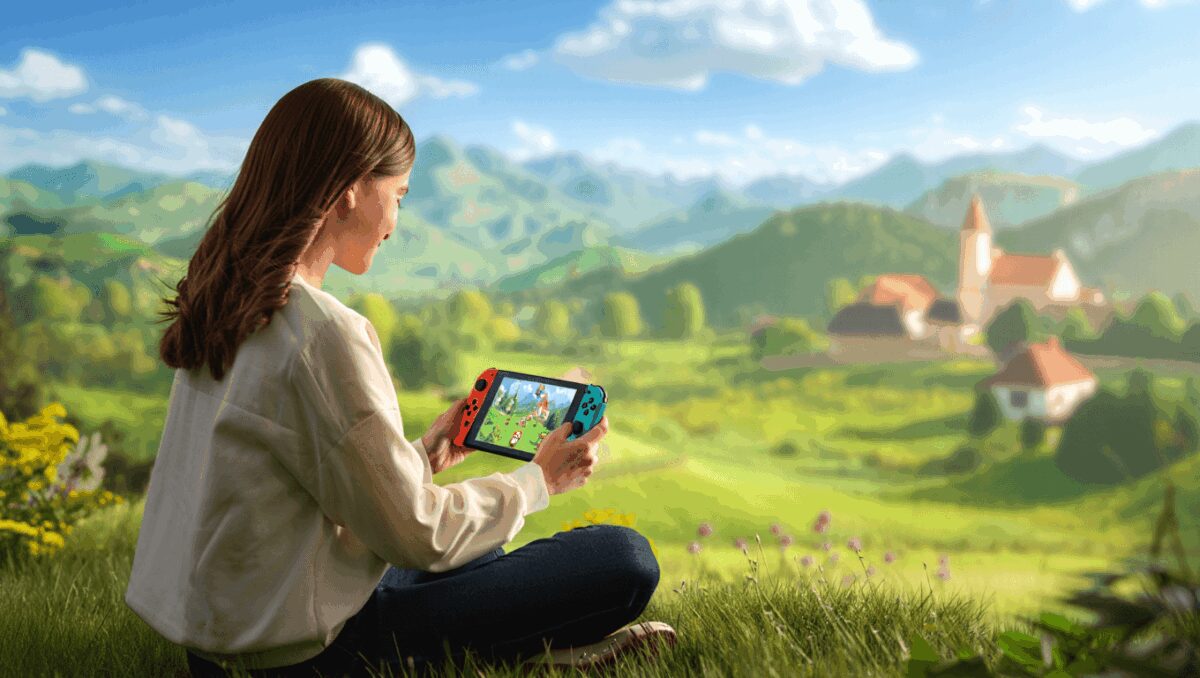
Released March 5, 2026, Pokémon Pokopia recasts the long-running franchise as a slow-burn building sim rather than a turn-based RPG — and that shift matters now because it could steer the series toward quieter, more creative experiences while also giving players a concrete reason to consider upgrading to the Nintendo Switch 2. The game blends familiar creatures and moves with sandbox construction, producing a surprisingly warm, exploratory title that sits halfway between life simulation and light crafting.
Wordle March 13 could wreck 2026 streaks: brutal answer leaves players reeling
Nintendo Switch: 12 cozy games fans of Pokémon Pokopia should try this weekend
Pokopia is the result of a collaboration between Game Freak and Omega Force, and it deliberately leaves Pokémon combat at the door. Instead, players shape the environment using classic moves — think using Water Gun to carve a stream or Cut to clear brush — then build habitats that draw wild Pokémon. The narrative premise is intentionally vague: people are absent, and the focus is on restoring ecosystems and community rather than training for battles. That choice gives the game an unusual tone for the franchise and sets up different stakes for players: creativity and stewardship replace competitive progression.
At a glance
- Platforms: Nintendo Switch 2
- Price: $69 / £58 / AU$109
- Release date: March 5, 2026
- Genre: Life simulation / sandbox
- Developers: Game Freak (Pokémon series) and Omega Force (Dynasty Warriors, Dragon Quest Builders 2)
Mario Nintendo Switch sale: 9 fan-favorite games now deeply discounted
LEGO Star Wars smart bricks debut: 8 new sets now available
How it plays
Gameplay centers on a compounding loop: terraform an area, build structures, attract Pokémon, unlock new tools and materials, then repeat on a larger scale. Early companions like Bulbasaur, Squirtle and Charmander arrive with simple abilities that let you plant grass, douse land, or break obstacles; later unlocks expand into mining, smithing and even electricity systems that enable more complex designs.
The world is larger than it first appears. Four main regions plus a sandbox hub — Palette Town — open up gradually, and each biome introduces new mechanics and resources. That sense of continual discovery keeps the core loop feeling fresh: an island you thought was explored can suddenly reveal a gateway to a new area, or a decorative choice can lure a previously unseen species.
What stands out
Three elements make Pokopia feel distinct within the Pokémon catalog:
- Creative terraforming: Using Pokémon moves to alter terrain adds an organic, tactile feel to world-building.
- Collaborative progression: Pokémon aren’t just collectibles — they contribute unique abilities that feed the player’s building options.
- Pacing and time: Many construction tasks use real-world timers, nudging players to take breaks and return later — a mechanic that shapes long-term play habits.
One of the more surprising hooks is the game’s attention to small, cinematic moments. Story beats are often delivered through quiet interactions and environmental details, which gives the experience a Ghibli-adjacent warmth without ever becoming melodramatic. Nostalgia is used sparingly but effectively: familiar Pokémon appear with new twists, and hidden references to older titles reward longtime fans.
Quality-of-life and frustrations
Pokopia includes several thoughtful conveniences: a vacuum-style pickup for collecting items, webcams to monitor habitats remotely, and inventory upgrades that let you pin important resources for quick access. These features address common grind issues that plague many life sims.
Yet the game also shows some rough edges. The storage and chest system can feel cumbersome — items are scattered across many unmarked containers, which makes inventory management more tedious than it needs to be. That is the single most persistent annoyance and one that could be smoothed in future patches.
Real-time design choices: boon or burden?
Construction timers are a deliberate design decision intended to pace progression and encourage breaks, but they create a trade-off. The delay adds anticipation and can make completed projects feel meaningful, yet it also tempts players to manipulate system clocks — and when you do, the experience can lose its charm. This mechanic will split players who enjoy slow-burn crafting from those who prefer uninterrupted building sessions.
Where it fits in the franchise
Pokopia is not a replacement for the core Pokémon RPGs; rather, it’s an experiment in tone and systems. By sidelining battles, it tests whether the brand’s iconic creatures can carry an experience built around creation and care. If the title performs well, it may encourage more offbeat entries in the franchise or influence features in future mainline releases.
For players deciding whether to invest time (or buy a new console), the game’s strengths lie in its breadth and steady sense of reward. Those who enjoy sandbox design and slow progression will find a lot to love, while players seeking fast-paced action or deep competitive systems should look elsewhere.
Quick pros and cons
- Pros: Expansive world, creative terraforming, charming low-stakes storytelling, useful QoL tools.
- Cons: Clunky storage system, real-time timers that may frustrate some players, occasionally saccharine dialogue.
Pokopia’s release is notable for one more reason: it’s one of the first Pokémon titles that might justify a hardware upgrade for some players. Visual improvements, performance on the new console and the scale of the world make the Nintendo Switch 2 a sensible platform choice if you want the smoothest experience.
Ultimately, Pokémon Pokopia is a persuasive detour for the series — a game that invites creativity instead of competition, and rewards patience more than power. It won’t please everyone, but for those ready to build rather than battle, it offers a rich, surprisingly emotional sandbox to lose yourself in.

Annabelle Ink is a gaming journalist and lifelong gamer who lives and breathes video game culture. From console releases to esports tournaments, this dedicated journalist brings insider knowledge and genuine enthusiasm to every review and feature. Her expertise spans multiple gaming platforms, helping readers discover their next favorite game while staying connected to the pulse of the gaming industry.