
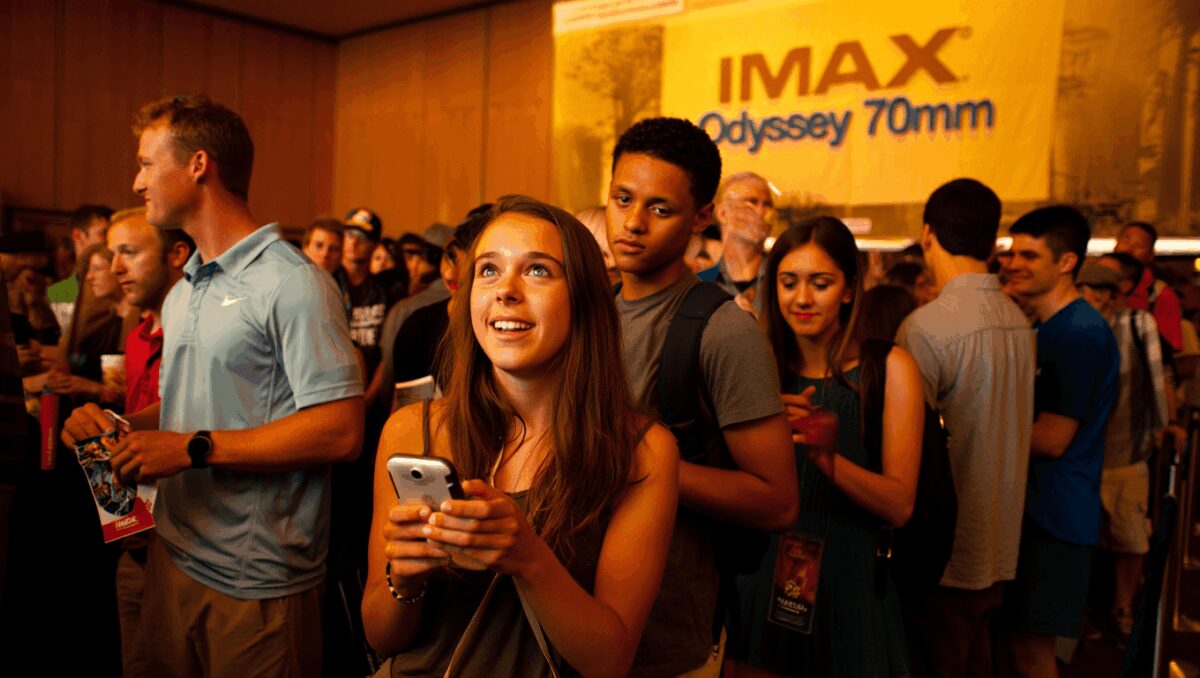
Christopher Nolan’s latest picture arrives July 17 and is already reshaping how audiences plan a summer at the movies: with screenings shot entirely on 70mm IMAX film, demand for the few compatible venues has surged, creating ticket shortages and sparking questions about whether cinemas will invest in traditional film projection again. What happens next could influence exhibition choices for big-budget filmmakers—and where audiences will be able to see them.
Christopher Lee Dracula 4K Blu-ray restored release: never-before-seen footage from global archives
Lego Olivia Rodrigo collection launches: five sets available for preorder, Concert Moon tops list
Reports of fans traveling across states, snapping up multiple seats and even changing personal plans to catch the film reflect an unusually intense appetite for large-format, theatrical experiences. Short clips circulating on social platforms have amplified that perception, showing viewers what standard screens will miss when a movie is captured on full-frame IMAX film.
Why the format is so rare
At the center of the shortage is the technology itself. Only a small handful of cinemas worldwide can run 70mm IMAX prints — industry estimates place that number at roughly 30–40 locations globally, with about 26 in the U.S. and a mere few in the U.K. That scarcity is not new: manufacturers haven’t been producing fresh IMAX film projectors for decades, so venues that want to show these prints must maintain, retrofit or rebuild older equipment rather than buy an off‑the‑shelf replacement.
Netflix AI recreates Gene Wilder voice for Willy Wonka show, sparking outrage
Backrooms extended cut adds 15 minutes of unseen footage: theatrical release date revealed
IMAX’s leadership says the company is exploring how far it can extend and upgrade existing gear to meet rising interest, but converting or adding projection systems is expensive and technically demanding. Depending on model and technology — digital, laser or classic 70mm — installation and hardware can run from several hundred thousand to over a million dollars, with 70mm setups at the top of that scale.
Box office buzz — and the business gamble
The film’s opening-weekend forecasts underline why exhibitors are paying attention: some industry estimates put the international opening gross near $200 million. That kind of draw makes the prospect of more big-screen, film-format releases tantalizing for cinema chains.
Still, theater executives face a familiar trade-off: the high upfront cost of acquiring or restoring projection systems versus uncertain follow-through from other studios. A single blockbuster can fill seats, but there’s no guarantee future releases will sustain the same level of demand for 70mm presentations. Meanwhile, streaming platforms continue to shape release strategies, often prioritizing direct-to-service windows or selective theatrical runs.
Executives at major streamers have acknowledged they work with filmmakers who prioritize theatrical exhibition — but not all projects align with their distribution plans, which complicates any industry-wide swing back to analogue projection.
- Availability: Very few cinemas can run full 70mm IMAX prints, creating geographic scarcity and sold-out shows in major cities.
- Cost: Upgrading or installing projection hardware is a multimillion-dollar consideration for chains and independent cinemas alike.
- Risk: Box office success for one film does not guarantee long-term demand for the format.
- Audience behavior: High-profile titles can drive ticket-buying sprees and longer booking windows, changing how people plan visits to the cinema.
- Industry signal: Strong turnout may encourage studios and filmmakers to consider theatrical-first approaches for future prestige projects.
For moviegoers, the immediate consequence is practical: if you want the full IMAX 70mm experience you may need to plan travel and book early, because screenings are filling far ahead of release. For exhibitors and manufacturers, the choice is more strategic — whether to gamble on retrofitting projection suites or to continue relying on more flexible digital and laser systems.
Whether Nolan’s film becomes a turning point for exhibition will depend on long-term audience behavior and how many studios decide to follow his lead. For now, the rush to secure tickets — with some major venues reportedly sold out weeks into the run — is the clearest sign that a segment of the public still values cinema at its largest scale.

Jessica Morrison is a seasoned entertainment writer with over a decade of experience covering television, film, and pop culture. After earning a degree in journalism from New York University, she worked as a freelance writer for various entertainment magazines before joining red94.net. Her expertise lies in analyzing television series, from groundbreaking dramas to light-hearted comedies, and she often provides in-depth reviews and industry insights. Outside of writing, Jessica is an avid film buff and enjoys discovering new indie movies at local festivals.