
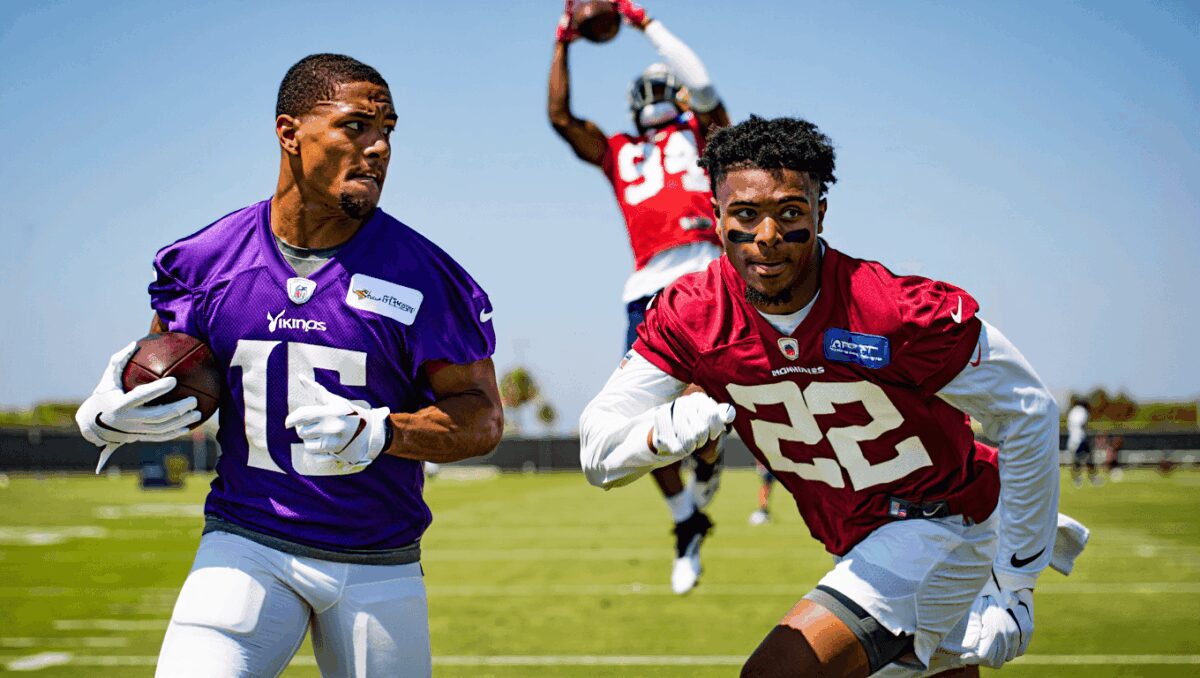
Three notable roster moves this week are already reshaping early expectations: the Minnesota Vikings have added a new quarterback, the San Francisco 49ers have brought back a former defensive standout, and the Washington Commanders have reinforced their rushing attack. These changes matter now because they alter depth charts and strategic options ahead of training camp and the regular season.
What the Vikings’ quarterback change means
Players Championship live: McIlroy makes late arrival as rain suspends opening round
AP men’s top 25: Michigan State surges as Purdue tumbles
Replacing or adding a signal-caller shifts the offense’s immediate outlook. A new quarterback can change play-calling balance, influence receiver roles and affect the team’s short-term win projections.
Cognizant Classic: Nico Echavarria snatches victory after Shane Lowry collapses late
Hilary Knight quips about Trump phone call on SNL: moment steals the show
For Minnesota, the most immediate consequences are practical: adjusting the practice rep allocation, reworking timing with the receiving corps, and clarifying who will take late-game responsibilities. Coaches will use the summer to assess chemistry and decision-making under pressure; how quickly that comes together will determine whether the move is a long-term solution or a stopgap.
San Francisco reunites with a defensive veteran
Bringing back a familiar defender gives the 49ers an experienced voice and a known schematic fit. A returning player who already understands the system reduces ramp-up time and can plug into both base packages and specialized personnel groups.
That continuity is valuable for a defense that prizes alignment and assignment discipline. Beyond on-field snaps, the signing provides immediate depth and mentorship for younger players competing for rotational snaps.
Commanders shore up the run game
Strengthening the ground attack changes the way an offense controls games and manages clock. Enhanced rushing options force opposing defenses to commit more personnel to the box, which can open passing lanes and reduce turnover risk.
For Washington, investing in the run—whether by adding a back, upgrading blockers, or creating more reliable short-yardage options—signals a commitment to a more balanced attack and fewer one-dimensional drives.
- Vikings: New quarterback alters competition and offensive planning; expect a focus on timing drills in camp.
- 49ers: Return of a defensive veteran provides immediate schematic familiarity and leadership.
- Commanders: Improvements to the rushing game aim to sustain drives and control tempo.
What to watch next: preseason reps, early training-camp reports and snap counts will reveal whether these moves are transformative or incremental. Coaches’ comments in the next few weeks should clarify immediate plans and outline how each addition fits into the season-long strategy.

Michael Brown is a seasoned sports journalist bringing years of experience covering professional athletics and sporting culture. With a keen eye for breaking stories and player dynamics, this veteran journalist delivers in-depth analysis and exclusive insights from the world’s biggest sporting events. His passion for the game shines through in every story, keeping fans connected to the action both on and off the field.