
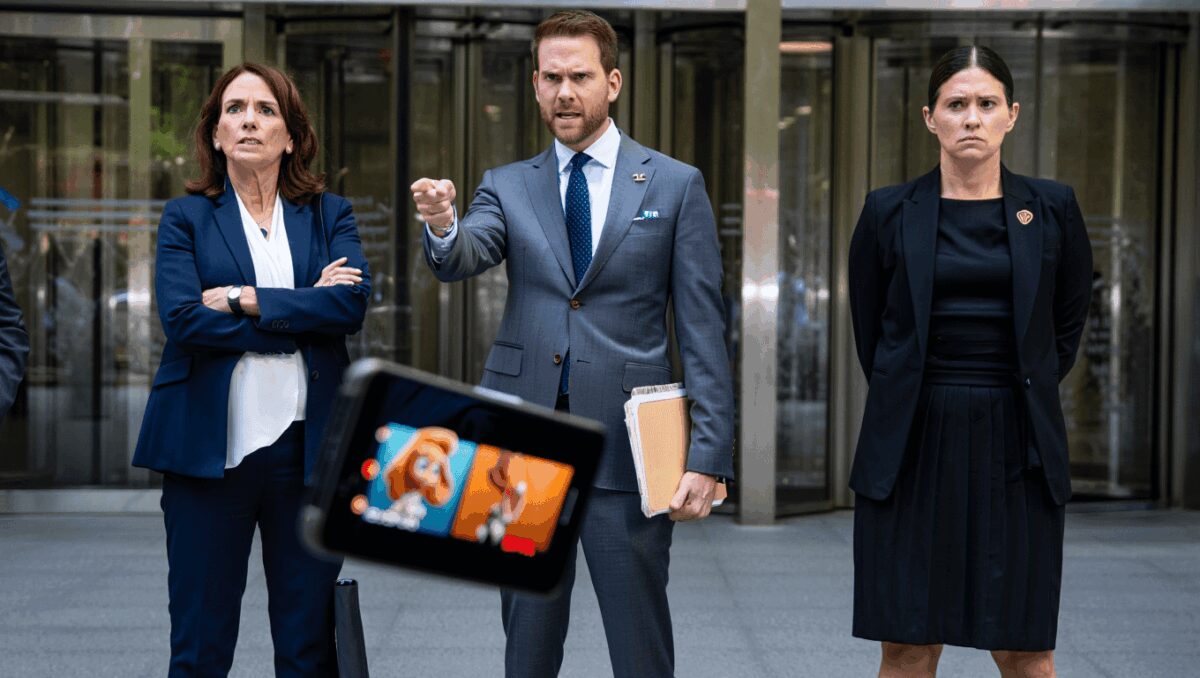
Netflix has escalated its dispute with ByteDance over an AI video tool after seeing its characters repurposed in realistic, user-generated clips. The streaming giant’s legal move exposes growing tensions between Hollywood rights holders and the makers of generative video platforms — and it raises immediate questions about how copyrighted characters and real people will be protected online.
Marian Keyes adaptation on BBC iPlayer forges cast into a close-knit family
Spider-Man: Brand New Day’s MCU timeline placement and plot secrets revealed
On February 17, Netflix delivered a formal cease-and-desist to ByteDance, the parent company of the generative video app Seedance 2.0, warning that recent AI creations misused its copyrighted material. The letter singled out clips that re-created scenes and characters from high-profile Netflix series, and it demanded the company curb unauthorized uses or face further legal steps.
Seedance 2.0 — released publicly on February 12 — can produce near-photoreal footage from short text prompts, and several early demonstrations spread quickly across social platforms. One of the videos that drew attention showed actors inserted into an intense rooftop fight; another reimagined a deadly game sequence with public figures placed inside. The speed and realism of those clips prompted rapid pushback from studios and performers’ groups.
America’s Next Top Model documentary drops today on Netflix with shocking revelations
Dana Eden dies at 52, Tehran producer found dead in Athens hotel
Already, major entertainment companies have issued complaints. Executives at Disney, Warner Bros. and Paramount have told ByteDance the tool is being used to appropriate well-known characters and scenes without permission. The Screen Actors Guild‑American Federation of Television and Radio Artists (SAG‑AFTRA) flagged the use of Tom Cruise and Brad Pitt’s likenesses in a viral Seedance clip as unacceptable.
What ByteDance says
In response to the backlash, a company spokesperson told industry outlets on February 16 that ByteDance recognizes intellectual property concerns and is working to strengthen safeguards in Seedance. The statement said the firm was taking steps to limit unauthorized use of copyrighted characters and real‑world likenesses, without offering a detailed enforcement timeline.
The exchange highlights an emerging pattern: AI platforms rapidly add powerful content‑creation features, then face pressure from rights holders to block or police infringing outputs. Some firms will pursue legal remedies; others may seek negotiated licensing frameworks.
- Key dates: Viral clips circulated in early February; Seedance 2.0 rolled out on February 12; Netflix’s legal notice arrived February 17.
- Notable franchises involved: Clips have featured figures or scenes reminiscent of Stranger Things, Bridgerton, Squid Game, and other studio-owned properties.
- Industry response: Disney, Warner Bros., and Paramount have issued warnings; SAG‑AFTRA criticized unauthorized use of actors’ likenesses.
- Platform reaction: ByteDance says it will tighten protections but has not outlined specific measures yet.
The dispute sits inside a wider legal and commercial limbo. On one hand, studios are actively protecting franchises and performers. On the other, some media companies have explored licensing deals with AI developers — for example, recent multi‑year agreements that allow controlled use of certain characters in shortform AI content. Those deals demonstrate that cooperation is possible, but they also underline the uneven rules that currently govern AI content creation.
Legal experts say rights holders have several tools: takedown notices, copyright suits, and demands for platform-level filtering. Litigation could hinge on whether the AI provider knowingly enabled infringing outputs or failed to implement reasonable safeguards. Courts will also weigh claims over unauthorized use of a person’s likeness, which is a separate and increasingly prominent legal front.
Why this matters now
The Netflix‑ByteDance clash matters because it tests how fast rights enforcement can keep pace with technological change. If generative video tools become ubiquitous and unregulated, studios, performers and audiences will face a new flood of manipulated content — with implications for reputation, revenue and public trust. For consumers and creators, the outcome will shape what is allowed to be created, shared and monetized online.
The immediate future is uncertain. ByteDance’s pledge to tighten controls may reduce some misuse, but meaningful resolution likely requires clearer industry standards, updated laws and technical safeguards built into AI tools. Expect more cease‑and‑desist letters — and possibly lawsuits — as studios decide whether to pursue enforcement or negotiation.
For now, the episode is a concrete reminder that generative video is no longer a niche experiment: it is a rapidly maturing technology that is forcing established media companies, platforms and regulators to rethink long‑standing rules about copyright and personal likeness in the digital age.

Jessica Morrison is a seasoned entertainment writer with over a decade of experience covering television, film, and pop culture. After earning a degree in journalism from New York University, she worked as a freelance writer for various entertainment magazines before joining red94.net. Her expertise lies in analyzing television series, from groundbreaking dramas to light-hearted comedies, and she often provides in-depth reviews and industry insights. Outside of writing, Jessica is an avid film buff and enjoys discovering new indie movies at local festivals.