
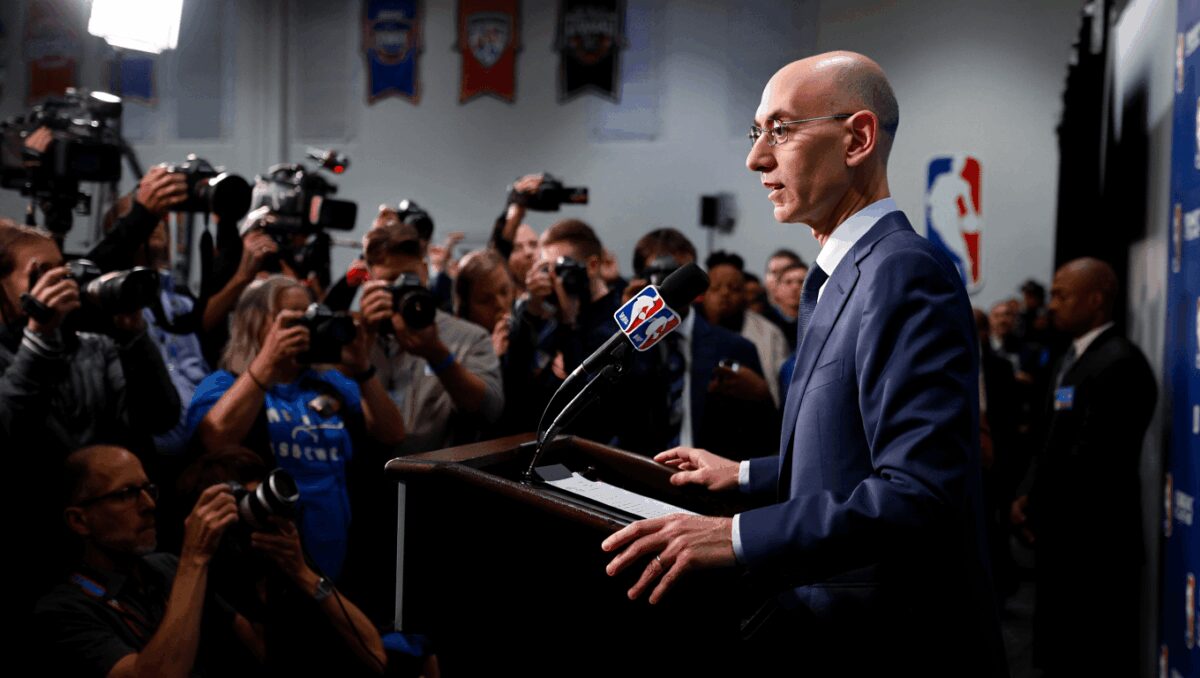
The NBA is preparing to roll out concrete changes aimed at curbing team strategies that encourage losing for better draft positioning, commissioner Adam Silver told the league’s general managers this week. The move matters now because it would reshape roster decisions, trading incentives and the late-season calculus for teams hovering around the play-in and lottery cutoffs.
Chicago Bears headed to Indiana: relocation appears imminent
Cagliari faces Lecce tonight in Serie A showdown, Rossoblu seek top-half push
Recent league action underscored the urgency: teams including Utah and Indiana were fined after the NBA concluded certain players were kept out of games for reasons tied to competitive manipulation. Those penalties, paired with Silver’s blunt assessment that current deterrents “are not working,” pushed anti-tanking proposals into active consideration.
Proposals being discussed
- Restrict pick protection — Limit protections on traded first-round picks so they can only be guarded in narrowly defined ways (for example, only top-four protection or protection that kicks in after a very high selection threshold).
- Freeze lottery odds at the trade deadline — Lock teams’ draft odds on the date of the NBA trade deadline (or another designated cutoff) so late-season losing wouldn’t improve a club’s lottery chances.
- Ban back-to-back top-four picks — Prevent teams from landing top-four lottery slots in successive years, and/or bar a top-four slot after consecutive bottom-three finishes.
- Disallow a top-four pick after playoff success — Stop teams from securing a top-four lottery position the season following a conference-finals appearance.
- Use two-year records for odds — Allocate lottery chances using combined results from the previous two seasons, reducing the payoff from a single losing year.
- Include play‑in teams in the lottery — Extend draft-lottery eligibility to teams that reach the play-in tournament, lowering the appeal of slipping out of postseason contention intentionally.
- Flatten lottery probabilities — Narrow the gap in odds among all lottery entrants so finishing dead last no longer carries a dramatically higher chance at the top pick.
Girona faces Barcelona tonight in La Liga showdown, Barcelona chases lead
East Texas A&M faces Southeastern in Family Fun Day matchup today
ESPN’s Shams Charania reported Silver relayed these possible measures to all 30 general managers, with the expectation that at least some will be adopted before next season.
How the changes would ripple across the league
Each proposal alters incentives in different ways. For example, freezing odds at a set date would remove the benefit of late-season tanking but could prompt teams to begin losing earlier in the schedule to secure poor records before the cutoff. Flattening the lottery makes finishing last less profitable, but could also reduce the urgency for truly bad teams to rebuild aggressively.
Using a two-year record would reward sustained failure less and steady improvement more, while expanding lottery access to play-in teams aims directly at teams sitting just outside playoff contention who might otherwise prefer to miss the postseason to chase a higher draft slot.
Some ideas would also affect trades. Narrower protections on future first-rounders could discourage certain blockbuster deals or change how front offices value picks, particularly when teams must weigh the risk of losing a pick versus immediate roster upgrades.
Legal and labor considerations remain: any structural change to the draft or lottery likely requires collective-bargaining review and buy-in from owners, and could spark negotiation with the players’ association if it alters economic or competitive conditions for players.
What to watch this offseason
Expect the debate to intensify over the next few months as the league, teams and agents parse unintended consequences. If the NBA moves ahead with one or more of the proposals Silver outlined, the next season’s endgame for fringe playoff clubs and rebuilding franchises could look very different.
For fans, the main takeaway is simple: the league is no longer discussing tanking as an abstract problem. Concrete rule changes are being fast-tracked — and those changes will influence when teams rest players, how they value draft picks, and how aggressively they pursue short-term wins versus long-term assets.

Michael Brown is a seasoned sports journalist bringing years of experience covering professional athletics and sporting culture. With a keen eye for breaking stories and player dynamics, this veteran journalist delivers in-depth analysis and exclusive insights from the world’s biggest sporting events. His passion for the game shines through in every story, keeping fans connected to the action both on and off the field.