
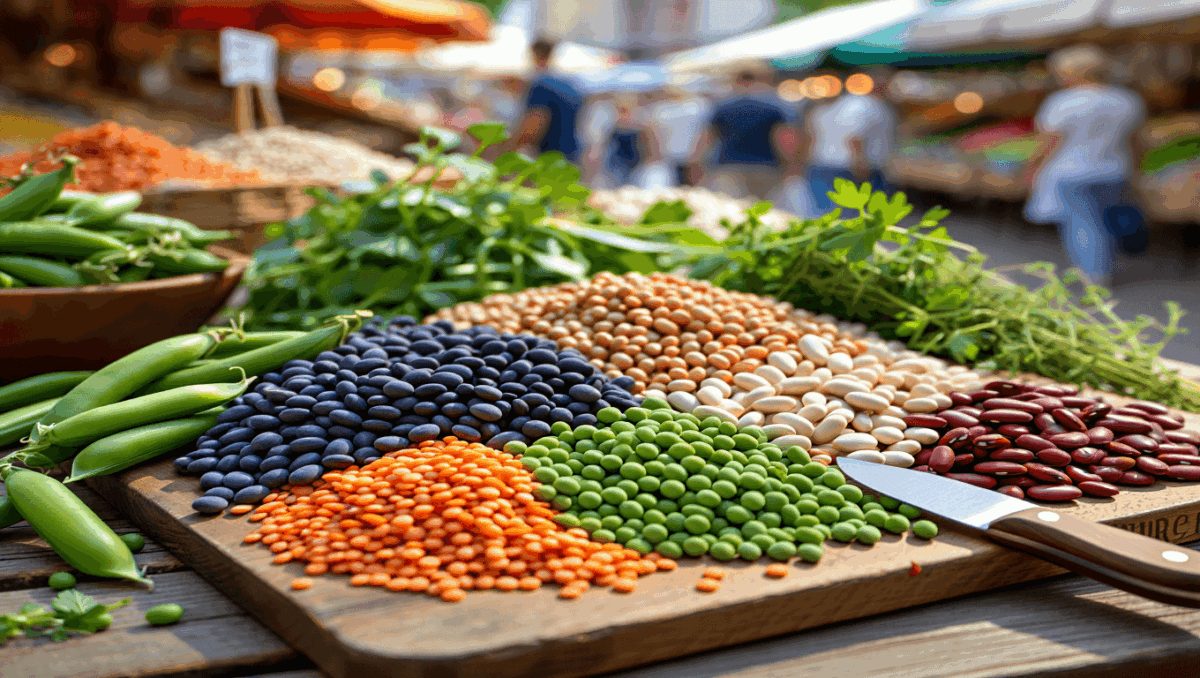
The rising popularity of legumes, supported by nutrition experts and celebrated chefs in the UK, underscores their crucial role in a healthy diet. The British charity Food Foundation’s campaign, “Bang in Some Beans,” highlights a concerning statistic: diets low in legumes are linked to up to 9,000 premature deaths annually in the UK. Extensive research, including a 30-year Harvard University study of 206,000 people, shows that legume-rich diets significantly reduce premature deaths from various conditions and improve overall health. Furthermore, recent findings published in eBioMedicine reveal that daily bean consumption can enhance intestinal health and the effectiveness of cancer treatments.
Understanding the Health Impact of Legumes
Are some dog breeds dangerous? The importance of responsible ownership to prevent accidents
Cats’ hidden power: How do they trigger irresistible emotions in humans?
Legumes are not only a staple in dietary recommendations due to their high fiber and protein content, but their regular consumption is associated with lower rates of heart disease, type 2 diabetes, and certain cancers. Linia Patel, a spokesperson for the British Dietetic Association, emphasizes that despite Public Health England’s inclusion of legumes in the recommended five daily servings of fruits and vegetables, their intake remains insufficient across many households. Patel advocates for doubling the typical consumption to 30 grams daily to achieve tangible health benefits, highlighting their role in weight management, chronic disease risk reduction, and providing an affordable, sustainable nutrient source.
Nutritional Benefits of Regular Legume Intake
Legumes are praised for their ability to stabilize blood sugar levels and prolong satiety, aiding in weight management. Research published by Linia Patel in the European Journal of Clinical Nutrition found that just three tablespoons of cooked legumes per week could reduce colon cancer risk by 21%. Nutritionist Rhiannon Lambert, author of “The Fibre Formula,” notes that legumes can improve digestive health, reduce overall food intake, and enhance metabolic health. Despite their nutritional equivalence, Patel points out that processed legumes like canned versions may contain more salt or preservatives; however, rinsing them before use can effectively reduce sodium content.
Exploring the Healthiest Legume Varieties
World Brownie Day: five irresistible recipes to try at home
Strengthen your relationship in the digital age: key tips to connect better
Among the vast array of legumes, chickpeas stand out for their bone-strengthening properties and rich content of folate, manganese, and phosphorus. Research in Nutrients links their consumption to higher levels of fiber, vitamins, and minerals. Similarly, data from the Canadian Medical Association Journal indicates that chickpeas and lentils can decrease LDL cholesterol levels. White beans are another excellent source of plant protein and fiber, with research from Texas A&M University showing that daily consumption can enhance gut microbial diversity, crucial for colon health. Other notable legumes include black beans, known for their anti-inflammatory properties and anxiety reduction benefits, and red beans and cannellini, which are high in protein, fiber, iron, and other micronutrients.
The Unique Advantages of Soy and Other Alternatives
Soybeans and edamame provide high-quality protein and isoflavones, plant compounds similar to estrogen, which are effective in managing menopause symptoms such as hot flashes. According to nutritionist Eli Brecher, cited in Advances in Nutrition, these components, along with saponins and omega-3 fatty acids, support cardiovascular health. Lastly, cranberry beans, a staple in Mediterranean cuisine, bolster intestinal microbiota and combat colon inflammation, showcasing the broad spectrum of health benefits offered by diverse legume varieties.

Daniel Harris is a specialist journalist focused on the crossroads of breaking news, extraordinary history, and enduring legends. With a background in historical research and storytelling, he blends timely reporting with timeless narratives, making complex events and ancient myths resonate with today’s readers. Daniel’s work often uncovers surprising links between present-day headlines and legendary tales, offering unique perspectives that captivate diverse audiences. Beyond reporting, he is passionate about preserving oral traditions and exploring how extraordinary stories continue to shape culture and identity.