
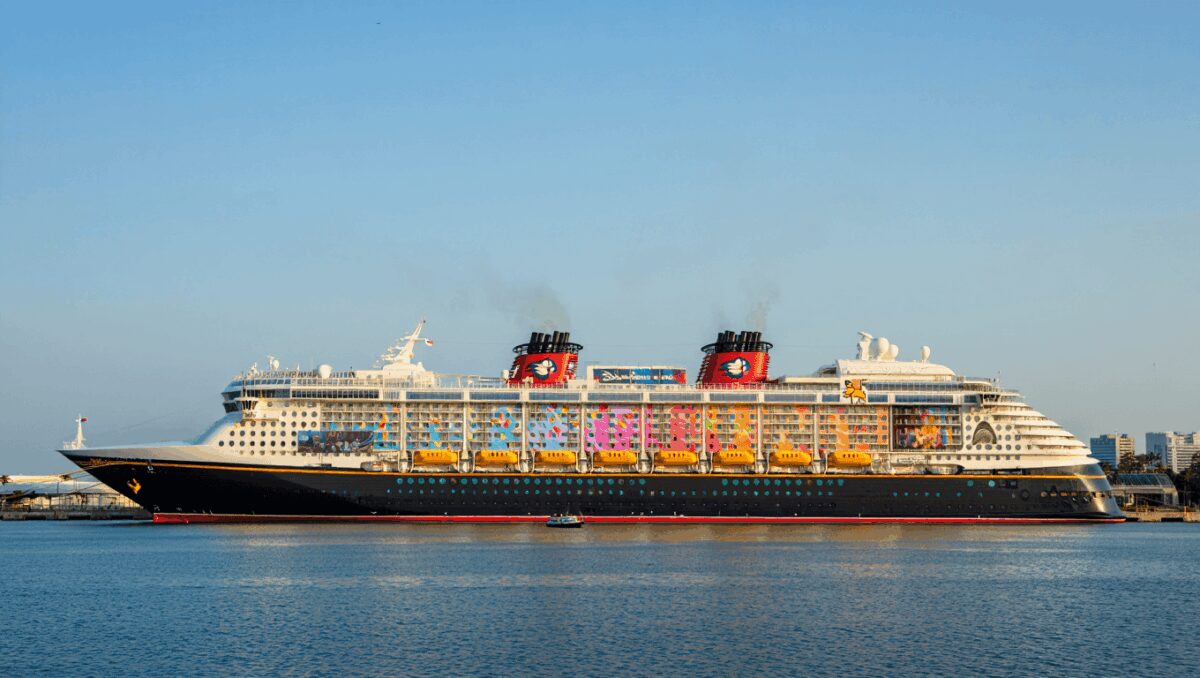
The new Disney Adventure arrives with a string of firsts: it will be the largest ship in the fleet, based in Singapore — a debut homeport for Disney Cruise Line — and it was completed only after Disney’s creative teams transformed a half-built hull into a fully realized Disney ship. That rework produced a dramatic centerpiece, the Imagination Garden, which reshapes how the company stages entertainment at sea.
Big ship, new base
Spider-Man trailer rumor points to release date: Sony could unveil new Marvel movie
Disney World Buzz Lightyear ride returns with revamped blasters, new animatronics and targets
At 1,122 feet (342 meters) long and rising across 19 decks, the Disney Adventure surpasses both the Disney Treasure and Disney Destiny in scale. Docking in Singapore marks the company’s first permanent operating base in the region, extending Disney’s cruise footprint into new waters and guest markets.
James Gunn’s Superman sequel nabs fan-favorite hero: character joins DCU project due this year
March 2026 movie lineup: top theatrical releases to watch this month
The vessel arrived at Disney’s design teams only partially finished, forcing Imagineering and live-entertainment engineers to adapt existing plans and innovate around constraints posed by the ship’s pre-built structure.
Imagination Garden: a Main Street rethought
The ship’s social and entertainment heart is the Imagination Garden, a multilevel open space inspired by Disney animation history and built like a seaside Main Street. It features the cruise line’s first-ever “castle at sea” and a central stage intended for both small character moments and full-scale productions.
Designers described the stage as a platform for immersive storytelling: daytime sail-away celebrations, family meet-and-greets, and evening spectacles that rely on complex lighting, video and rigging systems to create shifting environments.
Key technical highlights
- Length: 1,122 ft (342 m); decks: 19; homeport: Singapore.
- LED centerpiece: roughly 5.5 million pixels across a display nearly 30 feet tall that wraps about 50 feet.
- Audio array: 27 modules in 81 arrays driving about 2,400 speakers, concealed behind the screen.
- Flight system: heavy-duty winches and 3D performer rigging built into the ship’s structure.
- Weight reduction: nearly 70 tons of steel removed through material and design changes to meet ship limits.
Video, sound and the invisible tech
The centerpiece LED is not just a big screen. Imagineers and audio teams used a transparent or mesh LED approach so sound could pass through the display, allowing the loudspeaker system to be hidden directly behind the pixels rather than mounted around the stage.
This setup—dozens of modules and hundreds of speaker elements—lets the production keep audio focused on the garden area and limits noise for adjacent staterooms. It’s an unusual solution for a cruise ship and reflects an attempt to balance immersion with onboard comfort.
Flight that moves in three dimensions
Marvel-led shows such as “Avengers Assemble!” are planned for the garden, with superheroes and other performers flown across the space. Unlike earlier ship stages that relied on two-axis movement, this rigging is built for full three-dimensional flight paths, letting performers sweep from one balcony to another or arc across the open space.
Installing those systems presented practical headaches: the winches are large and had to be lowered into position through sections of the ship’s structure, work that required temporarily exposing and then resealing parts of the ceiling.
Because the Imagination Garden sits amid guest balconies and cabins, the proximity of flying performers will be a very different viewing experience from traditional pool‑deck shows—closer and more vertical.
Engineering under tight limits
Cruise-ship construction enforces strict weight budgets, and converting a partially built vessel into a full Disney production stage pushed engineers to make trade-offs. The Imagineering team pared back heavy materials and reworked components to shave about 70 tons of steel from the original concepts so the ship could remain within stability and safety margins.
Those choices influenced finishes, support structures and how equipment was integrated, showing how creative ambition was balanced against naval engineering realities.
For readers interested in the making-of story, Disney’s behind-the-scenes series covers the project’s technical and creative challenges; the relevant episode is available on YouTube now and is slated to stream on Disney+ in the near future.
What this means for guests: a larger ship with a purpose-built central entertainment space, new storytelling tools that combine video, hidden audio and advanced flight effects, and a more intimate theatrical experience for cruisers in Southeast Asia and beyond.

Jessica Morrison is a seasoned entertainment writer with over a decade of experience covering television, film, and pop culture. After earning a degree in journalism from New York University, she worked as a freelance writer for various entertainment magazines before joining red94.net. Her expertise lies in analyzing television series, from groundbreaking dramas to light-hearted comedies, and she often provides in-depth reviews and industry insights. Outside of writing, Jessica is an avid film buff and enjoys discovering new indie movies at local festivals.