
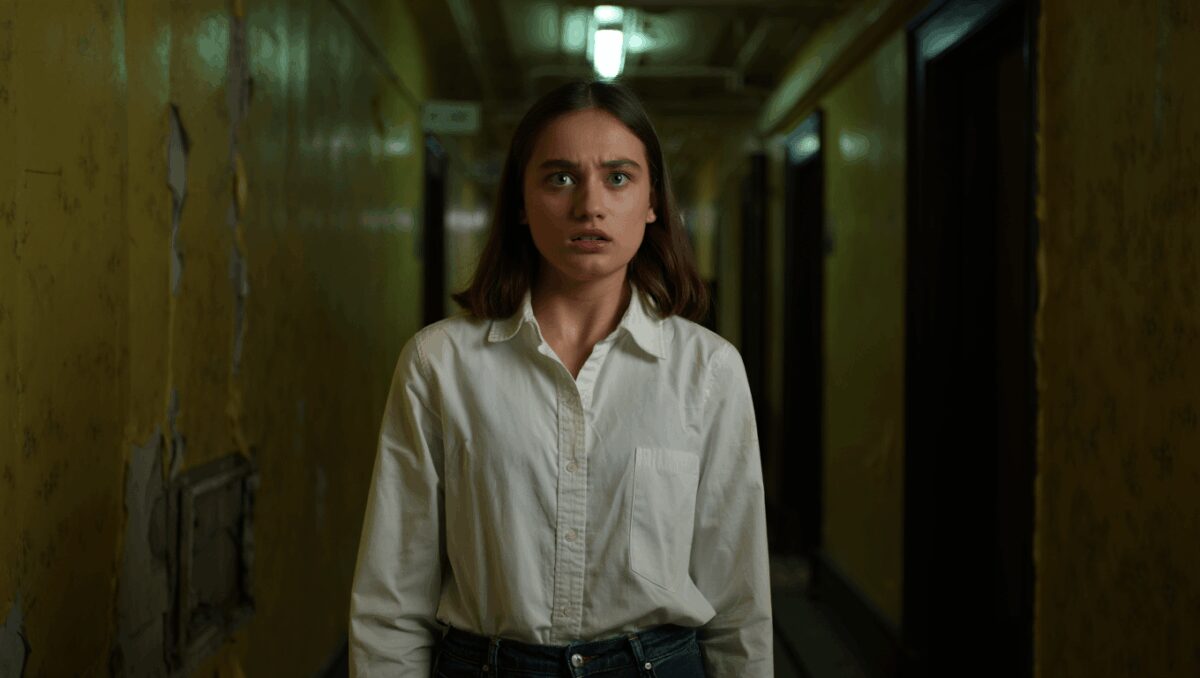
A24 has released a new teaser for its film adaptation of the internet horror phenomenon Backrooms, setting a theatrical debut for May 29. The short clip and the production team behind it suggest the studio is aiming to bring the unsettling logic of online creepypasta into mainstream cinema—and that matters because it signals how digital folklore is reshaping genre filmmaking.
Supergirl cast announced: Milly Alcock, Jason Momoa lead full DC Universe lineup
Clayface movie arrival set: when it hits theaters, who’s starring and what to expect
The teaser leans into the concept’s defining unease: familiar interiors that feel wrong in scale and intent, spaces that loop and fray at the edges. Sparse dialogue and intermittent visuals in the trailer emphasize mood over explanation, a choice that mirrors earlier, low-fi Backrooms iterations that relied on atmosphere rather than plot mechanics.
What we know so far
The film centers on a therapist whose patient disappears into a parallel, maze-like reality; the cast includes Chiwetel Ejiofor and Mark Duplass. Direction is credited to Kane Parsons, the filmmaker behind a popular web series inspired by the same mythos, which helps explain the adaptation’s fidelity to the source material’s tone.
- Studio: A24
- Release date: May 29 (theatrical)
- Director: Kane Parsons
- Based on: the “Backrooms” creepypasta and associated internet lore
- Main cast: Chiwetel Ejiofor, Mark Duplass
- Themes: liminal spaces, disorientation, reality slippage
Apple F1 race-day coverage debuts: Apple TV race features and rare Netflix Drive to Survive tie-up
Disneyland unveils major changes to streamline visits: from online booking to tram ride home
That list captures the basics, but the film’s larger significance is in how it translates an inherently participatory, crowd-sourced myth into a studio narrative. The Backrooms started as short-form scares shared across forums and social platforms; adapting that fragmented storytelling for a feature-length film raises questions about fidelity and scale.
Why the timing matters
Horror in 2026 has leaned heavily on atmosphere and concept-driven premises, and this release arrives amid several other entries exploring similar territory—movies that make isolation and architecture the antagonist rather than a single monster. A24’s backing gives the project visibility and resource depth that smaller creators didn’t have, which could either deepen the myth through striking production design or dilute its idiosyncratic, grassroots edge.
For viewers, the stakes are twofold: a successful film could expand the Backrooms universe and normalize internet-born horror on big screens; a misfire might highlight the limits of translating community-driven narratives into conventional studio formats. Either outcome will influence how studios approach other digital-age properties moving forward.
Trailer notes — tone, not spoilers
The teaser avoids explicit explanation and instead offers sensory fragments: fluorescent lighting, endless corridors, abrupt silences and close-ups that imply pursuit or panic without showing the pursuer. That restraint suggests the filmmakers are prioritizing the original concept’s ambiguity—an approach likely to appeal to fans who value the story’s unreadable logic.
At the same time, the involvement of established actors signals a mainstream push: recognizable talent may make the story accessible to broader audiences but also changes expectations of pacing and character focus.
How the film balances those elements—mood versus plot, mystery versus resolution—will determine whether it becomes a faithful expansion of the myth or a new, studio-shaped interpretation.
What to watch for next
- Full trailer release and whether it reveals narrative beats or keeps the mystery.
- Interviews or behind-the-scenes details about production design and how the film constructs its liminal environments.
- Critical and audience reaction at release, which will indicate whether internet-native horror translates to wide theatrical appeal.
With its May 29 opening, A24’s Backrooms presents an early test case in how studio films can adapt and amplify the aesthetics of online horror. The teaser offers a measured first look: it doesn’t answer the story’s questions, but it does make the central promise clear—this is a film built around unsettling, familiar spaces that refuse to make sense.

Jessica Morrison is a seasoned entertainment writer with over a decade of experience covering television, film, and pop culture. After earning a degree in journalism from New York University, she worked as a freelance writer for various entertainment magazines before joining red94.net. Her expertise lies in analyzing television series, from groundbreaking dramas to light-hearted comedies, and she often provides in-depth reviews and industry insights. Outside of writing, Jessica is an avid film buff and enjoys discovering new indie movies at local festivals.