
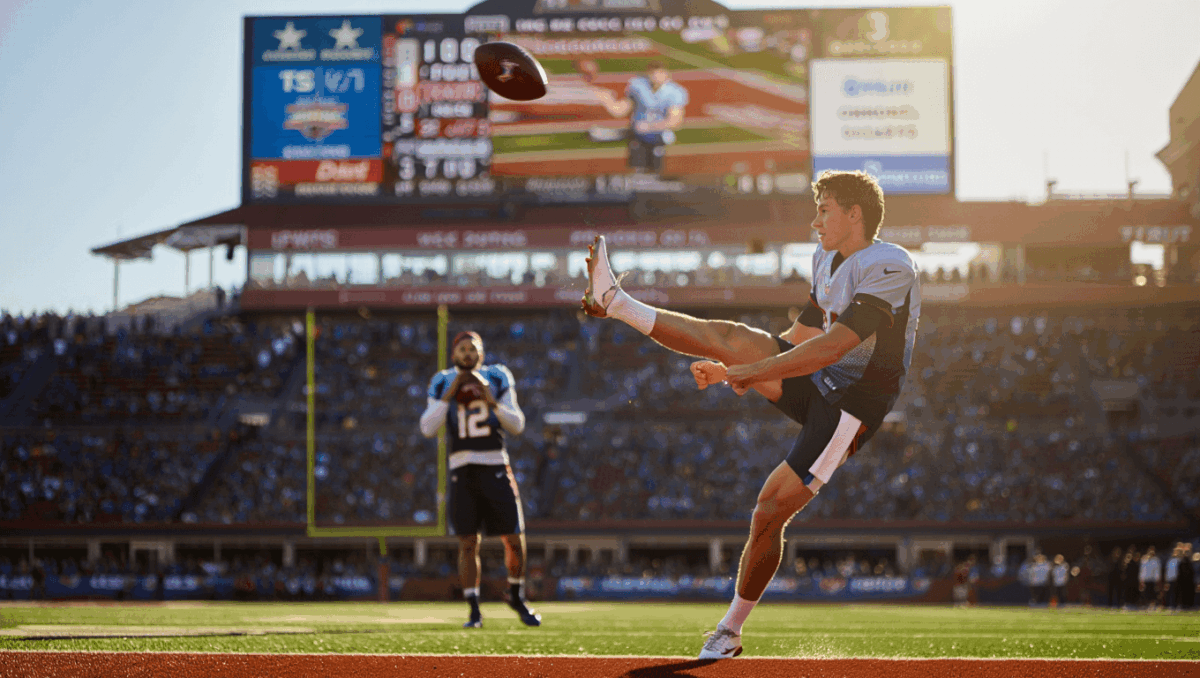
Touchback in football matters more now after recent kickoff rule changes. Coaches are rethinking kickoff strategy. This preview explains the timeline and impact.
🔥 Quick Facts
- Rule change: the NCAA and NFL adopted new kickoff fair catch rules affecting touchbacks.
- Placement: since 2025 some kickoff touchbacks place the ball at the 35-yard line.
- Source: reporting from ESPN and rule notes on NFL.com outline the changes.
- Impact: the adjustments alter kickoff returns and team strategy on field position.
How a Touchback in Football Affects kickoff strategy
Cagliari faces Lecce tonight in Serie A showdown, Rossoblu seek top-half push
Girona faces Barcelona tonight in La Liga showdown, Barcelona chases lead
The term touchback means the receiving team starts at a set yard line. Coaches now weigh safe placement against return value.
On kickoffs the new rules push many touchbacks to the opponent’s benefit. Special teams coordinators adjust kickoff depth and hang time.
East Texas A&M faces Southeastern in Family Fun Day matchup today
Macclesfield faces Brentford tonight in FA Cup fourth-round showdown
Expect more directional kicks and attempts to force a return. Teams aim to avoid giving easy field position to opponents.
Why the 35-yard placement is changing decisions
The 2024 and 2025 changes move placement for some touchbacks to the 35. That shift reduces the reward of long touchbacks.
Returners and coaches now calculate expected yardage differently. When the ball sails over the end zone, the benefit to the defense grows.
Special teams play will emphasize coverage and placement over pure power. Kickers may use technique to force bounces instead.
Where the ball is placed after a touchback
Placement depends on how the kick enters the end zone and on the rule set. Below are verified placements across levels and situations.
| Situation | Placement |
| Kickoff sails into or over end zone on the fly (NFL, 2025 rule) | 35-yard line |
| Kickoff bounces into end zone and is downed | 20-yard line |
| Fair catch on kickoff (NCAA, NFL adopted similar rule) | 25-yard line |
| Other touchbacks on scrimmage plays or punts | 20-yard line |
These placements reflect league rule adjustments and official announcements. Coaches now factor these spots into fourth quarter decisions.
Common situations and how teams adapt
Teams often choose hang-time kicks to limit returns. That tactic interacts with touchback placement and expected starting position.
Some teams will aim for bouncing kicks to force a 20-yard start for the opponent. Others may accept a 25 or 35-yard touchback.
Special teams staffs will mix strategies depending on opponent strengths. The safest plan often wins late-game field position battles.
Will coaches stop returning kickoffs because of this rule?
The rule makes returns less attractive in many situations. Coaches will teach returners to read placement outcomes quickly.
Game plans may favor fair catches inside the 25. Expect tactical tradeoffs between aggression and guaranteed field position.
Over a season, teams that adapt fastest will gain small but meaningful advantages. Watch for strategic evolution on kickoffs.
According to ESPN, Kevin Seifert reported that NFL owners approved major changes to kickoff play and touchback placement.
Sources
- ESPN – reporting on NFL rule changes and owners meetings.
- NFL.com – official notices and rule summaries.
- Wikipedia – consolidated timeline of touchback rule history.

Michael Brown is a seasoned sports journalist bringing years of experience covering professional athletics and sporting culture. With a keen eye for breaking stories and player dynamics, this veteran journalist delivers in-depth analysis and exclusive insights from the world’s biggest sporting events. His passion for the game shines through in every story, keeping fans connected to the action both on and off the field.