
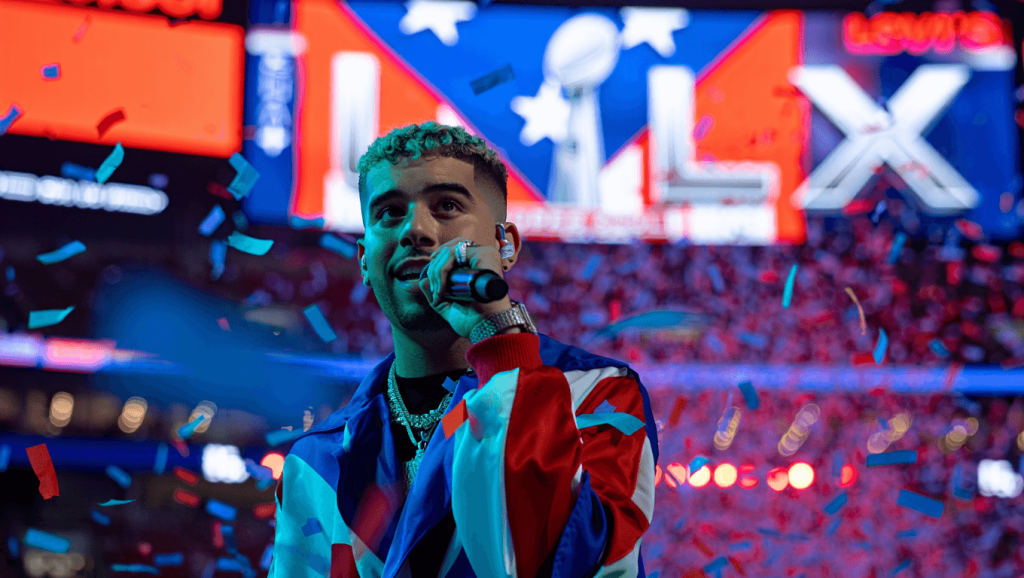
Bad Bunny is headlining the 2026 Super Bowl LX halftime show on Feb. 8. The announcement sparked major controversy from some corners. NFL Commissioner Roger Goodell doubled down on the decision this week. The Grammy-winning Puerto Rican artist plans to perform primarily in Spanish.
Powerball winner scoops $1.817 billion on Christmas Eve, what happens next will change their life forever
Zendaya shuts down pregnancy rumors after viral London outing with Tom Holland goes too far—here’s what she actually said
🔥 Quick Facts:
- Bad Bunny announced as Super Bowl LX halftime performer on Sept. 28, 2025
- Performance takes place at Levi’s Stadium in Santa Clara, California on Feb. 8, 2026
- He’s one of the world’s most popular entertainers with massive global fanbase
- Goodell defended the choice on Oct. 22, 2025 saying NFL doesn’t bow to criticism
- The artist will perform in Spanish at America’s biggest sporting stage
How the NFL Stood Firm on Bad Bunny
Commissioner Roger Goodell made a powerful statement this week. He said the NFL will not drop Bad Bunny as the 2026 Super Bowl halftime performer. This came exactly 5 days after intense backlash erupted online. Goodell addressed critics at his Fall League Meeting news conference during Wednesday morning.
Arkansas lottery wins $1.817 billion Powerball jackpot on Christmas Eve, here’s what happens to the money
Powerball winner scoops $1.817 billion jackpot on Christmas Eve, but nobody knows who they are yet
The decision sparked unexpected controversy online. Some voters launched a Change.org petition requesting George Strait replace the artist instead. Political figures from certain corners criticized the pick extensively. Trump told Newsmax he’d “never heard of” the reggaeton superstar.
“It’s carefully thought through. I’m not sure we’ve ever selected an artist where we didn’t have some blowback or criticism. It’s pretty hard to do when you have literally hundreds of millions of people watching.”
But Goodell defended the selection based on pure star power. Bad Bunny is 31 years old and remains one of music’s biggest draws globally. His streaming numbers dwarf most competitors. The Grammy winner has dominated charts across multiple continents consistently.
Why This Cultural Moment Matters for American Sports
The backlash reveals deeper tensions in American culture today. Bad Bunny has been vocal about political issues affecting Latino communities. He skipped mainland U.S. tour dates recently citing concerns about ICE raids. His outspoken opposition to certain policies resonated with supporters.
Yet the NFL chose him precisely because he’s globally dominant. His reach stretches across ages, languages, and borders. Super Bowl viewership topped 115 million people last year alone. The halftime show carries massive cultural significance for the entertainment industry worldwide.
This decision signals something important about American sports’ evolving audience. Younger viewers adore Bad Bunny’s music and cultural impact. Latino consumers represent massive spending power in entertainment markets. The NFL recognizes these demographic realities matter just as much as traditional viewership.
The Performance Details and Upcoming Timeline
Here’s what fans will experience at the Super Bowl LX halftime show:
| Event Details | Information |
|---|---|
| Artist | Bad Bunny (Benito Antonio Martínez Ocasio) |
| Performance Date | Feb. 8, 2026 (Sunday) |
| Venue | Levi’s Stadium, Santa Clara, CA |
| Language | Spanish (primarily) |
| Expected Viewers | Estimated 115M+ globally |
| Broadcast Partner | Apple Music, CBS, Paramount+ |
Goodell expressed full confidence the show will unite audiences. He emphasized Bad Bunny understands the platform’s magnitude completely. The artist’s Puerto Rican heritage adds historic significance to this announcement. No Latino reggaeton artist has ever headlined the halftime show before now.
The 49ers hosting in Santa Clara adds another layer. The Bay Area’s large Latino population will celebrate locally. Sports viewership patterns show Latino demographics tune in heavily during Super Bowl weekend regardless.
What’s Next: Reactions and Anticipation Building
Entertainment insiders predict multiple reactions will unfold:
- Celebrity supporters have publicly endorsed the choice including Jennifer Lopez and LeBron James
- Bad Bunny’s streaming numbers will likely spike dramatically closer to Feb. 8
- Spanish-language media coverage will expand across Latin America and Spain
- Brands may launch special promotions targeting Latino consumers during the broadcast
- Social media debates will intensify as the date approaches closer
The NFL has made its position crystal clear: cultural relevance trumps traditional criticism. This signals a major shift in how mainstream sports select entertainment. Bad Bunny represents 21st-century global superstardom. Age, language barrier, political views—none of that matters to the league anymore.
Will This Spark More Bold Entertainment Choices Going Forward?
Industry observers wonder if this decision opens doors for future Super Bowl selections. Will the NFL continue breaking traditional molds? Could emerging artists from non-English markets get considered next? The halftime show remains America’s most-watched annual musical event by massive margins.
Goodell’s staunch defense suggests the league wants evolving entertainment decisions. The commissioner explicitly stated NFL officials make content choices independently. They don’t relinquish creative decisions based on online petitions or political figures’ complaints. This philosophy marks a meaningful departure from previous caution.
For now, the focus shifts to preparation mode. Bad Bunny will craft an unforgettable performance. The Bad Bunny Super Bowl experience promises unprecedented Latino representation on this iconic platform.
Sources
- NFL.com – Official NFL news coverage of Commissioner Goodell’s statement
- Rolling Stone – Music industry analysis of the performance selection
- NBC News – Breaking news reporting on the announcement and backlash
Daniel Harris is a specialist journalist focused on the crossroads of breaking news, extraordinary history, and enduring legends. With a background in historical research and storytelling, he blends timely reporting with timeless narratives, making complex events and ancient myths resonate with today’s readers. Daniel’s work often uncovers surprising links between present-day headlines and legendary tales, offering unique perspectives that captivate diverse audiences. Beyond reporting, he is passionate about preserving oral traditions and exploring how extraordinary stories continue to shape culture and identity.