
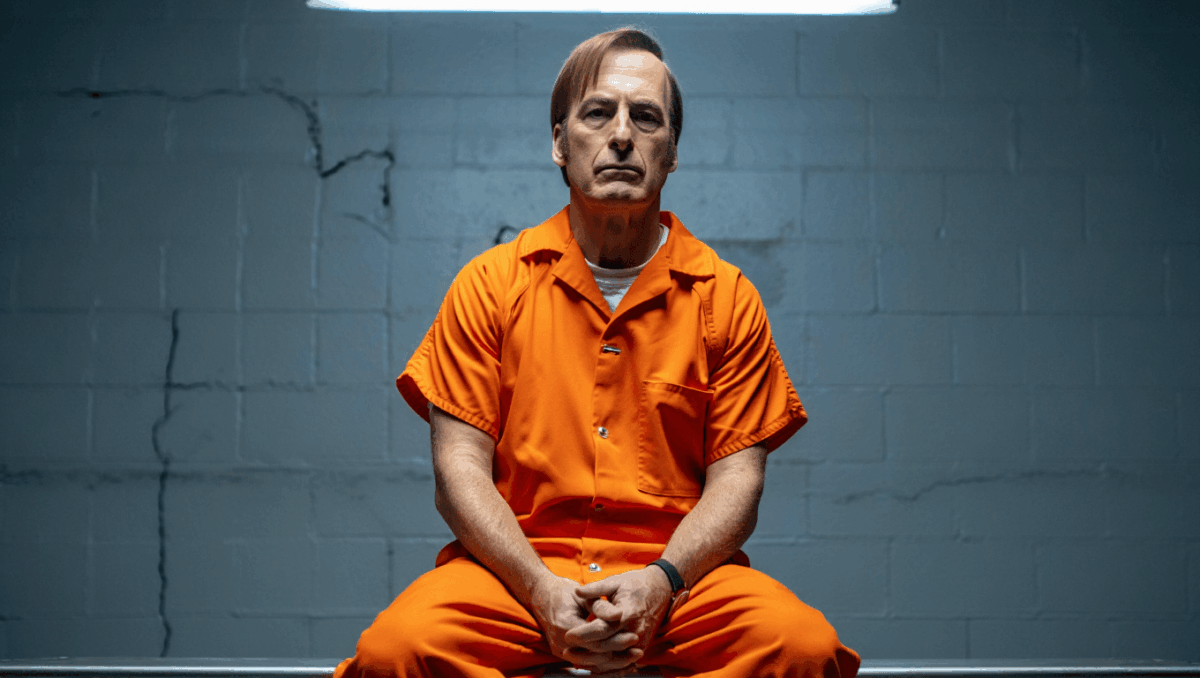
Better Call Saul delivered a stunning finale as Jimmy McGill rejected a 7-year deal and chose redemption instead. The August 15, 2022 episode ended with the shocking 86-year prison sentence. His confession changed everything about how we understand Saul Goodman.
🔥 Quick Facts
- Episode Title: “Saul Gone” aired August 15, 2022, as the series finale of Season 6
- Final Sentence: Jimmy McGill received 86 years in federal prison for breaking bad crimes
- Redemption Move: Jimmy confessed to enabling Walt and role in Chuck’s suicide instead of taking plea deal
- Prison Location: ADX Montrose, known as “The Alcatraz of the Rockies” supermax facility
The Shocking Courtroom Decision That Changed Everything
America’s Next Top Model documentary drops today on Netflix with shocking revelations
Dana Eden dies at 52, Tehran producer found dead in Athens hotel
Jimmy McGill faced a pivotal moment in the series finale “Saul Gone.” He could accept 7 years in prison with a deal, but instead he chose truth over self-preservation. Bob Odenkirk’s character sat in that courtroom and confessed to 27 RICO violations, federal conspiracy charges, and money laundering.
The prosecutors had offered him seven years, a sentence Jimmy could have easily negotiated further. Instead, he confessed to enabling Walter White in his massive drug operation. He admitted his role in his brother Chuck’s suicide. He embraced accountability for every scheme, every lie, every shortcut he took as Saul Goodman.
Why Jimmy McGill Rejected Freedom for Truth
Tommy Lee Jones’ daughter was pregnant before her tragic death, court docs reveal
J Cole announces The Fall-Off world tour, first global dates in decades
This wasn’t just about accepting consequences it was about reclaiming his identity. Throughout the series, Jimmy struggled with three distinct identities: the genuine Jimmy McGill, the charming con man Slippin’ Jimmy, and the amoral lawyer Saul Goodman. In that courtroom, he finally chose to be Jimmy McGill again.
Kim Wexler’s influence shaped his decision profoundly. She had already confessed to her own role in schemes, setting an example of integrity. Jimmy watched her take responsibility, and it sparked something in him. He realized that guilt couldn’t be hidden or manipulated away. Only acknowledgment could heal it.
The 86-Year Sentence Explained: More Than Just Numbers
| Sentencing Detail | Information |
| Total Prison Sentence | 86 years federal prison |
| Facility Assigned | ADX Montrose Supermax Prison |
| Good Behavior Reduction | Estimated 85% of sentence served |
| Symbolic Meaning | Referenced “86-ing,” meaning he’s finished as a free man |
The 86-year sentence wasn’t random. It symbolized that Jimmy McGill was finished, that Saul Goodman was gone. The number 86 in restaurant slang means something is done, removed from the menu. In that prison cell, Saul Goodman would never operate again. The transformation was complete and permanent.
Prosecutors charged him with crimes spanning Breaking Bad and his own schemes. The sheer weight of charges meant his sentence stretched decades. But Jimmy had made peace with it. According to sources covering the finale, he would serve approximately 85 percent of his sentence with good behavior. That still meant he would likely spend his remaining years behind bars.
The Bittersweet Prison Visit That Restored Hope
The final scene captured redemption perfectly. Kim Wexler visited Jimmy behind prison glass at ADX Montrose. They hadn’t seen each other in six years before the finale events. Now they shared a cigarette and a moment of genuine connection. Jimmy was no longer pretending, scheming, or running from himself.
Kim proved she still believed in the real Jimmy underneath. She attended his sentencing in person. She visited him in prison. She showed that redemption mattered to someone. Jimmy McGill had proven his brother wrong who said he could never change. He had seized his chance at redemption, even though that redemption meant spending decades in federal prison.
What Does This Ending Really Mean for Better Call Saul Fans?
The finale raised profound questions about justice, identity, and redemption. Did Jimmy McGill truly change, or had he simply found a new con? Was 86 years too harsh, or was it exactly what he deserved? Would he actually spend decades behind bars, or could release come unexpectedly?
Co-creator Peter Gould had crafted an ending where consequences mattered but redemption wasn’t impossible. Jimmy showed that acknowledging guilt cost everything but gained something money couldn’t buy: authentic human connection with Kim. In sacrificing his liberty, he reclaimed his true identity and proved that Jimmy McGill was stronger than Saul Goodman ever could be.
“When he could have escaped responsibility and taken the easy way out, he saw his chance at redemption and seized it.”
— According to multiple sources covering the series finale emotional arc
Sources
- Wikipedia – Comprehensive plot summary and theme analysis of “Saul Gone” episode
- Entertainment Weekly – Bob Odenkirk interview on Jimmy’s life sentence and redemption arc
- NPR – Series finale analysis as meditation on consequences and regret

Jessica Morrison is a seasoned entertainment writer with over a decade of experience covering television, film, and pop culture. After earning a degree in journalism from New York University, she worked as a freelance writer for various entertainment magazines before joining red94.net. Her expertise lies in analyzing television series, from groundbreaking dramas to light-hearted comedies, and she often provides in-depth reviews and industry insights. Outside of writing, Jessica is an avid film buff and enjoys discovering new indie movies at local festivals.