
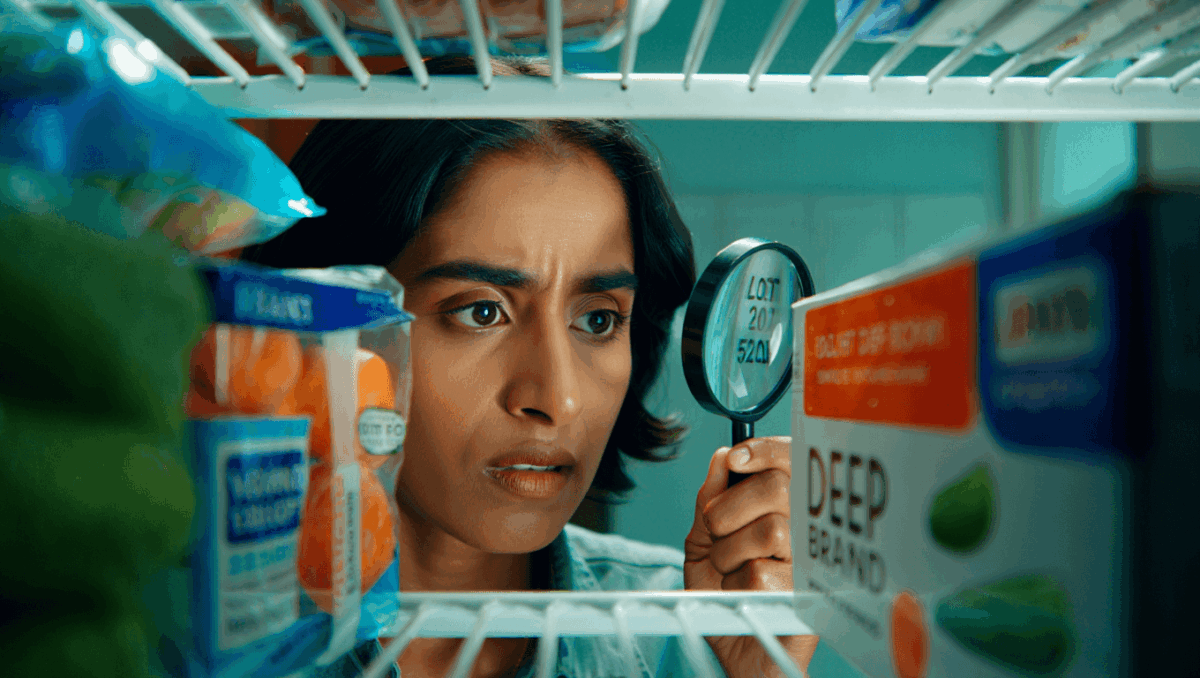
Frozen food recall notifications have become increasingly common across America. The FDA just announced a Class I recall—the highest risk level possible—affecting over 3.5 million bags of frozen vegetables sold nationwide. This urgent alert requires immediate action from consumers who may have these products in their freezers right now.
🔥 Quick Facts
- 3.5 million bags of Deep Brand frozen foods affected by Class I recall as of December 11, 2025
- Salmonella contamination confirmed in testing; 12 illnesses across 11 states with 4 hospitalizations
- Affected products include frozen vegetables like bhindi, carrots, green peas, mixed vegetables, and specialty Indian frozen foods
- Contamination period: December 18, 2024 through August 18, 2025 from shared production equipment
What Is a Class I Recall and Why It Matters
Intuit emerges as best software stock for 2026 while stock crashes to bargain levels analysts didn’t expect
2026 tax brackets shock Americans with hidden paycheck truth nobody expected
The FDA classifies recalls into three categories based on health risk level. A Class I recall represents “a situation in which there is a reasonable probability that the use of or exposure to a violative product will cause serious adverse health consequences or death.” This is the most severe classification available.
The frozen food recall by Chetak Foods was initially announced in July 2025 and expanded in September 2025, but the FDA officially designated it as Class I on December 11, 2025. This formal designation signals the agency’s confidence that the contamination poses genuine health risks requiring immediate consumer action.
Marcus Lemonis takes CEO role at Bed Bath & Beyond with $25M cost-cutting plan and watch what industry experts are saying about his next move
SPX surges 34 points at open with shocking tech recovery, here’s what caused the unexpected Venezuela rally
Class I recalls typically involve foodborne pathogens like Salmonella, Listeria, or E. coli that can cause serious illness in vulnerable populations including young children, elderly adults, and immunocompromised individuals.
Deep Brand Frozen Vegetables—Which Products Are Affected
The frozen food recall encompasses an expansive list of Deep Brand products sold under multiple product lines. Affected items include specialty Indian frozen vegetables spanning several major categories that are commonly stocked in mainstream grocery stores nationwide.
Recalled products include Premium Select Surti Undhiu Mix, Baby Bhindi, Chikoo Slices, Guvar, Kantola, Karela Ring Cut, Methi Blocks, Sambhar Mix, Punjabi Tinda, and Ratalu Sliced Violet Indian Yams. Standard product lines affected include Tindora, Carrots Sliced, Arvi, Chauri, Bhindi Cut Okra (in multiple package sizes), and Indian Kitchen Quick Cubes Ready for Cooking options in both Ginger Garlic and Green Chili varieties.
The recall also covers broader frozen vegetable staples like Green Peas (in 3.85 LB and 2 LB sizes), Mixed Vegetables 4 Way, Sweet Corn (2 LB packages), and Peas and Carrots (2 LB bags). Additional items include Premium Select Hot Green Chillies, Fansi Cut French Beans, Red Pearl Onions, Green Channa, Snake Gourd, Lotus Root Ring Cut, Garlic Cloves, Singoda Water Chestnuts, and specialty items like Red Guava Slices, Amla Slices, and Turmeric Yellow Haldi.
How to Identify Recalled Bags and What to Check in Your Freezer
| Identification Method | What To Look For |
| Brand and Product Name | Deep Brand frozen vegetables with “KEEP FROZEN” or “Premium Select” labels |
| Lot Numbers | Specific lot codes listed on FDA enforcement report; check packaging exterior for lot identification |
| Production Date Range | Products manufactured December 18, 2024 through August 18, 2025 are potentially affected |
| Package Sizes | Sizes range from 10 oz to 2 LB bags depending on product variety |
| Visual Reference | FDA provides product images downloadable from enforcement report for identification assistance |
Consumers should thoroughly inspect freezer contents, checking both the front label and bottom of packaging for lot codes. The FDA published a detailed enforcement report with complete lot numbers and product images to assist with identification. Physical freezer inspection takes only minutes but represents critical food safety due diligence.
Salmonella Symptoms and Health Risks From Contamination
A Salmonella infection causes diarrhea, stomach pain or cramps, fever, nausea or vomiting, and headache according to the Cleveland Clinic. Most people clear the infection within a few days without medical intervention. However, certain populations face significantly elevated risk of severe complications.
Children under 5 years old, adults over 65, and immunocompromised individuals can develop serious infections requiring hospitalization. The ongoing frozen food recall investigation confirmed 12 illnesses across 11 states with 4 requiring hospitalization. Affected states include Connecticut, Florida, Illinois, Massachusetts, Minnesota, New Jersey, Pennsylvania, Tennessee, Texas, Virginia, and Washington.
What Should You Do With Frozen Food in Your Freezer Right Now?
The company and FDA urge immediate action: stop eating recalled products and discarding any packages matching the identified lot codes. Chetak Foods notes that “frozen vegetable and fruit products with lot numbers other than those listed are not included in this recall and are safe to consume.” For all other frozen vegetables without matching lot codes, thorough cooking remains safe.
Consumers can contact Chetak Foods directly through their website at deepfoods.com for additional details or call customer service. The FDA recommends returning recalled products to the store where purchased for refunds. Never throw recalled items in trash where they might accidentally be consumed; proper disposal involves returning to retailers or contacting the manufacturer for guidance on replacement or compensation procedures.

Patrick Graham is a business and finance journalist translating Wall Street’s complexities into stories that matter to everyday readers. With extensive experience in financial journalism and economic analysis, this expert journalist provides sharp insights on market trends, corporate developments, and the economic forces affecting daily life. His reporting helps readers make sense of the business world’s biggest moves.