
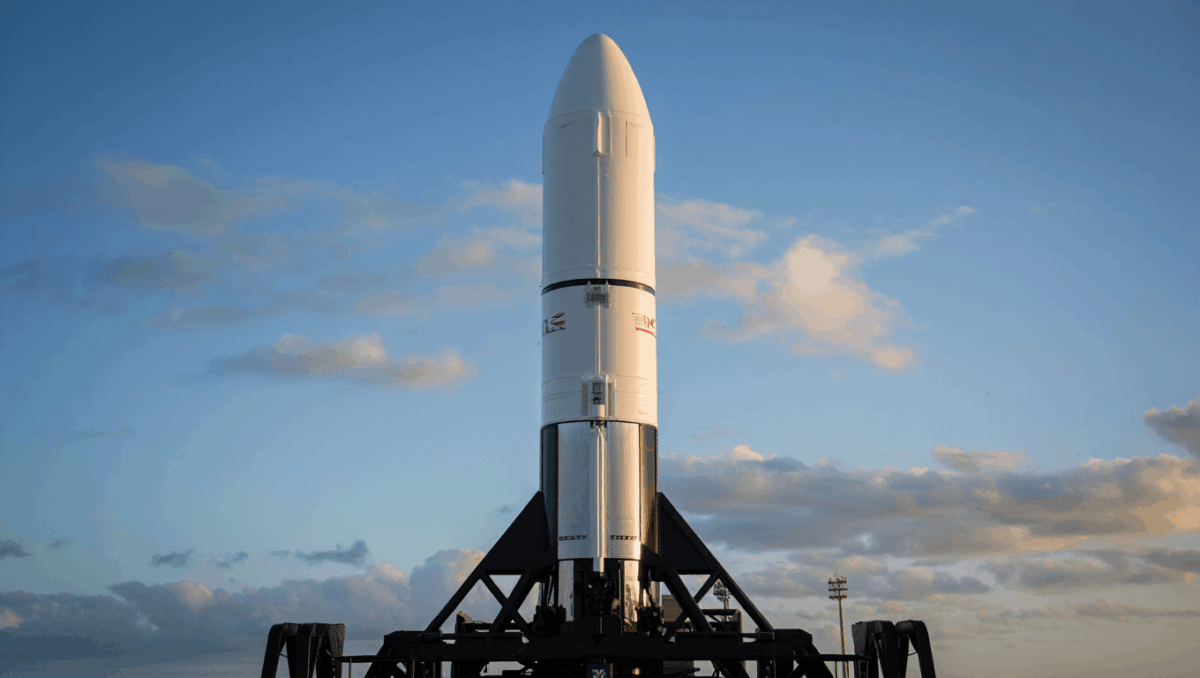
SpaceX Falcon 9 is targeting a launch this afternoon from Cape Canaveral with 29 Starlink satellites aboard. The liftoff window opens at 3:26 p.m. EST from Space Launch Complex 40, with weather conditions looking favorable. This mission continues SpaceX’s rapid cadence of deploying internet-connectivity satellites to low-Earth orbit.
🔥 Quick Facts
- Launch time: 3:26 p.m. EST (2026 UTC) from SLC-40 at Cape Canaveral Space Force Station
- Payload: 29 Starlink satellites for the mega-constellation internet system
- Window: Four-hour launch opportunity extends to 5:59 p.m. EST for flexibility
- Weather forecast: Clear conditions reported by the 45th Weather Squadron for successful liftoff
Understanding Today’s Starlink Mission
Intuit emerges as best software stock for 2026 while stock crashes to bargain levels analysts didn’t expect
2026 tax brackets shock Americans with hidden paycheck truth nobody expected
SpaceX continues its mission to build out the Starlink constellation, which aims to provide global broadband coverage. The 29 satellites launching today will join thousands of others in low-Earth orbit, expanding internet coverage across remote regions. Each mission brings SpaceX closer to its goal of complete global connectivity through the distributed network.
The Falcon 9 Block 5 remains the workhorse of SpaceX’s launch operations, and today’s flight demonstrates the reliability needed for frequent Starlink deployments. SpaceX has substantially increased launch cadence in 2025, with this mission representing another step in their aggressive deployment schedule.
Launch Details and Timeline
Marcus Lemonis takes CEO role at Bed Bath & Beyond with $25M cost-cutting plan and watch what industry experts are saying about his next move
SPX surges 34 points at open with shocking tech recovery, here’s what caused the unexpected Venezuela rally
The four-hour launch window provides SpaceX engineers with flexibility to address any last-minute technical issues. The primary target time of 3:26 p.m. EST aligns with optimal orbital insertion parameters for the satellite constellation. Weather monitoring remains ongoing, with the 45th Weather Squadron ready to provide go-no-go recommendations closer to launch time.
Following successful liftoff, the rocket’s first stage will execute a landing on SpaceX’s droneship in the Atlantic Ocean, enabling reuse for future missions. The upper stage will deliver the satellites to their designated orbital altitude over a period of approximately eight minutes after separation.
| Mission Parameter | Information |
| Vehicle | Falcon 9 Block 5 |
| Launch Site | Space Launch Complex 40, Cape Canaveral SFS |
| Target Time | December 11, 3:26 p.m. EST |
| Payload | 29 Starlink satellites |
| Window Duration | Four hours (3:26 p.m. to 5:59 p.m. EST) |
| Recovery | First stage landing on droneship |
The Significance of Starlink Expansion
The Starlink constellation has grown to include over 10,000 active satellites as of December 2025, making it the largest operational space-based network. Each deployment adds critical capacity for internet service provision globally. The 29 satellites on today’s mission represent incremental but essential growth toward comprehensive coverage targets.
SpaceX’s rapid launch cadence has enabled the company to deploy satellites faster than ever before, demonstrating operational maturity and manufacturing capability. The constellation supports both consumer broadband and government/military applications, cementing its strategic importance in modern telecommunications infrastructure.
“The next SpaceX Falcon 9 rocket will launch a Starlink batch from pad 40 on December 11 at 3:26 p.m. EST, with a four-hour launch window extending to 5:59 p.m. EST.”
— SpaceX Launch Operations, Official Launch Schedule
What’s Next After This Mission?
SpaceX has multiple Starlink launches scheduled in the coming weeks, with additional missions planned for December 14, 15, and beyond. The company maintains an aggressive deployment calendar to sustain constellation growth and meet service demands. Each successful mission validates manufacturing processes and launch operations, supporting even greater frequency into 2026.
The Falcon 9 booster set to launch today may have already completed multiple missions, contributing to SpaceX’s reusability goals. This afternoon’s flight numbers among hundreds of Falcon 9 launches conducted since 2015, highlighting the rocket’s proven track record and operational reliability for national security and commercial space ventures.
Sources
- Spaceflight Now – Live coverage and launch schedule updates
- Florida Today – Real-time launch information and weather conditions
- Visit Space Coast – Daily launch schedules and countdown information

Patrick Graham is a business and finance journalist translating Wall Street’s complexities into stories that matter to everyday readers. With extensive experience in financial journalism and economic analysis, this expert journalist provides sharp insights on market trends, corporate developments, and the economic forces affecting daily life. His reporting helps readers make sense of the business world’s biggest moves.