
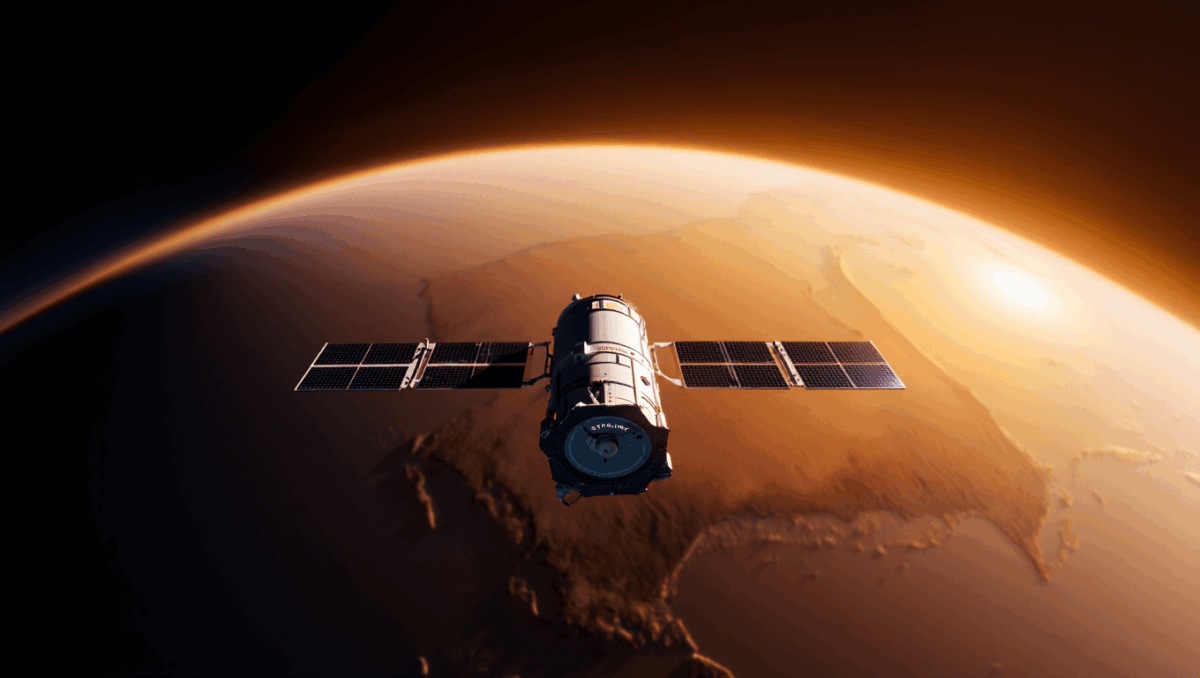
Starlink and Airtel Africa just announced a major partnership that brings satellite connectivity to millions across an entire continent. This game-changing direct-to-cell service launches in 2026, transforming how 14 African markets connect.
🔥 Quick Facts
- Starlink and Airtel Africa partner on direct-to-cell satellite service across all 14 African markets starting 2026
- Service includes text messaging and data for select applications using standard LTE smartphones, no device changes needed
- Next-generation satellites will deliver 20x faster data speeds with improved broadband direct-to-cell capability
- Kyivstar in Ukraine became Europe’s first direct-to-cell operator in November 2025, proving the technology works
What Is Starlink Direct-to-Cell Technology?
Intuit emerges as best software stock for 2026 while stock crashes to bargain levels analysts didn’t expect
2026 tax brackets shock Americans with hidden paycheck truth nobody expected
Direct-to-cell represents a revolutionary shift in mobile connectivity. Unlike traditional satellite phones that require specialized hardware, this technology lets ordinary LTE smartphones connect straight to Starlink satellites orbiting overhead. No new equipment. No special modifications. Your existing phone becomes capable of reaching the sky.
The system works by using advanced satellites equipped with cellular antennas that mimic earth-based mobile towers. When terrestrial networks fail, disconnect, or simply don’t exist, these satellites fill the gap. For the first time, people in remote African regions can access the same basic connectivity as city dwellers.
How Airtel Africa’s 14 Markets Benefit
| Service Feature | Launch Timeline |
| Text Messaging & Data (Select Apps) | |
| High-Speed Broadband (Next Phase) | TBA – With Next-Gen Satellites |
| Coverage Areas | Regions Without Terrestrial Networks |
| Device Compatibility | Existing LTE Smartphones (No Changes) |
Airtel Africa operates across 14 African countries, serving 174 million customers. This partnership extends its infrastructure without building traditional cell towers in remote regions. For customers in areas without ground-based coverage, the direct-to-cell service becomes a lifeline for emergency communications, business operations, and staying connected to loved ones.
The rollout begins with basic services—text messaging and selective application data. But Airtel and SpaceX have already planned future phases. Next-generation satellites will deliver broadband-quality speeds with 20 times faster data capabilities, transforming remote connectivity from emergency-only to genuinely usable for daily needs.
Airtel’s Strategic Advantage in Satellite Competition
Airtel Africa isn’t the first to embrace satellite technology, but timing matters. Ukraine’s Kyivstar launched Starlink‘s direct-to-cell service in November 2025, proving the concept works under real-world pressure—keeping millions connected during wartime blackouts. Airtel‘s 2026 launch means African users get battle-tested technology, not experimental systems.
The partnership also includes Airtel‘s expertise managing 14 diverse African markets. Each country has different regulatory requirements, infrastructure challenges, and customer needs. Rather than SpaceX negotiating with each nation separately, Airtel‘s established relationships accelerate deployment. This competitive advantage matters in a continent where connectivity determines economic opportunity.
Why Africa Urgently Needs This Solution
Africa faces a connectivity crisis. Despite rapid urbanization, 40 percent of the continent still lacks reliable mobile coverage. Building traditional infrastructure in sparsely populated regions costs more than revenue justifies. Mountains, deserts, and difficult terrain make terrestrial tower deployment expensive and slow. Starlink‘s satellite approach bypasses these barriers entirely.
This matters beyond casual entertainment. Health workers in remote clinics need connectivity to access patient records and consult specialists. Farmers rely on weather data and market information to make harvesting decisions. Students in isolated villages finally reach educational resources. Small business owners can participate in the digital economy. Direct-to-cell service unlocks human potential across an entire continent.
What Changes Now That Starlink Partners With Airtel Africa on Direct-to-Cell?
Starlink‘s 2026 African launch transforms the satellite connectivity landscape. Previously, satellite internet meant bulky equipment, expensive installations, and high latency unsuitable for real-time communication. Direct-to-cell eliminates those barriers. Anyone with a smartphone—already ubiquitous in Africa—gains potential coverage instantly.
Competition intensifies for traditional telecom providers. Airtel Africa smartly partnered rather than competed, positioning itself as the access point. Other African operators now face a choice: negotiate similar deals or watch customers defect to Airtel‘s expanded service. Regional governments gain leverage in negotiating better rural coverage terms. And tens of millions of people suddenly have options where none existed before.

Patrick Graham is a business and finance journalist translating Wall Street’s complexities into stories that matter to everyday readers. With extensive experience in financial journalism and economic analysis, this expert journalist provides sharp insights on market trends, corporate developments, and the economic forces affecting daily life. His reporting helps readers make sense of the business world’s biggest moves.