
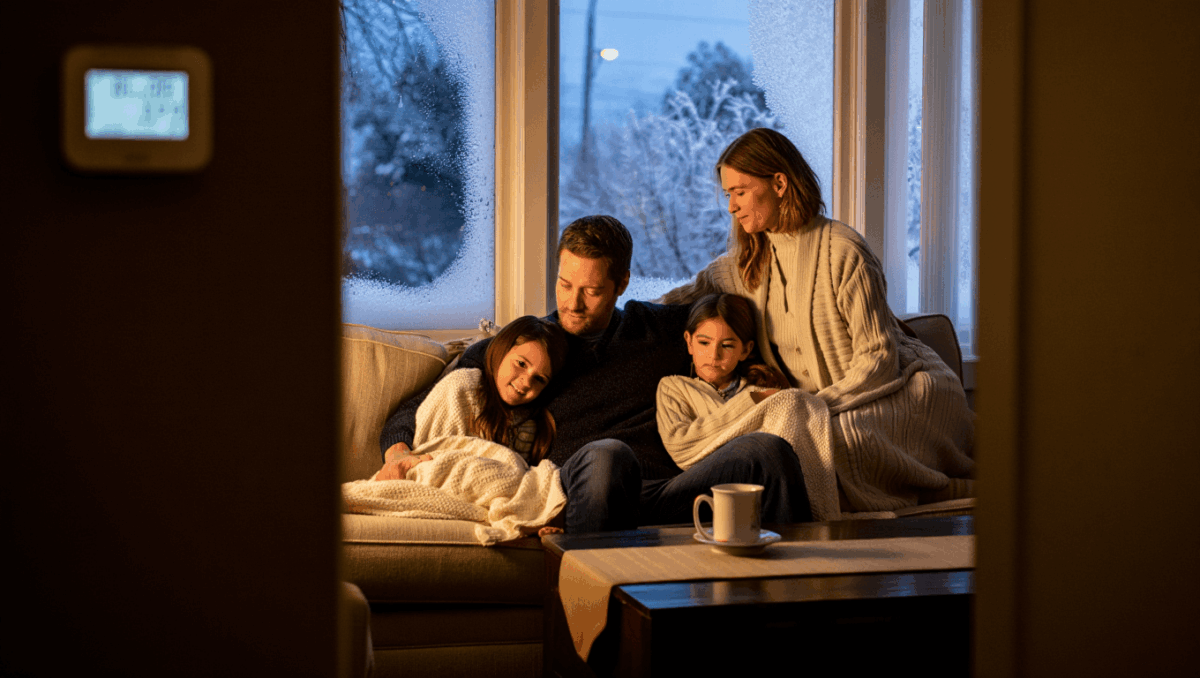
PG&E energy bills spike 18% in December as Bay Area cold temperatures drive power demand higher than last year. Residents opening their utility bills face shocking increases as frigid winter weather and rising natural gas prices nationally combine to squeeze household budgets. Here’s what you need to know about staying warm without breaking the bank.
🔥 Quick Facts
- December 2025 PG&E bills estimated to jump significantly higher than December 2024 due to cold temperatures and increased heating demand
- Radiation fog contributing to below-average December temperatures across the Bay Area region according to weather experts
- Natural gas prices rising nationally, with residential customers experiencing increased bills during cold snaps
- PG&E Family Electric Rate Assistance Program provides monthly discounts for qualifying customers on both gas and electricity
What’s Driving the December Energy Bill Spike
Intuit emerges as best software stock for 2026 while stock crashes to bargain levels analysts didn’t expect
2026 tax brackets shock Americans with hidden paycheck truth nobody expected
The Bay Area is experiencing unusually frigid conditions this December compared to last year. A weather phenomenon called radiation fog is trapping cold air and preventing temperatures from rising during the day. When customers see their thermostats reading colder than expected, they naturally turn up their heating systems earlier and run them longer than they did in prior winters.
According to Megan McFarland from PG&E, “Whenever we have cold snaps, customers use their heat more, their houses are cold.” Bay Area residents report that they started activating their heating systems sooner this December compared to last year. The combination of below-average temperatures and extended heating use has created the perfect storm for rising utility costs.
Marcus Lemonis takes CEO role at Bed Bath & Beyond with $25M cost-cutting plan and watch what industry experts are saying about his next move
SPX surges 34 points at open with shocking tech recovery, here’s what caused the unexpected Venezuela rally
National natural gas prices have climbed significantly as well, affecting wholesale energy costs that PG&E passes through to customers. This widespread price increase compounds the local impact of cold weather, making December particularly expensive for heating.
Real Customer Bills Show the Dramatic Impact
| Billing Factor | Details |
| Typical December Bill Increase | Estimated 18% higher than last December |
| Real Customer Example | One Novato resident reported expecting bill near $400 |
| Primary Cost Driver | Natural gas for heating as temperatures drop |
| Efficiency Savings Opportunity | Lower thermostat 1 degree = save 1% on bill |
Many Bay Area residents have already experienced bill shock when opening their December statements. One customer reported expecting a bill of approximately $400 this month, significantly higher than typical winter months. Others noted that electricity rates increased 26% per kilowatt-hour in the Bay Area, even beyond the standard rate structure.
Homeowners with solar panels have not been immune to the increases. Persistent radiation fog has reduced solar generation just when cold weather increases heating demand. This double impact means solar customers face higher bills despite their renewable energy investments.
“It’s frigid, very cold, I don’t remember it being this cold before. Brace yourself when you open that PG&E bill.”
— Bay Area Residents, Reporting December Heating Costs
Energy Efficiency Tips to Lower Your Winter Bills
PG&E recommends that customers prioritize thermostat management as the single most effective way to reduce winter bills. Lowering your thermostat by just one degree saves approximately 1% on your total energy bill. Setting thermostats to 68-70 degrees during the day and lower at night maximizes savings while maintaining reasonable comfort.
Beyond thermostat adjustment, weatherstripping around windows and doors prevents cold air from entering your home. Replacing furnace filters regularly ensures heating systems operate efficiently. Both tasks take minimal time but deliver significant energy savings. The Bay Area Regional Energy Network also recommends checking heater filters monthly during cold months to maintain peak efficiency.
One critical warning: PG&E advises against relying heavily on gas fireplaces for heat, as these consume energy rapidly and create additional utility charges. Electric heaters similarly increase bills substantially compared to efficient thermostat management.
Assistance Programs Available for Qualifying Households
PG&E’s Family Electric Rate Assistance Program (FERA) provides monthly discounts on both electric and gas bills for qualified low and moderate-income households. The program recently expanded eligibility to include one and two-person households, making approximately 150,000 additional customers eligible for 18% electric discounts.
Beyond PG&E, the Bay Area Regional Energy Network offers the EASE program to fund weatherization improvements for qualifying homeowners. The agency sends energy experts to homes at no cost to assess eligibility for upgrades like insulation, air sealing, and heating system improvements. These long-term fixes help reduce bills for years to come.
Low and moderate-income residents should check both programs to see if they qualify. The financial relief can offset a significant portion of December’s unexpected billing increases.
Are High Winter Heating Bills the New Normal for California?
California’s unusual weather patterns and rising natural gas prices suggest that high winter bills may continue. The U.S. Energy Information Administration forecasts that national electric prices will increase through 2026, outpacing inflation. However, PG&E residential electric rates decreased in September 2025 and are expected to drop again in 2026, providing some relief on the electric portion of bills.
Natural gas prices remain more volatile and dependent on national market conditions. Bay Area residents should prepare for continued expense during winter months, but the long-term outlook includes rate decreases for electricity. Installing efficient heating systems, improving insulation, and enrolling in assistance programs offer the best strategy for managing costs in coming winters.

Patrick Graham is a business and finance journalist translating Wall Street’s complexities into stories that matter to everyday readers. With extensive experience in financial journalism and economic analysis, this expert journalist provides sharp insights on market trends, corporate developments, and the economic forces affecting daily life. His reporting helps readers make sense of the business world’s biggest moves.