
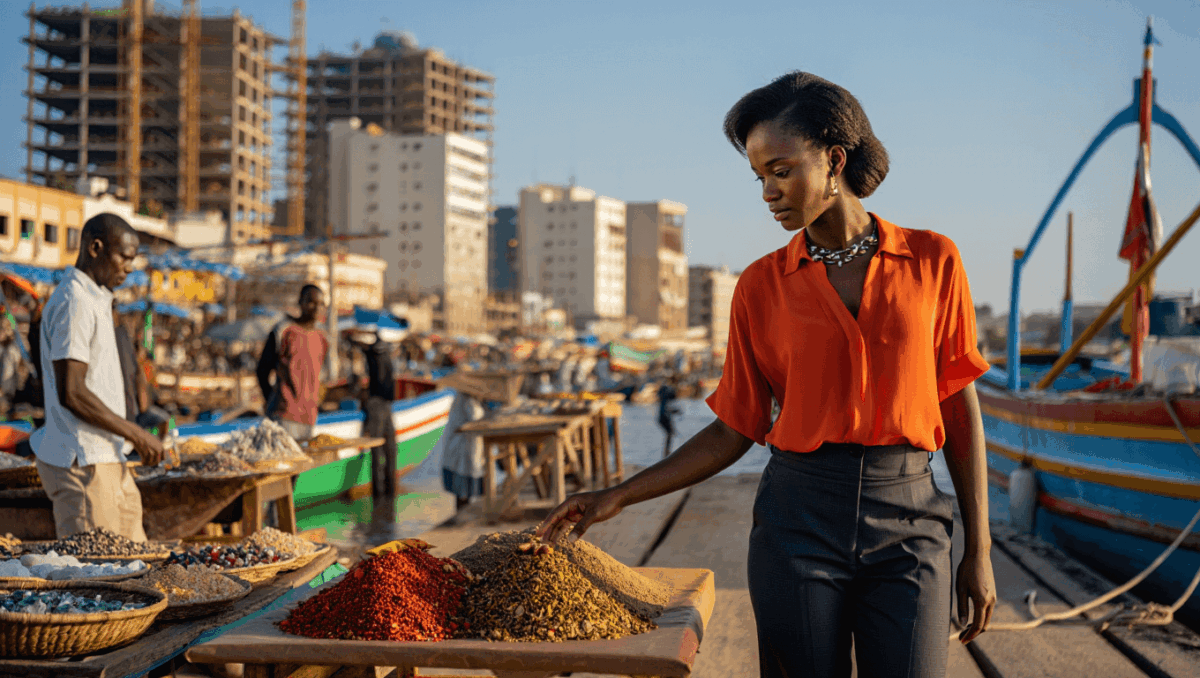
Madagascar achieves crucial economic stabilization as growth accelerates and fuel prices stabilize, marking a significant turning point for the island nation’s development prospects. The combination of structural reforms, mining sector strength, and controlled fuel pricing management signals progress after years of economic volatility. Key commodity prices including rice and fuel have stabilized, creating breathing room for the broader economy.
🔥 Quick Facts
- Madagascar’s GDP growth reached 4.2 percent in 2024 and is projected at 4-5 percent in 2025
- Economic stabilization is driven by improved fuel pricing management and mining sector recovery
- Inflation shows signs of easing in December 2025, down from peaks of 9.9% in 2023
- Structural reforms supported by IMF programs aim to create sustainable long-term growth
Madagascar’s Path to Economic Stabilization
Intuit emerges as best software stock for 2026 while stock crashes to bargain levels analysts didn’t expect
2026 tax brackets shock Americans with hidden paycheck truth nobody expected
Madagascar’s economy is shifting toward stability after weathering significant challenges. The island nation recorded 4.2 percent growth in 2024, establishing a foundation for acceleration throughout 2025. Economic activity has remained steady despite persistent external pressures affecting African nations.
The government has implemented critical structural reforms with support from multilateral institutions. These initiatives target the mining sector, which represents the economy’s strongest growth engine. Private investment has increased substantially, signaling business confidence in Madagascar’s economic trajectory and reform commitment.
Fuel Price Stabilization Transforms Cost Landscape
Marcus Lemonis takes CEO role at Bed Bath & Beyond with $25M cost-cutting plan and watch what industry experts are saying about his next move
SPX surges 34 points at open with shocking tech recovery, here’s what caused the unexpected Venezuela rally
One of the most impactful changes reshaping Madagascar’s economy is the stabilization of fuel prices. For years, volatile petroleum costs created cascading inflation that rippled through transportation, agriculture, and manufacturing sectors.
The government implemented an automatic fuel price adjustment mechanism designed to reduce sudden price shocks. This policy framework offers predictability for businesses and allows households to plan budgets more effectively. Key commodity prices including rice and fuel have achieved relative stability, contributing to easing inflation pressures as of December 2025.
| Economic Indicator | Latest Data |
| GDP Growth 2024 | 4.2 percent |
| GDP Growth Projection 2025 | 4.0-5.0 percent |
| Inflation (2023 Peak) | 9.9 percent |
| Current Account Deficit 2024 | 5.4 percent of GDP |
Mining Growth and Structural Reforms Drive Acceleration
Madagascar’s mining sector continues delivering robust performance. This industry provides critical foreign exchange earnings and employment for thousands of workers. Growth is expected to be supported by strong mining exports including vanilla, cloves, and mineral products throughout 2025.
Beyond mining, construction and tourism-related sectors are gaining momentum. The government’s structural reform agenda targets productivity improvements across multiple economic sectors. These initiatives align with recommendations from the International Monetary Fund (IMF) and World Bank, which have provided technical support and financing through comprehensive economic programs.
“Madagascar’s economy is stabilizing but facing persistent inflation challenges. Growth is gradually picking up and should converge with potential growth rates starting in 2025.”
— International Monetary Fund, Economic Assessment
What’s Next for Madagascar’s Economic Future?
The next phase of Madagascar’s economic development hinges on sustained implementation of reform programs. The government faces the critical task of maintaining fiscal discipline while managing the current account deficit, which widened to 5.4 percent of GDP in 2024 due to increased import needs.
Key risks remain on the horizon, including potential external demand fluctuations and global commodity price volatility. However, infrastructure investments and productivity improvements offer strong potential. If current trajectories continue, Madagascar could achieve growth rates above 5 percent by 2026, marking substantial progress toward sustainable development and improved living standards for its population.
Sources
- World Bank — Madagascar Economic Update and development reports
- International Monetary Fund — Article IV Consultations and program reviews
- African Development Bank — Economic outlook and growth projections

Patrick Graham is a business and finance journalist translating Wall Street’s complexities into stories that matter to everyday readers. With extensive experience in financial journalism and economic analysis, this expert journalist provides sharp insights on market trends, corporate developments, and the economic forces affecting daily life. His reporting helps readers make sense of the business world’s biggest moves.