
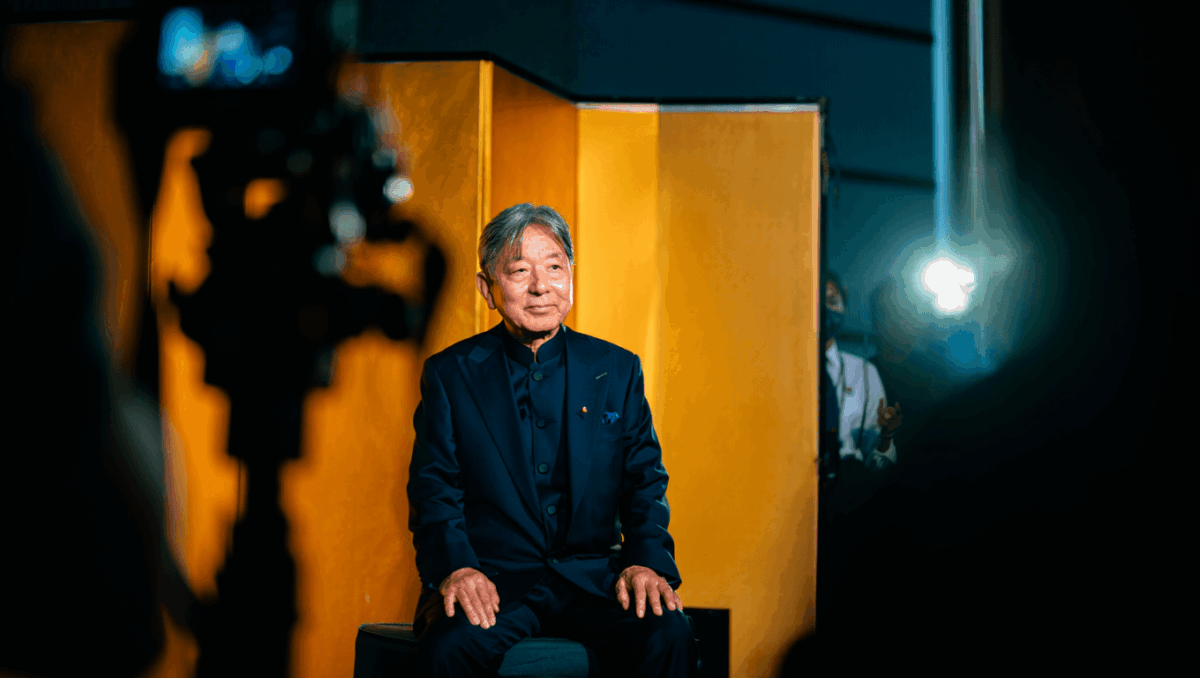
Ahn Sung-ki, the legendary South Korean actor known as the “Nation’s Actor,” has passed away at age 74. The beloved film icon died January 5, 2026, at Soonchunhyang University Hospital in Seoul, surrounded by family. His death marks the end of an extraordinary six-decade career that fundamentally shaped modern Korean cinema.
🔥 Quick Facts
- Ahn made his film debut at age 5 in 1957’s “The Twilight Train” and never stopped acting.
- He appeared in more than 140 films over his prolific 60+ year career in entertainment.
- Ahn won the prestigious Grand Bell Award for Best Actor five times, an unprecedented achievement no other South Korean actor has matched.
- He was hospitalized after choking on food December 30, 2025, with underlying blood cancer complications.
From Child Star to Iconic Legend
America’s Next Top Model documentary drops today on Netflix with shocking revelations
Dana Eden dies at 52, Tehran producer found dead in Athens hotel
Born in Daegu in 1952, Ahn Sung-ki began his unforgettable career as a five-year-old in director Kim Ki-young‘s “The Twilight Train.” He went on to appear in approximately 70 films as a child actor before stepping away from the industry to pursue an ordinary life.
In 1970, Ahn enrolled at Seoul’s Hankuk University of Foreign Studies as a Vietnamese major. After graduating with top honors, he faced unexpected job rejections from major companies who viewed his major as useless following Vietnam’s unification. This pivotal moment redirected him back to acting, where his talents truly belonged.
Rising to Superstardom in the 1980s
Tommy Lee Jones’ daughter was pregnant before her tragic death, court docs reveal
J Cole announces The Fall-Off world tour, first global dates in decades
Ahn’s return to cinema in 1977 proved transformative. His 1980 breakthrough in Lee Jang-ho‘s “A Fine, Windy Day” earned him the Best New Actor award at the prestigious Grand Bell Awards. The coming-of-age drama resonated deeply with audiences and launched him into superstardom across the 1980s and 1990s.
His filmography reads like a history of Korean cinema’s greatest achievements. Notable performances included a Buddhist monk in “Mandara” (1981), a Vietnam War veteran-turned-novelist in “White Badge” (1992), a corrupt police officer in “Two Cops” (1993), and a special forces trainer in “Silmido” (2003), which became the first Korean film to reach 10 million admissions. His 2006 turn as a devoted celebrity manager in “Radio Star” brought him simultaneous Best Actor honors at both the Blue Dragon and Grand Bell Awards.
| Career Highlight | Year & Achievement |
| Film Debut | 1957, “The Twilight Train” at age 5 |
| Breakthrough Role | 1980, “A Fine, Windy Day” – Best New Actor Award |
| Most Iconic Role | 2006, “Radio Star” – Dual Best Actor Awards |
| Total Grand Bell Awards | 5 Best Actor Wins (unmatched record) |
The Humble “Nation’s Actor”
Ahn Sung-ki built an image as humble, trustworthy, and family-oriented throughout his career. Public surveys consistently named him South Korea’s most beloved actor. Despite initially feeling constrained by the “Nation’s Actor” title, he eventually embraced it as guidance toward righteous living.
In a 2023 interview with Yonhap news agency, Ahn reflected on this legendary status: “I felt I should do something that could match that title. But I think that has eventually guided me on a good direction.” His reluctance to perform romantic or intimate scenes showcased his genuine shyness and preference for authentic storytelling over sensationalism.
Legacy Beyond Cinema
Ahn’s influence extended far beyond film. He served as a UNICEF goodwill ambassador for over 40 years, dedicating decades to children’s causes worldwide. The organization paid tribute, stating: “To children around the world, he was a steadfast pillar of hope. It was an honor to walk alongside him.”
Over his career, Ahn collected more than 40 acting awards, cementing his status as one of Korea’s most respected cultural figures. His final screen appearance came in 2023 in “Noryang: Deadly Sea,” a historical epic about legendary Joseon-era naval admiral Yi Sun-sin. Industry peers including musician Bae Chul-soo and actor Lee Si-eon shared heartfelt tributes on social media following his death.
What Makes Ahn Sung-ki’s Impact Unforgettable?
Ahn’s passing represents an irreplaceable loss to global cinema. His unmatched five Grand Bell Awards for Best Actor, spanning multiple decades, showcase consistency and excellence few actors achieve. Beyond accolades, his authenticity and sincerity transcended generations, offering comfort and resonance to millions of viewers.
“Through a profound sense of duty to acting and unwavering sincerity, Ahn Sung-ki stood alongside the history of Korean popular culture. His performances were always directed toward people and life, offering deep resonance and comfort across generations through countless works.”
— Artist Company, Ahn’s Agency Statement
Sources
- AP News – Comprehensive biographical coverage and career achievements
- Korea Times – Detailed account of his final days and industry tributes
- Yonhap News Agency – Official death announcement and hospital statements

Jessica Morrison is a seasoned entertainment writer with over a decade of experience covering television, film, and pop culture. After earning a degree in journalism from New York University, she worked as a freelance writer for various entertainment magazines before joining red94.net. Her expertise lies in analyzing television series, from groundbreaking dramas to light-hearted comedies, and she often provides in-depth reviews and industry insights. Outside of writing, Jessica is an avid film buff and enjoys discovering new indie movies at local festivals.